
Puerto Limon Restaurants Worth Planning Around
Find Puerto Limon restaurants for Caribbean flavors, Costa Rican classics, and practical meal planning near the port, market, and waterfront areas.
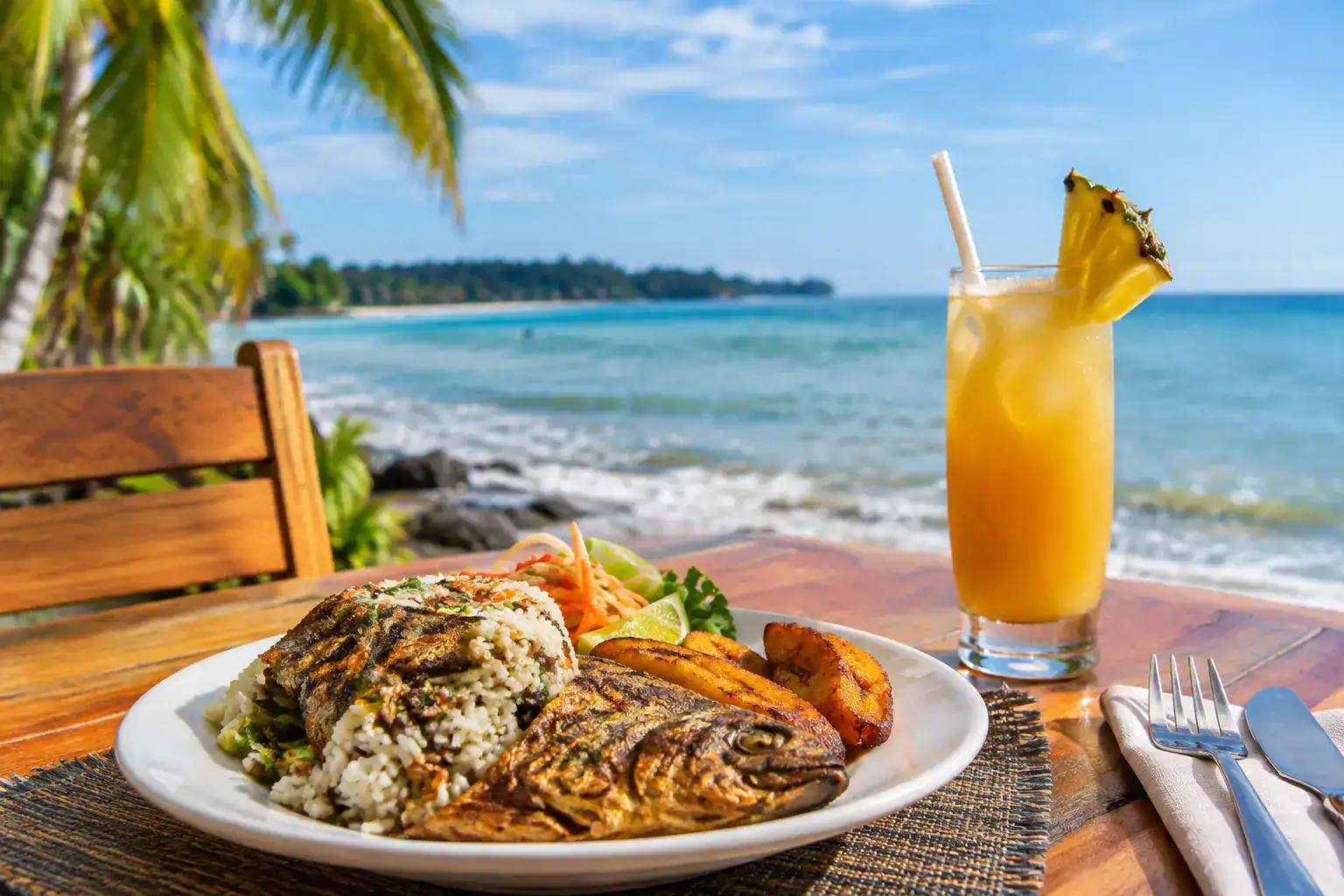
Puerto Limón rewards travelers who arrive hungry with more than a quick meal near the cruise terminal. The city’s food reflects Costa Rica’s Caribbean coast: Afro-Caribbean cooking, familiar Costa Rican staples, fresh tropical produce, and the everyday rhythms of a working port. The best Puerto Limon restaurants are not necessarily the ones with the most polished storefronts. Often, the most memorable meal is a well-prepared local plate served at the time local residents are eating it.
For visitors with only a few hours ashore, choosing where and what to eat takes a little context. Puerto Limón is a city, while Limón Province stretches far south to Cahuita and Puerto Viejo. A restaurant guide for the province can be useful for a longer road trip, but it does not always help someone looking for lunch close to the port. Start by deciding whether you want a practical city-center meal, Caribbean specialties, or a stop that fits into a broader day of sightseeing.
What to Expect From Puerto Limon Restaurants
Dining in Puerto Limón is generally informal and centered on flavor, value, and local routines rather than elaborate presentation. Small family-run eateries, known in Costa Rica as sodas, are an excellent place to look for traditional lunch plates. They commonly serve a main protein with rice, beans, salad, plantains, and a natural fruit drink. Menus may be brief, and the day’s prepared dishes can matter more than what is printed.
Caribbean influence gives the local table its own identity. Coconut, ginger, chile, thyme, plantains, cassava, and fresh seafood appear in many regional preparations. That does not mean every restaurant in town serves the same food, however. Some focus on Costa Rican home-style cooking, others offer Caribbean dishes, and a growing number cater to visitors looking for coffee, pastries, pizza, or international fare.
There is a worthwhile trade-off in choosing between a busy soda and a more visitor-oriented restaurant. A soda may offer the clearest sense of daily local cooking and a faster lunch, but English-language menus and card payment are less certain. A larger restaurant may be easier for groups or travelers with specific dietary needs, though its menu can be less rooted in the region. Neither choice is automatically better. It depends on the time you have, your comfort with Spanish, and what you hope to taste.
Caribbean Dishes to Look For
When a menu offers Caribbean Costa Rican food, ask what is available that day rather than assuming every specialty is always prepared. Seafood availability, weather, and the cook’s schedule can all shape the selection. These are some dishes and flavors worth recognizing:
- Rice and beans is a Caribbean-style preparation of rice and beans cooked with coconut milk and seasonings. It is distinct from gallo pinto, the bean-and-rice staple found throughout Costa Rica.
- Rondón is a Caribbean fish and coconut stew that may include root vegetables and plantain. Recipes vary from kitchen to kitchen, and it is not an everyday offering everywhere.
- Patí is a savory hand pie associated with Afro-Caribbean food culture, often filled with seasoned meat and sometimes noticeably spicy.
- Plantains and root vegetables may arrive fried, mashed, boiled, or as part of a stew. They are more than a side dish and can be a satisfying choice for vegetarians when paired with beans and salad.
If you enjoy heat, ask whether a dish is spicy before ordering and request hot sauce separately if you prefer to control it. Caribbean seasoning is flavorful but should not be confused with extreme heat. Travelers with allergies should explain them clearly and directly, especially when coconut, shellfish, dairy, or peanut ingredients are a concern.
Where to Eat in Puerto Limón City
For a short visit, downtown is the most practical starting point. The central area around the market, commercial streets, and waterfront has the greatest concentration of casual daytime food options. It is especially useful for cruise passengers who want to stay close to the port and independent travelers arriving by bus or car.
Lunch is often the most reliable time to find a full local menu. Restaurants that serve office workers, shoppers, and families may be busiest from late morning through early afternoon, then operate with a smaller selection later in the day. If a particular place is important to your plans, confirm its hours locally rather than relying on an old online listing. Schedules can change for holidays, weather, staffing, and private events.
The waterfront makes sense for a coffee, snack, or relaxed break, but do not choose solely based on the view. Check the menu first, particularly if you are seeking regional cooking rather than standard fast food. Near the port, allow time to return through security procedures before boarding a cruise ship. A meal that feels close on a map can take longer than expected when traffic, rain, or pedestrian crossings slow the route.
Travelers spending several nights in the area can widen their search beyond central Puerto Limón. The dining scenes in Cahuita and Puerto Viejo de Talamanca are different in character, with more beach-town restaurants and a broader range of international options. They are separate destinations, not quick detours for most cruise-day schedules. Plan them as part of a longer Caribbean coast itinerary rather than treating them as extensions of a meal in Limón city.
How to Choose a Good Place on the Day
A few simple observations are more useful than chasing a fixed ranking. Look for a menu that is clear about the day’s dishes, a dining area that appears well cared for, and a steady flow of customers at regular meal times. A restaurant that is busy with local diners is not a guarantee, but it is usually a positive sign that the food is fresh and the pace is dependable.
Ask a direct question in Spanish if you can: “¿Qué recomienda hoy?” means “What do you recommend today?” For Caribbean food, “¿Tiene rice and beans?” is widely understood, though pronunciation and menu wording vary. Staff may also be able to tell you whether a fish dish is grilled, fried, or prepared in sauce – useful details for families and travelers with dietary preferences.
Payment is another practical consideration. Carry Costa Rican colones for small purchases and tips, even if you expect to use a card. Some businesses accept U.S. dollars, particularly in visitor areas, but the exchange rate and change given can vary. It is best to confirm card acceptance before ordering rather than after a meal.
For a quiet table, visit before the main lunch rush. For the liveliest atmosphere and the broadest choice of cooked dishes, go when locals are eating. Families may find it easiest to share a few familiar sides alongside one regional dish, especially when traveling with children who are still adjusting to new flavors.
Dining Responsibly on the Caribbean Coast
Eating at independently owned businesses is one of the most direct ways to support Puerto Limón’s local economy. Treat staff, cooks, and neighboring vendors with the same patience you would hope for when visiting a community that is not built solely around tourism. A few words of Spanish, a respectful question about a dish, and realistic expectations about service during busy periods go a long way.
Puerto Limón’s food traditions are tied to the history and cultural contributions of Afro-Caribbean communities on Costa Rica’s coast. Enjoying that cuisine is richer when approached with curiosity rather than as a novelty. Ask about ingredients, learn the difference between local rice and beans and mainland-style bean dishes, and give the kitchen time to prepare food properly.
Are restaurants near the Puerto Limón cruise port walkable?
Some dining options in central Puerto Limón are reachable on foot from the port area, but walking time depends on your berth, port procedures, weather, and the exact restaurant location. Keep your return time conservative and ask locally about the safest current route.
Is Puerto Limón a good place for vegetarian food?
It can be, particularly at sodas that serve rice, beans, salads, plantains, vegetables, and fruit. Vegan choices may require more explanation because sauces, rice, and sides can include dairy, egg, or meat-based seasonings. State your needs before the meal is prepared.
Should travelers reserve a table?
Reservations are rarely necessary for a casual daytime meal, but they can be sensible for larger groups, holiday periods, or a planned dinner. Calling ahead is also the best way to check current hours and whether a specific Caribbean specialty is being served.
A good meal in Puerto Limón does not need to be rushed or overplanned. Leave room in your day to follow a local recommendation, order the dish that is freshest that afternoon, and let the city’s Caribbean character set the pace.