 Puerto-Limón.com
+ List Your Business

Understanding Puerto Limón—Through Its People, History, and Caribbean Culture
Discover Afro-Caribbean culture, railroad and port history, architecture, music, language, and cuisine—all presented in a respectful and accessible way, right where it all happens.
Discover Culture →informed The Most Important Things to Know About Culture
Why Limón Is Culturally Different
Puerto Limón is shaped by several cultural influences. Indigenous history, Afro-Caribbean influences, European and Chinese immigration, and the development of the port, the railroad, and the banana industry have given rise to a distinct regional identity.
This history isn’t confined to museums. It lives on in language, music, cuisine, architecture, family histories, neighborhoods, and public spaces.
Six Aspects of Limón’s Culture
The region’s culture cannot be reduced to a single building or festival. These topics will help you better understand Limón.
Identity
Afro-Caribbean heritage
From railroads and migration to language, religion, and family history.
Learn More
Afro-Caribbean heritage
From railroads and migration to language, religion, and family history.
Learn MoreConstruction of the Atlantic Railway began in 1871. Starting in 1872, numerous workers arrived from Jamaica and other parts of the Caribbean. They brought with them not only labor but also their language, religious communities, culinary traditions, music, crafts, and family networks.
Why this is still important today
Many families in Limón pass down stories about migration, railroad construction, dock work, the banana industry, and self-organization. This history lives on in churches, clubs, music, cuisine, storytelling, and the Limón Kryol language.
Marcus Garvey and Liberty Hall
Jamaican activist Marcus Garvey worked in Costa Rica for a time. Liberty Hall, built in 1922, became an important social and cultural center for the Afro-Caribbean community. The building was destroyed by fire in 2016.
Religion and Community
Baptist, Anglican, Methodist, and Adventist congregations were more than just places of worship. They provided education, social support, and a sense of community. In short, the church often served as a news hub, a social club, and a neighborhood support network all in one.
Good to Know
“Afro-Caribbean” isn’t just a tourist gimmick. It’s about a living identity, historical experiences, and unique perspectives. It’s good to ask questions. But it’s best not to treat people as photo subjects without asking them first.
 Cityscape
Architecture and the Port City
How the railroad, commerce, and the tropical climate shaped the cityscape.
Learn More
Architecture and the Port City
How the railroad, commerce, and the tropical climate shaped the cityscape.
Learn MoreThe city developed in the late 19th century as a planned port and commercial center. Wide streets, regular blocks of houses, and stately buildings were intended to combine functionality, commerce, and modern urban life.
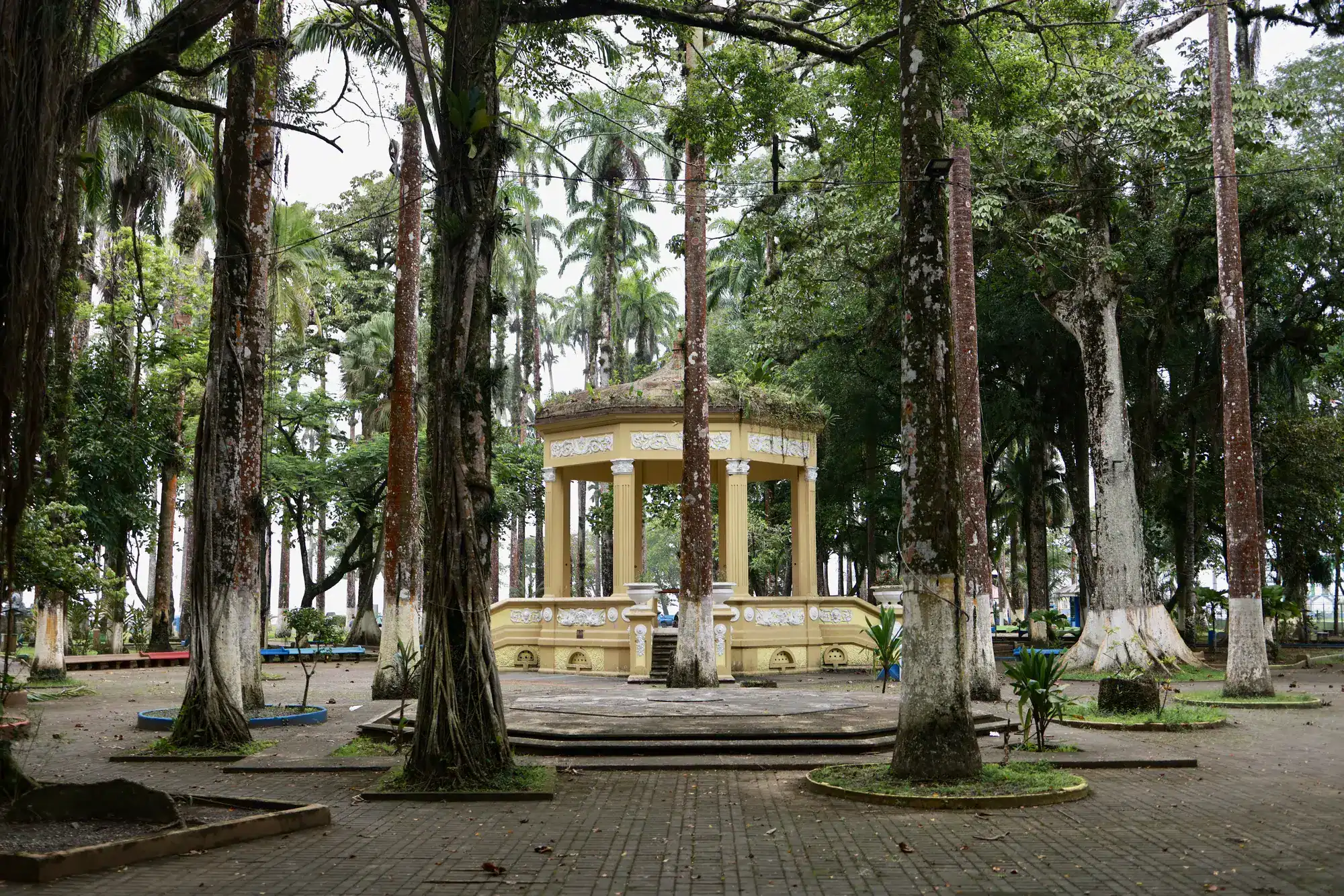
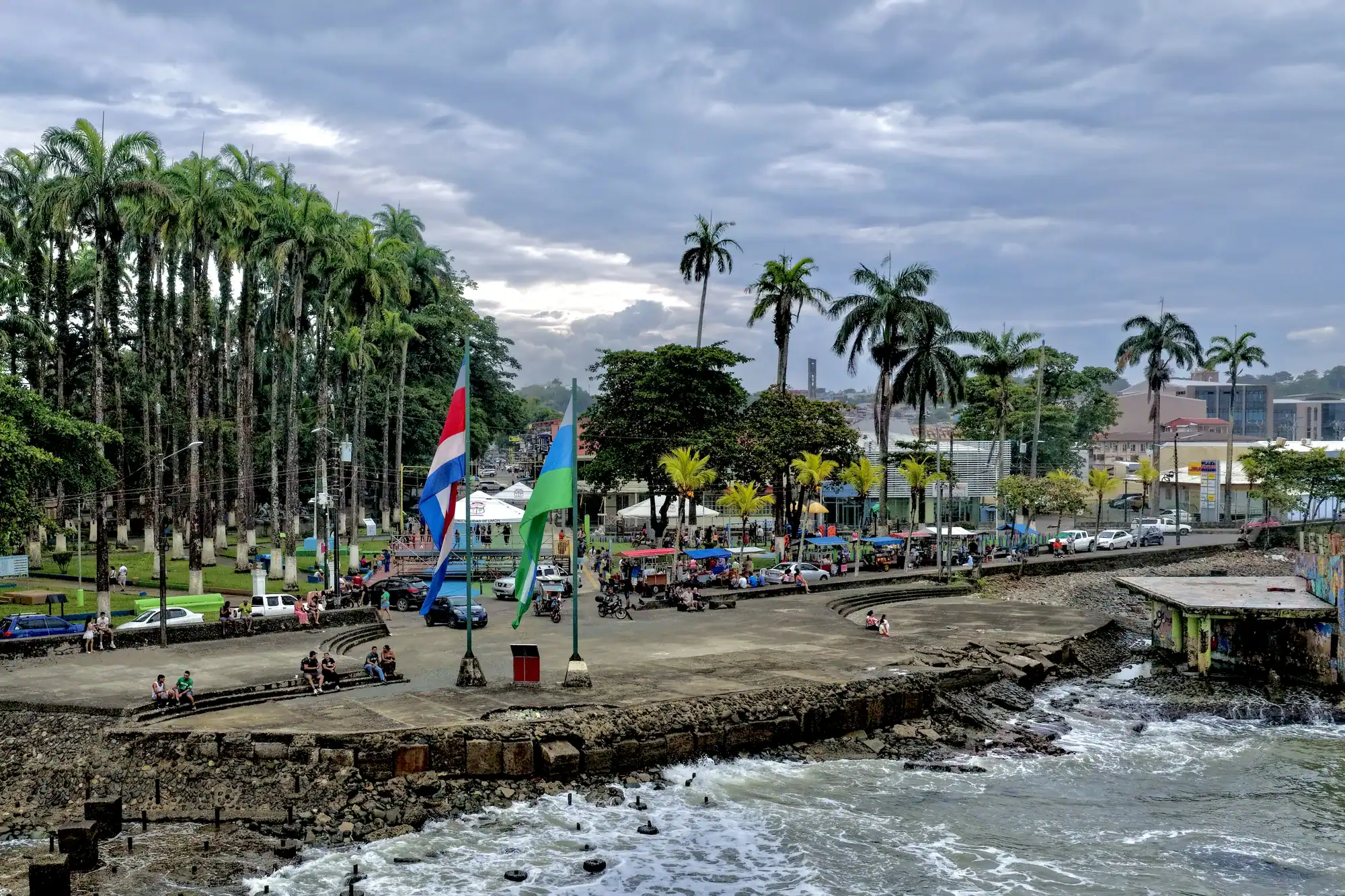
Vargas Park
Construction of the park began in 1895 under Governor Balvanero Vargas. Plants were brought in from Cuba, Jamaica, and Australia, among other places. A French gardener from Martinique oversaw the grounds. The current concrete pavilion replaced an older metal kiosk in 1911.
Caribbean-Victorian style
Large roof overhangs, verandas, high ceilings, ventilation, and shaded walkways were not only beautiful but also practical. In a tropical climate, architecture is considered good when you don’t feel like you’re standing in an oven the moment you walk in.
Port Authority
The plans date back to 1930 and were drawn up by the United Fruit Businesses. The building was designated a historic landmark in 1995 and restored in 2014.
Post and Telegraph
The historic post office building features Caribbean-Victorian influences and iron ornamentation. Over the years, it has served not only as a post office but also as a courthouse, police station, university, and museum.
 Taste
Caribbean Cuisine
Coconut milk, spices, and family recipes—a slice of history on your plate.
Learn More
Caribbean Cuisine
Coconut milk, spices, and family recipes—a slice of history on your plate.
Learn MoreIt blends Afro-Caribbean, indigenous, European, and Asian influences. Many dishes were created using locally available ingredients, family recipes, and the exchange of ideas between the coast, plantations, the harbor, and villages.
Rice and Beans
Don’t confuse this with the classic Costa Rican gallo pinto. Rice and beans are typically cooked with coconut milk and spices. The aroma usually gives it away even before the first bite—there’s more than just rice and beans in the pot.
Rondón
A hearty stew made with coconut milk, root vegetables, plantains, and often fish or seafood. The name is often derived from the English phrase “run down”: it’s made with whatever ingredients are available at the time.
More Classics
Patí, Plantintá, Pan Bon, Johnny Cakes, coconut bread, and spicy fish dishes are among the well-known specialties. Some recipes are family secrets. You can ask about them—but don’t expect them to be fully revealed.
Food as Cultural Heritage
Traditional cooking preserves knowledge about plants, spices, fishing, agriculture, and community. Here, good food is not merely sustenance, but a form of remembrance.
 Sound
Calypso, Music, and Dance
Music as a newspaper, commentary, history book, and dance floor.
Learn More
Calypso, Music, and Dance
Music as a newspaper, commentary, history book, and dance floor.
Learn MoreThe tradition made its way to the Costa Rican Caribbean coast via Trinidad, Tobago, and Jamaica, where it developed its own regional form.
More Than Just Dance Music
The lyrics deal with everyday life, love, politics, medicine, food, nature, rumors, and social issues. A good calypso can entertain, inform, and poke fun at someone in a friendly yet very direct way—all at the same time.
Walter Ferguson
Born in Guabito in 1919 and a longtime resident of Cahuita, the musician is considered one of the most important voices of Limonese calypso. His songs have brought local stories to the attention of audiences far beyond the region.
Cultural Recognition
In 2012, Calypso limonense was recognized as an important form of expression of Costa Rica’s intangible cultural heritage of Afro-descendant communities.
Music Today
In addition to calypso, reggae, gospel, soca, salsa, and modern urban music shape the region. Culture stays alive because it changes—not because it’s kept under a glass dome.
 Community
Festivals and Public Spaces
Carnival, Culture Month, and impromptu events bring the city and its people together.
Learn More
Festivals and Public Spaces
Carnival, Culture Month, and impromptu events bring the city and its people together.
Learn MoreParks, streets, boulevards, sports fields, and cultural centers become venues for music, markets, parades, political commemoration, and community.
Limón Carnival
Carnival has been celebrated since 1949 and traces its origins to Alfred King. Comparsas, music, dance, floats, and cuisine bring together a variety of cultural influences.
October in Limón
Carnival traditionally takes place around the second full week of October. The exact schedule changes every year—as do the parade route, stages, and road closures. Anyone who drives right into the heart of the festivities in a rental car might end up having a more authentic local experience than planned.
Afrodescendencia in August
In August, the focus is on the history and present-day life of the Afro-Costa Rican population. August 31 is the official day of remembrance and culture.
Small Events
In addition to major festivals, there are concerts, markets, school events, sports, dining, and neighborhood programs. Many of these are announced on relatively short notice.
 Everyday Life
Language and Encounter
Spanish, Limón Kryol, and common expressions—including “Pura Vida.”
Open the dictionary
Language and Encounter
Spanish, Limón Kryol, and common expressions—including “Pura Vida.”
Open the dictionaryIn Limón, you’ll encounter Spanish, Limón Kryol, and other linguistic influences. Limón Kryol is an Afro-descendant creole language and part of the province’s living cultural heritage.
Pura Vida
Literally, it means “pure life.” In fact, it can mean “Hello,” “Goodbye,” “Thank you,” “Everything’s fine,” “No problem,” “I’m fine,” or simply “joy of life.” The exact meaning is conveyed by the tone of voice.
Example: “¿Todo bien?” – “¡Pura vida!” That roughly means: Everything’s great. And no, you don’t have to be standing on a surfboard or holding a coconut to say it.
Here’s how to start off on a friendly note
“Buenos días,” “buenas tardes,” and “por favor” always work. It’s good manners to offer a brief greeting before asking a question.
Better not
Don’t just start giving orders in English, film people without asking, or call Limón Kryol “fake English.” It’s a distinct cultural form of expression.
A Compact Cultural Stroll Through Puerto Limón
The order is flexible. Accessibility, hours of operation, and construction sites are subject to change—so the walk can also serve as a way to get your bearings without any set indoor tours.
Five stops in the city center
A great starting point for visitors who want to experience the city’s history, architecture, and local atmosphere all at once.
Parque Vargas and Tajamar
The route begins by the sea, with views of the coast, the harbor, and one of the city’s most famous public spaces.
Historic Post and Telegraph Building
An iconic building with Caribbean-Victorian influences in the historic center.
Port Authority and Administrative Architecture
Buildings from Limón’s port and administrative history highlight the city’s importance as a trading center.
Municipal Market
A place for local daily life, goods, conversations, and a glimpse into the city’s economic history.
Coffee shop, meal, or local event
Don’t just end the tour with photos—end it with a taste, a conversation, or a current cultural event.
Places That Tell a Story
These buildings and public spaces represent different chapters in the city’s development. Not all of them are open for interior tours at all times.
Parque Vargas and Tajamar
A central public space on the coast that brings together the city’s history, ocean views, and a connection to the harbor.
Official Information →Post and Telegraph
The historic post office building features elements of Caribbean-Victorian architecture and is part of the city’s architectural heritage.
Watch on SiCultura →Port Authority
A historic building that showcases the administrative and port history of Puerto Limón.
Watch on SiCultura →Municipal Market
The market was built in the 20th century and continues to this day to serve as a hub for commerce, daily life, and local supply.
Watch on SiCultura →House of Culture
A cultural venue that, according to SiCultura, is primarily open for scheduled events.
Watch on SiCultura →Pasaje Cristal
A historic building from the early 20th century that contributes to the architectural diversity of the city center.
Watch on SiCultura →Terms You Might Come Across in Limón
Not a comprehensive cultural history—but a helpful introduction to key concepts and contexts.
Afro-Costa Rican and Afro-Caribbean culture
Limón Kryol
Calypso limonense
Caribbean Cuisine
Experiencing Culture with Respect
Puerto Limón is not an open-air museum. A respectful visit protects privacy, supports local businesses, and fosters genuine connections.
Your Culture Checklist
Select the items you’d like to consider during your visit.
Official Information on the Culture of Limón
These external links lead to state or local government resources with additional information.
Don’t just see Limón—understand it better
Combine your cultural walk with local cuisine or current events.
How the Landscape Has Shaped Puerto Limón
The history of the Caribbean coast is closely tied to its tropical habitats. The construction of railroads, the development of the banana trade, and the labor of many people have transformed the region. At the same time, the rainforest, rivers, and coastal ecosystems remain an essential part of its identity.
Anyone who wants to understand Puerto Limón should therefore also get to know its flora and fauna—and take the Afro-Caribbean and Indigenous perspectives on the region seriously.