
Puerto Limón Insider Tips for a Smarter Visit
Practical Puerto Limón insider tips for beaches, parks, transportation, cruise days, local food, weather, and respectful Caribbean coast travel planning.
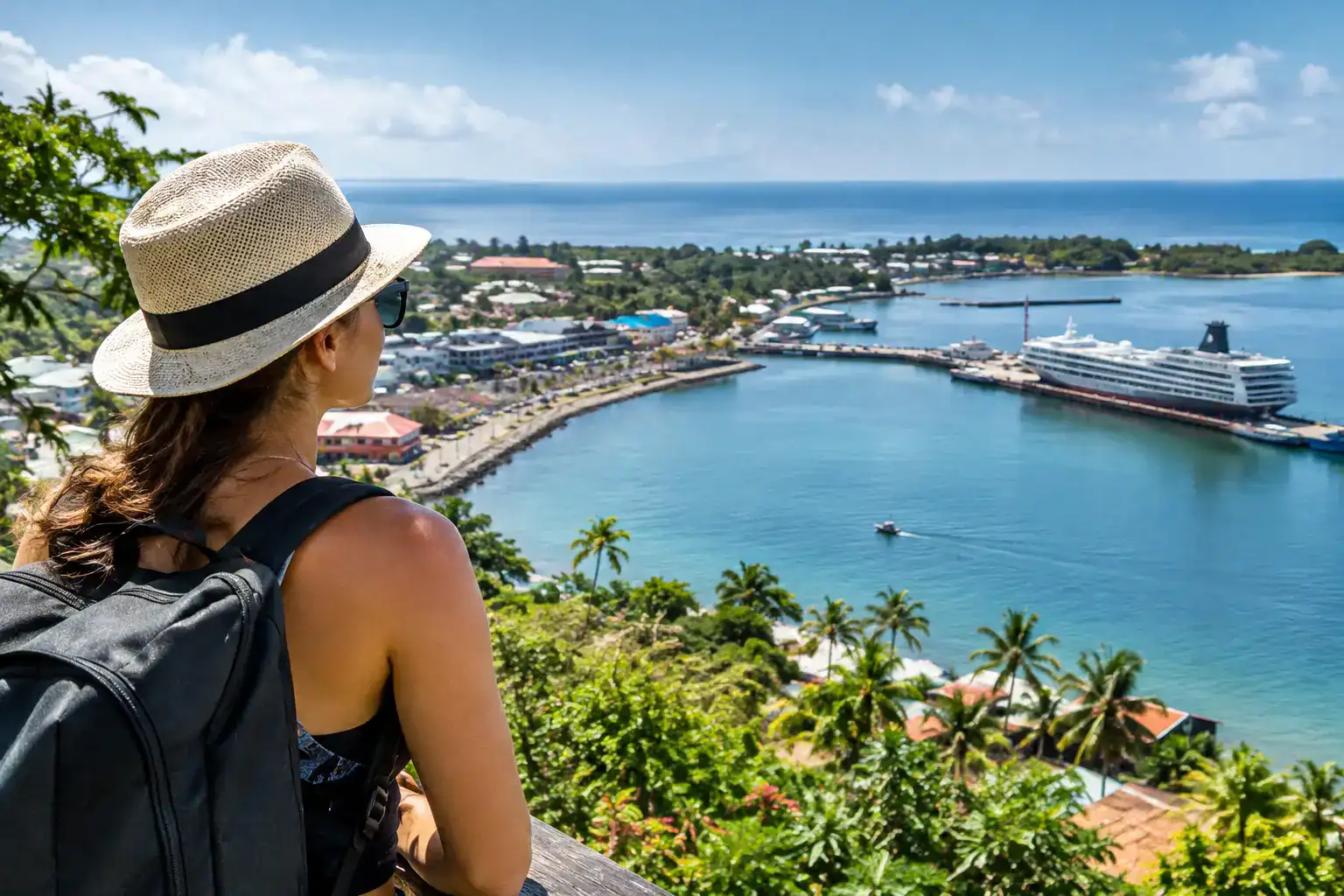
Puerto Limón rewards travelers who plan for the region rather than treating the city as a quick stop between a cruise pier and a beach. The most useful insider tips start with that distinction: Limón is a working port city, a cultural center, and a practical gateway to a remarkably varied Caribbean coastline. A better visit comes from choosing the right destination for your available time, understanding the weather, and leaving room for the slower pace that defines this side of Costa Rica.
Start by choosing the right Caribbean base
Puerto Limón is often used as a broad label for the entire province, but the travel experience changes significantly from place to place. Limón city is the logical starting point for visitors arriving by cruise ship or traveling along Route 32 from San José. It offers historic context, urban services, markets, and access to nearby coastal areas.
For a beach-focused stay, Cahuita and Puerto Viejo de Talamanca generally suit different needs. Cahuita is known for its national park, relaxed village setting, and relatively easy access to nature. Puerto Viejo has a wider choice of restaurants, accommodations, and nightlife, along with nearby beaches that each have their own character. Travelers seeking a quieter coastal setting may prefer looking beyond the main village centers.
This is one of the most valuable Puerto Limón insider tips because distances can look modest on a map while road conditions, traffic, rainfall, and stops along the way add time. A day in Limón city is not the same as a day in Cahuita, and neither should be planned as if Puerto Viejo were around the corner.
Treat weather as a planning factor, not a footnote
Costa Rica’s Caribbean coast does not follow the same dry-season pattern as the Pacific side. Rain can occur throughout the year, often in brief but intense spells, and local conditions can vary along the coast. Rather than selecting dates based on a single weather label, build flexibility into each day.
Morning plans are often a sensible choice for hiking, wildlife observation, cycling, or longer drives. Bring a light rain layer, protect phones and documents in a dry bag, and choose footwear that can handle wet paths. This is especially relevant for national parks and beach trails, where mud can make an otherwise easy walk more demanding.
Rain need not end the day. It can be a good moment for a long Caribbean-style lunch, a visit to a museum or local shop, or simply a pause before the late afternoon. The trade-off is visibility and road comfort: travelers with only a few hours ashore should avoid ambitious, multi-stop itineraries when conditions are unsettled.
Plan transportation around daylight and distance
Public buses connect many communities on the Caribbean coast and can be useful for independent travelers with flexible schedules. They are less suitable when you have a tight cruise timetable, heavy luggage, or a flight connection. Rental cars offer greater freedom, particularly for families and travelers staying outside town centers, but they also require comfort with changing road surfaces, rain, and limited parking near popular beaches.
For airport transfers, long day trips, and cruise excursions, arrange transportation with established, licensed providers and confirm the return plan before departing. Ask where you will be dropped off, whether waiting time is included, and what happens if a ship schedule or weather changes. Clear details matter more than finding the lowest initial quote.
If you are driving, avoid treating sunset as an arrival target. Rural roads can be dark, drainage can be uneven after heavy rain, and navigation apps do not always reflect local conditions. Fill the tank before heading into less developed areas, keep cash available for small purchases, and do not leave bags or valuables visible in a parked vehicle.
Cruise passengers should simplify the day
Puerto Limón cruise calls can create a false sense that the entire Caribbean coast is within easy reach. In practice, your usable time is shaped by disembarkation, traffic, the ship’s all-aboard time, and the need to return with a comfortable margin. Choose one main experience: a city and cultural orientation, a nearby nature outing, or a beach destination with reliable transport.
A private itinerary can be worthwhile for travelers who want flexibility, but it comes with responsibility. Confirm that the driver understands your ship’s schedule and establish a meeting point that is easy to find after your visit. Keep a written copy of the vessel’s departure time rather than relying on memory or a phone battery.
Read the sea before entering it
The Caribbean coast offers beautiful swimming beaches, but conditions are not identical from one beach to the next or from one hour to the next. Waves, currents, river mouths, reef areas, and seasonal changes can affect safety. A beach that appears calm in a photograph may not be suitable for inexperienced swimmers on the day you arrive.
Choose beaches with conditions appropriate to your group, especially when traveling with children. Follow local guidance and posted signs where present, stay out of the water if surf is rough or currents are apparent, and never assume that a popular beach has lifeguard coverage. Keep an eye on changing weather, since storms can alter the sea quickly.
The same care applies to snorkeling. Protected areas may have specific rules, access points, and conditions intended to safeguard coral and marine life. Do not touch reef formations, stand on coral, or feed fish. A responsible outing is not only safer; it helps protect the ecosystems people have come to see.
Look for wildlife patiently and respectfully
The Caribbean coast is rich in birdlife, monkeys, sloths, frogs, insects, and coastal habitats, but wildlife is not a guaranteed attraction on demand. The best sightings usually come from moving slowly, keeping voices low, and spending time in appropriate habitat rather than rushing from viewpoint to viewpoint.
Bring binoculars if wildlife is a priority. They improve the experience while allowing you to maintain distance. A phone zoom is useful for a record, but it should never become a reason to approach an animal, block its path, or gather around it with other visitors.
Do not feed wildlife, even when an animal seems accustomed to people. Feeding changes behavior, can create conflict, and may expose animals to unsuitable food. Choose guides who explain the habitat, keep groups manageable, and do not promise specific sightings. Ethical guiding is often less dramatic than social-media wildlife content, but it is far more respectful of the place.
Eat with curiosity, and ask practical questions
Limón’s food culture reflects Afro-Caribbean heritage, Costa Rican traditions, and ingredients shaped by the coast. Rice and beans prepared with coconut milk, patacones, fresh fruit, seafood dishes, and Caribbean seasonings are part of the regional culinary landscape. Recipes and spice levels vary by kitchen, so ask staff for recommendations and mention dietary needs clearly.
Small local restaurants can be among the most memorable places to eat, particularly when they are busy with residents. Still, travelers should use the same practical judgment they would anywhere else: choose places with good food handling, ask about preparation when you have allergies, and carry cash because payment options vary.
Tipping is appreciated for good service, but do not assume every charge works the same way. Review the bill, as taxes and service charges may already be included. Respectful curiosity goes a long way. Ask before photographing food stalls, people, or private property, and remember that communities are not backdrops for a vacation photo.
Let local culture shape the pace of your visit
Limón’s identity cannot be reduced to beaches and wildlife. The province has a deep Afro-Caribbean history, Indigenous communities in the wider region, a major port, and long-standing cultural traditions expressed through language, music, food, and everyday life. Visitors gain more by approaching these layers with attention than by searching for a packaged version of “local culture.”
Learn a few basic Spanish phrases, even though English and Creole-influenced speech may be heard in some communities. Greet people before asking for help. Be patient when service takes longer than expected, and support locally owned businesses where possible. These choices help distribute visitor spending while making travel feel more connected and less extractive.
Photography deserves special care at religious events, community gatherings, schools, and markets. Ask first, accept no graciously, and avoid photographing children without clear permission from a parent or guardian.
Pack for the coast you will actually experience
A thoughtful packing list is more useful than a large suitcase. Sun protection, insect repellent, a reusable water bottle, a rain layer, quick-drying clothes, and secure walking shoes cover most situations. Add a small first-aid kit, any necessary medication, and a waterproof pouch for passports and electronics.
For beaches and towns, keep clothing practical and modest when away from the sand. Swimwear belongs at the beach or pool, not automatically in shops and restaurants. If you plan to visit a national park, bring out all waste you bring in and avoid single-use plastics when practical.
The best Caribbean coast itineraries leave space for adjustment. Watch the weather, ask locally about road and sea conditions, and choose fewer places with more time in each. That approach turns Puerto Limón from a point on an itinerary into a region you can begin to understand.