 Puerto-Limón.com+ Add a business
Plants of Costa Rica’s Caribbean Coast
Helikonias, orchids, bromeliads, cacao, and mangroves: Discover the tropical flora around Puerto Limón and learn why it’s important for animals, people, and entire ecosystems.
Discover PlantsMore Than Just a Green Backdrop
In the warm, humid climate of the Caribbean coast, trees, vines, epiphytes, and flowering plants grow in multiple layers. They provide food, shelter, and habitats for birds, insects, amphibians, and mammals.
Those who understand plants often have a better understanding of where animals live and why certain habitats are particularly worthy of protection.
Typical Plants and Habitats
Twelve glimpses into the plant life of Costa Rica’s Caribbean coast. The images show either the plant mentioned or a appropriately labeled habitat.
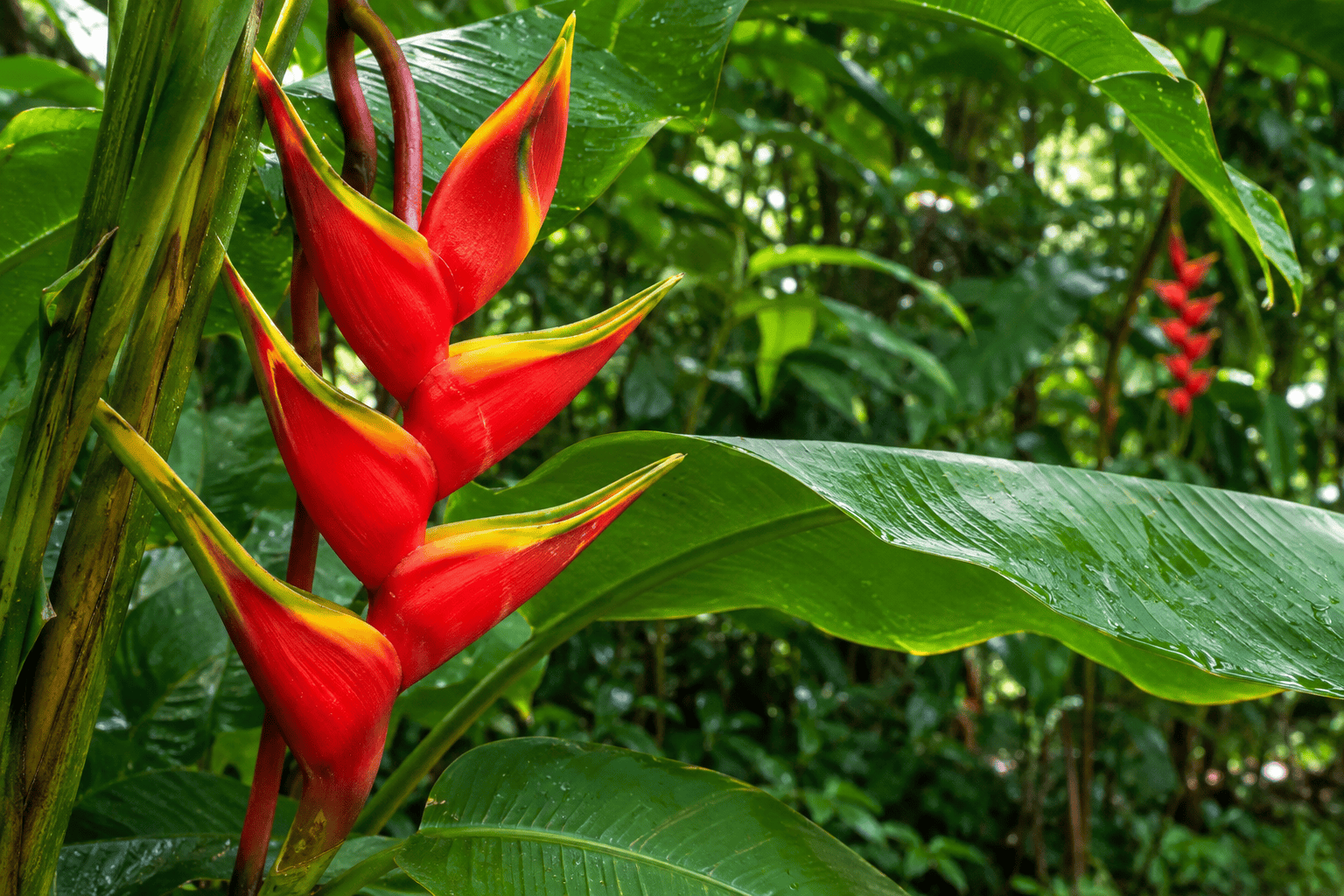
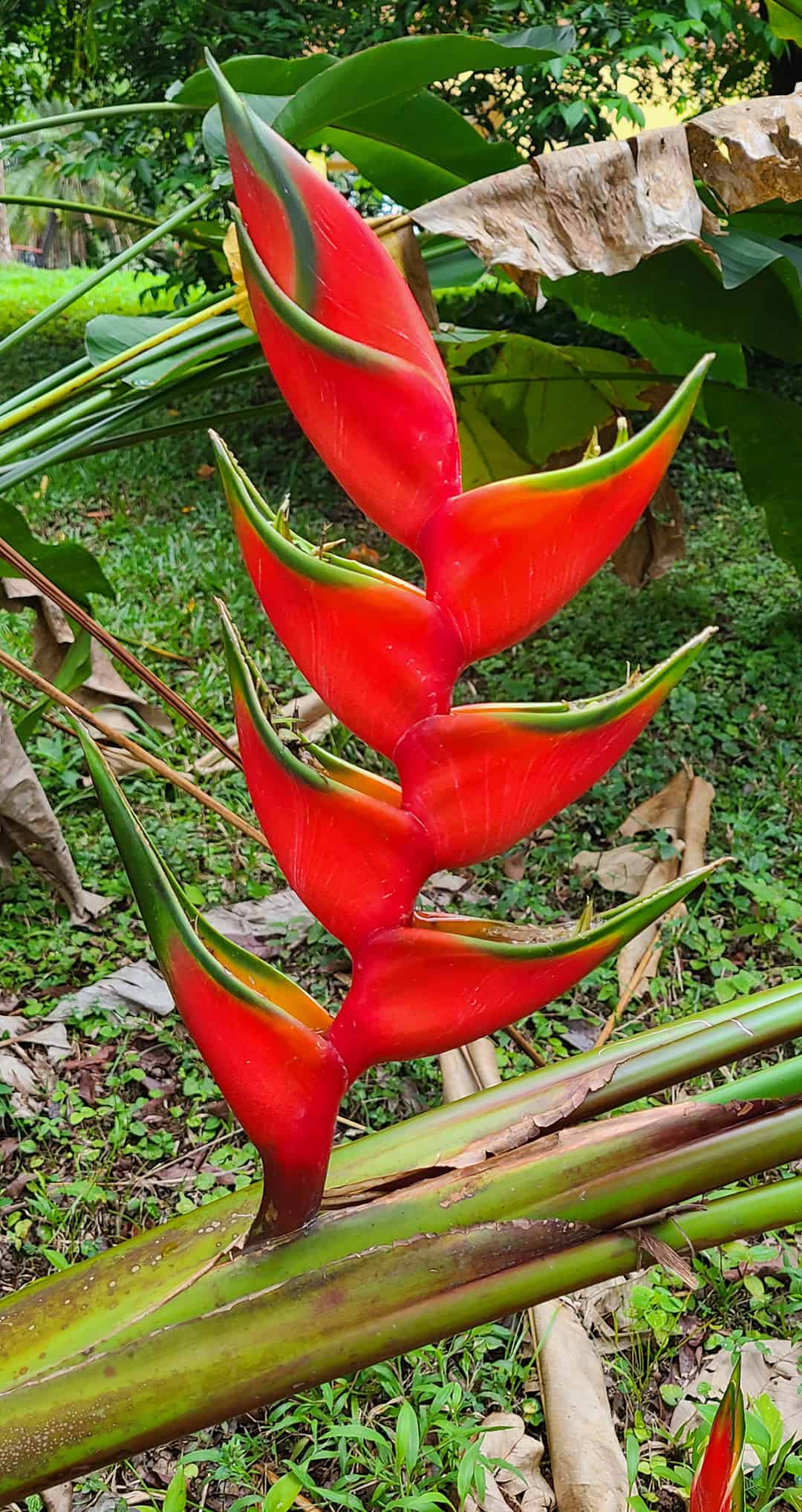
Helikonias
EXPLORE PLANT
Helikonias
The elongated, often curved bracts guide particular hummingbirds toward the flowers. As birds feed, they contact the reproductive parts and transfer pollen.
Many heliconias spread through underground rhizomes. New shoots can emerge quickly after disturbance.
The showy coloured structures are usually bracts. The smaller true flowers sit sheltered between them.
Hummingbirds visit the striking flower clusters of many heliconias. You can find them in moist gardens, at forest edges, and in suitable rainforest habitats.
Orchids & Bromeliads
EXPLORE PLANT
Orchids & Bromeliads
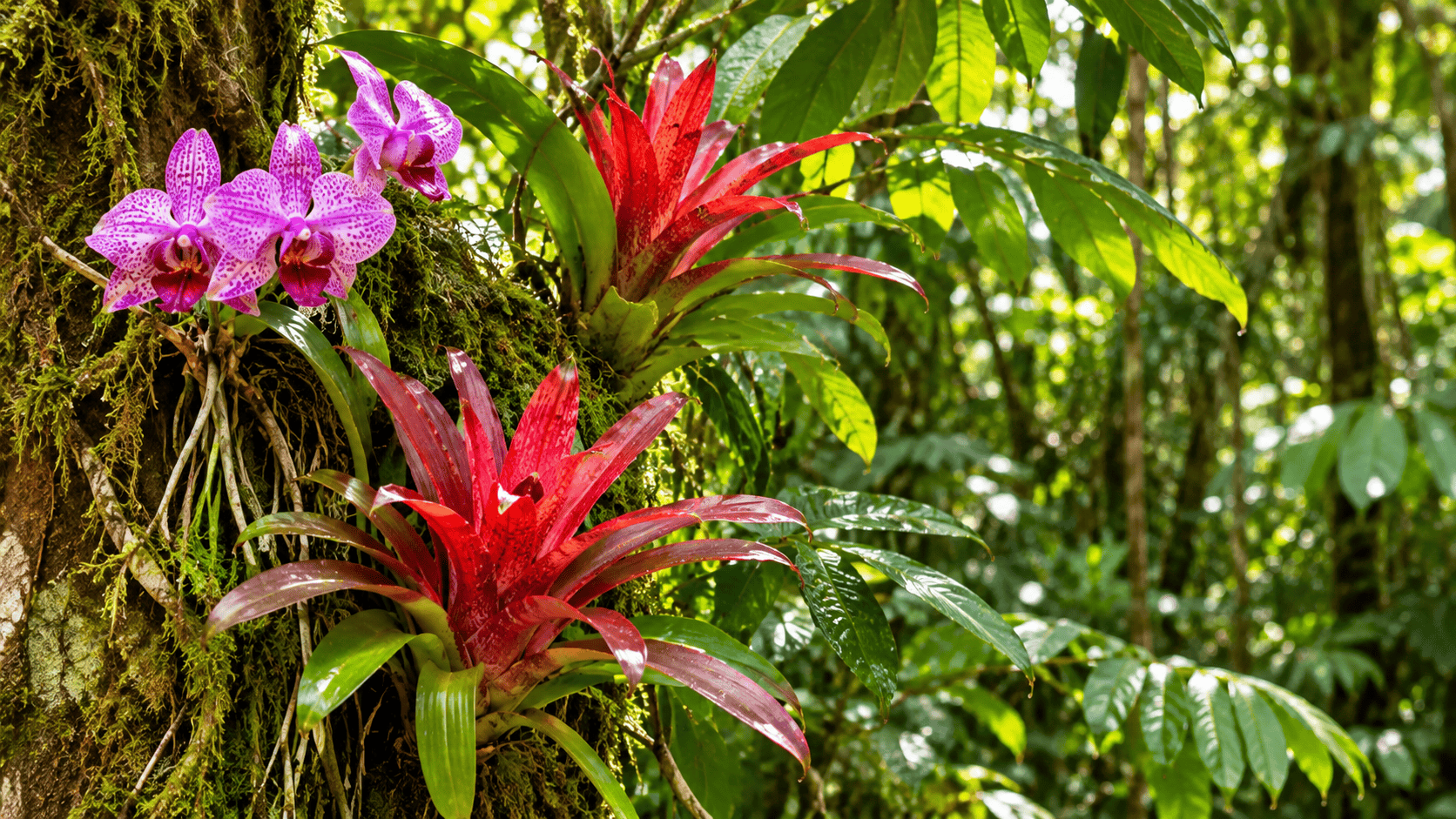
Epiphytic orchids and bromeliads perch on trees without taking food from their hosts. Rain, air and trapped debris supply water and nutrients.
Tank bromeliads collect rain between their leaves, providing habitat for insect larvae and sometimes tadpoles.
Some orchids attract very specific insects through scent or flower shape. Losing those pollinators can disrupt reproduction.
Many species grow as epiphytes on tree branches. Some bromeliads collect rainwater between their leaves—creating a small habitat for insects and other animals.
Cocoa
EXPLORE PLANT
Cocoa
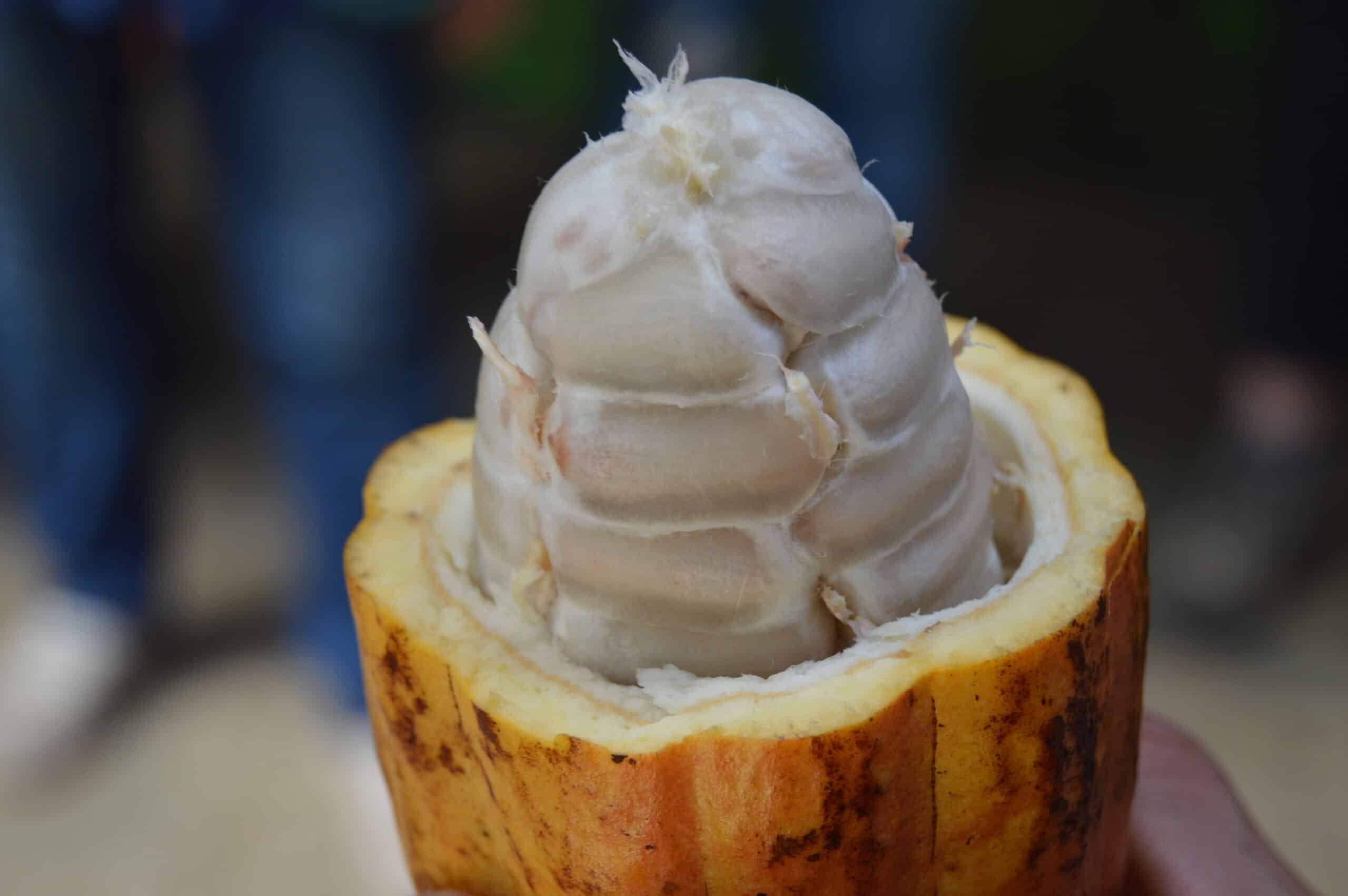
Cacao bears flowers and fruits directly on its trunk and older branches, a trait known as cauliflory.
Tiny biting midges can pollinate cacao flowers. Only a small proportion of blossoms become pods.
Seeds are fermented with their sweet pulp and then dried. These stages create important flavour precursors.
Cacao grows on small trees in humid tropical climates. The seeds are the basis for chocolate; its cultivation bridges nature and cultural history.
Bananas & Plantains
EXPLORE PLANT
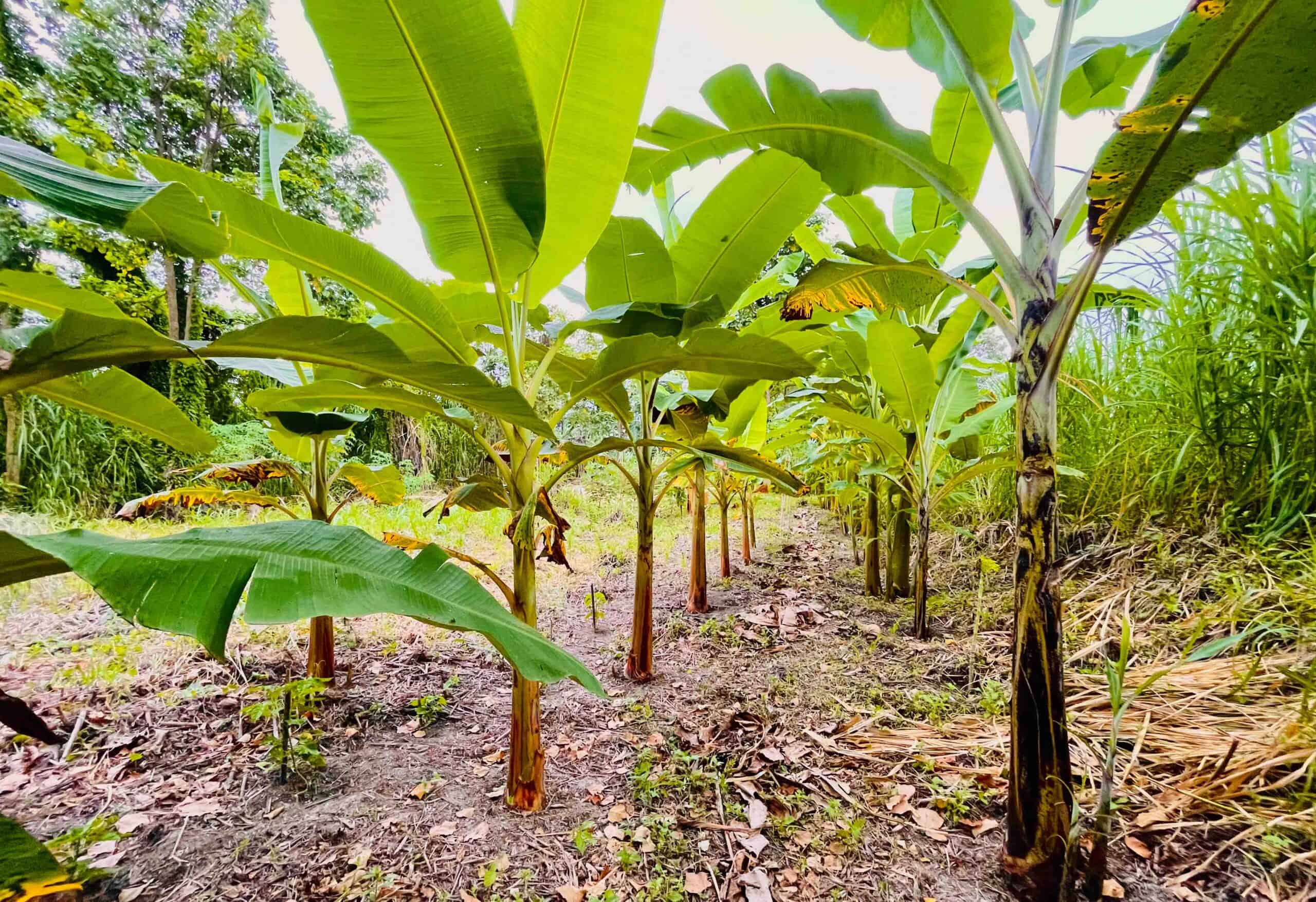
Bananas & Plantains
A banana’s apparent trunk consists of tightly packed leaf sheaths. The fruiting shoot dies back, while new shoots arise from the underground rhizome.
Many cultivated bananas develop edible fruits without fertilisation and are propagated from suckers.
Genetically similar plantations can be especially vulnerable to fungal diseases. More diverse systems may reduce some ecological risks.
Bananas are large herbaceous plants, not trees. The sweet fruits and starchy plantains play an important role in cooking and agriculture.
Mangroves
EXPLORE PLANT
Mangroves
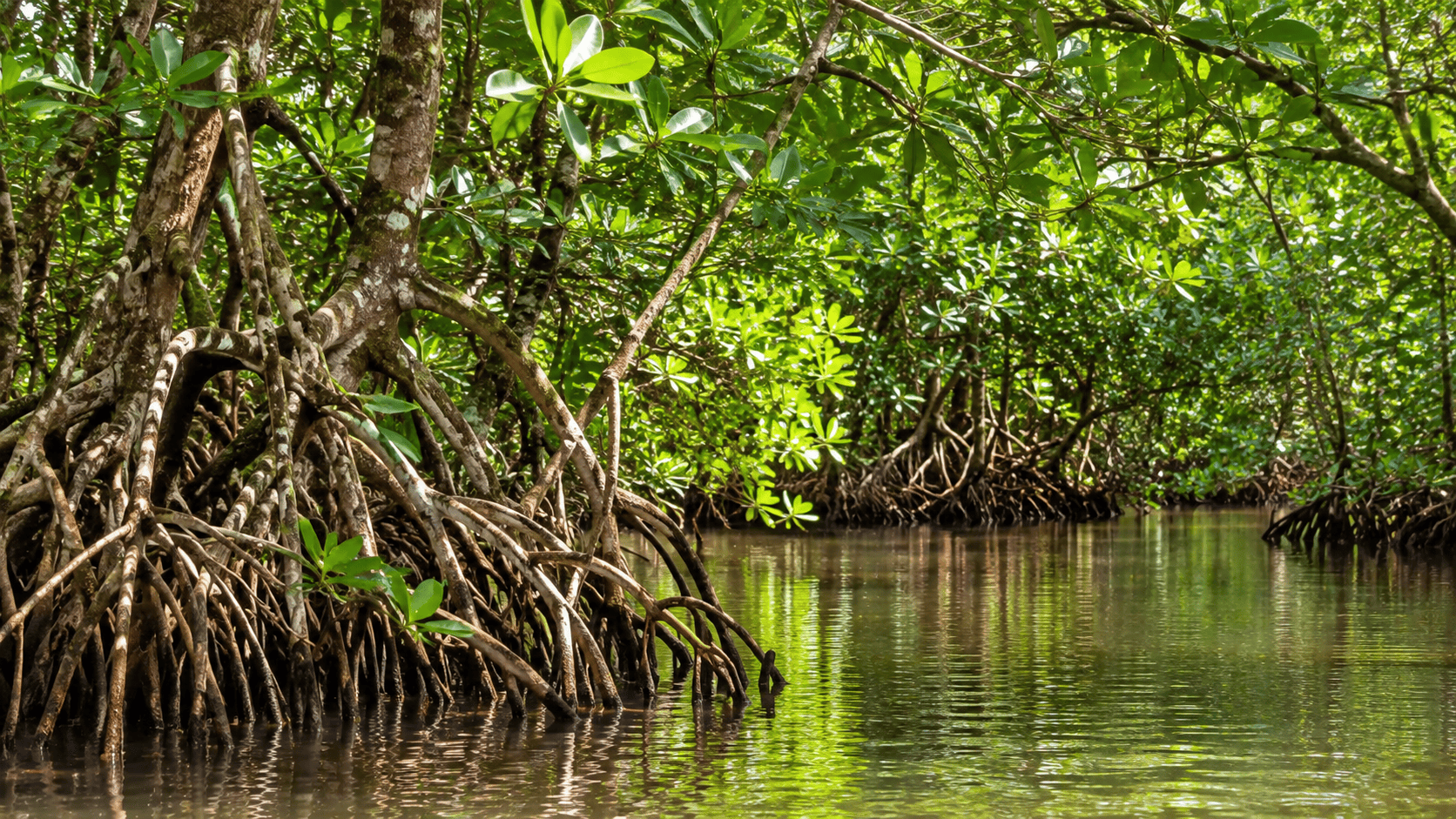
Mangroves inhabit waterlogged ground. Depending on the species, aerial roots and other structures help supply oxygen.
Some species exclude salt at their roots, while others release it through leaves. Their adaptations vary.
Complex roots shelter juvenile fish and crustaceans, trap sediment and can reduce wave energy.
Red, black, and white mangroves are adapted to salty coastal and brackish water habitats. They stabilize shorelines and provide a refuge for fish and birds.
Coconut palms
EXPLORE PLANT
Coconut palms
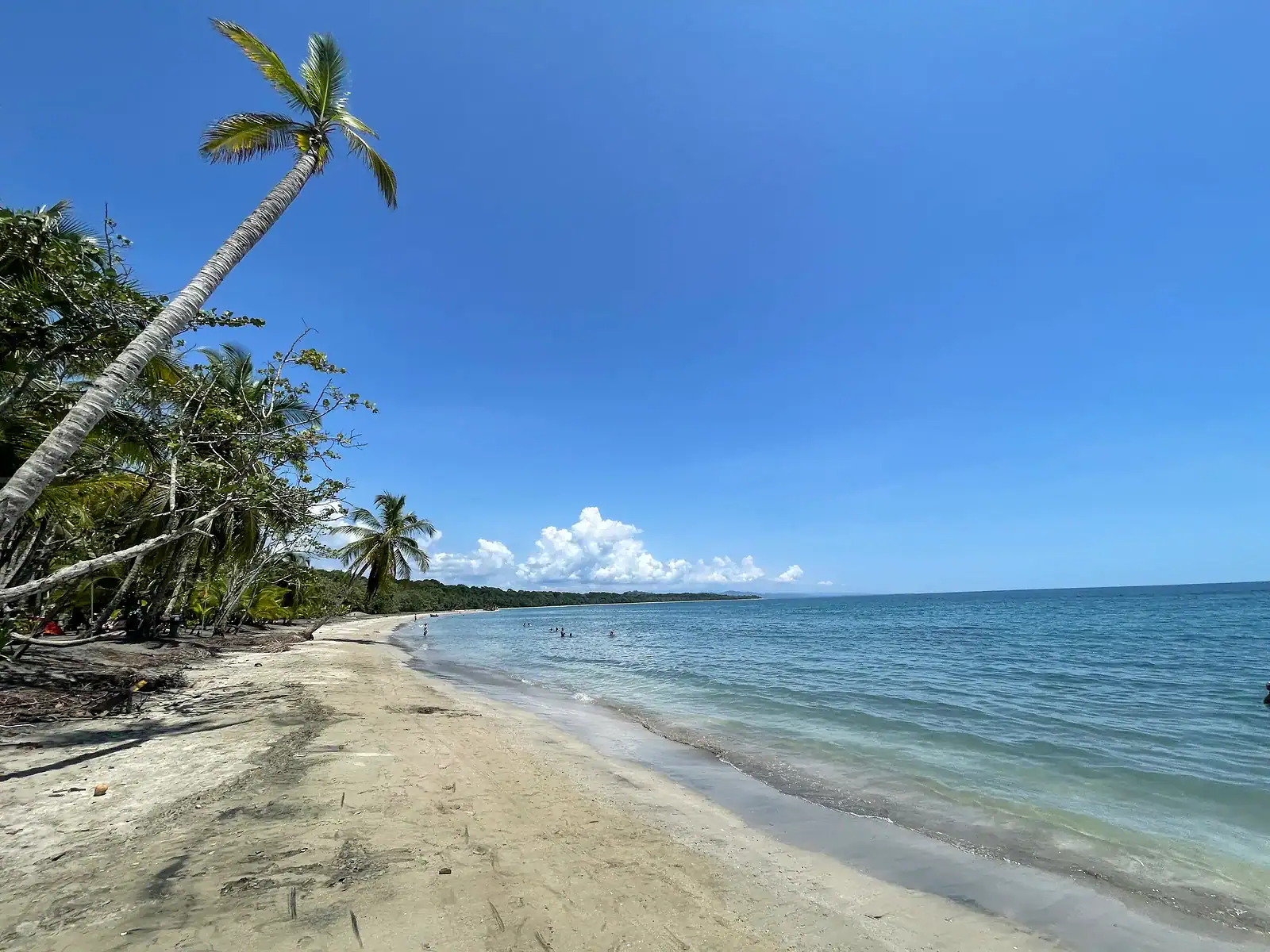
The fibrous coconut husk helps the fruit float, allowing ocean currents to carry it to distant shores.
Coconut water is liquid endosperm; the white flesh is solid endosperm. Both change as the fruit matures.
Coconut palms tolerate sea spray, but a palm-lined beach does not replace natural mangrove or coastal-forest habitat.
Coconut palms are a common sight along many stretches of beach. Their fruits provide coconut water and flesh; however, not every coastal palm belongs to the same species.
Ferns & Lianas
EXPLORE PLANT
Ferns & Lianas
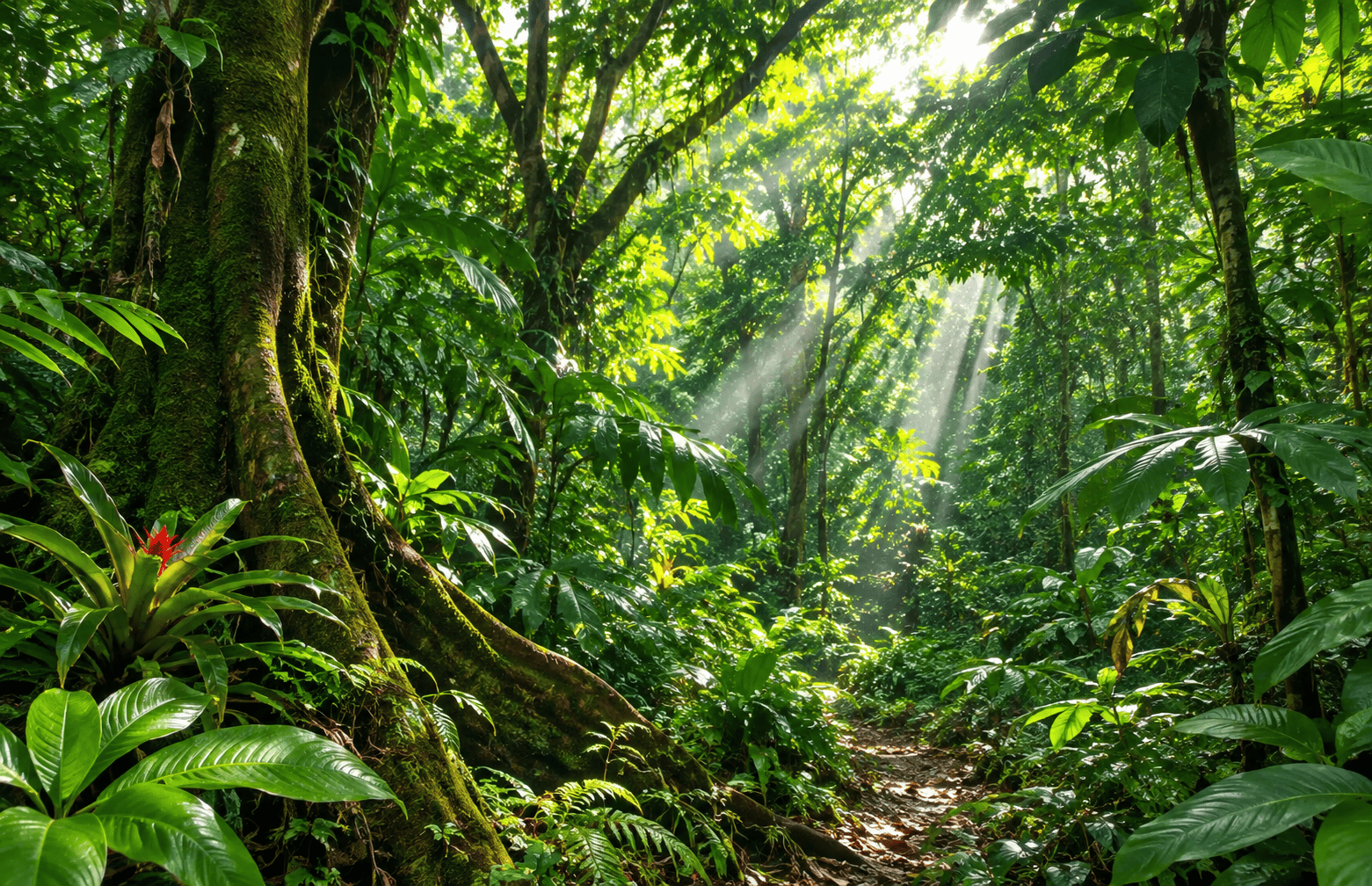
Ferns reproduce using spores, often found in clusters beneath their fronds. Moisture is important in their life cycle.
Lianas use trees for support rather than investing heavily in their own trunks, reaching brighter canopy layers.
Lianas can connect tree crowns for wildlife, but heavy growth may also compete with trees for resources.
Ferns thrive in damp, shady areas. Lianas use other plants as support to climb up and reach the light in the dense forest.
Tropical Forest Trees
EXPLORE PLANT
Tropical Forest Trees
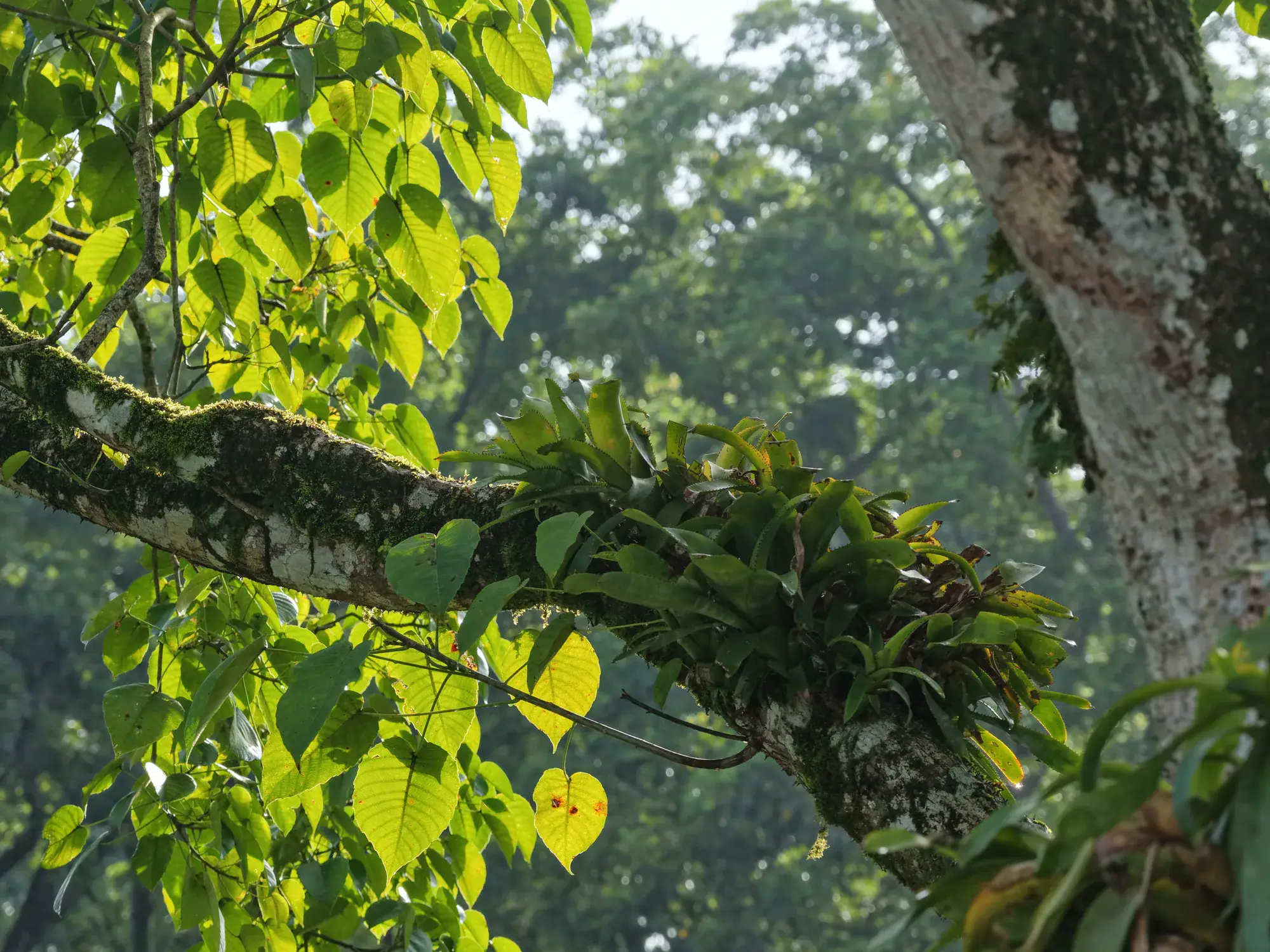
Tall trees shape the light, wind and humidity below them, creating habitats from the forest floor to the canopy.
Some tropical trees develop broad buttress roots that help stabilise tall trunks in shallow soils.
Birds and mammals disperse many tree seeds. Losing these animals can alter how forests regenerate.
The canopies of large trees form a network of habitats for birds, monkeys, and sloths. Tree species found in the region include the ceiba and various types of fig trees.
Coastal Plants
EXPLORE PLANT
Coastal Plants
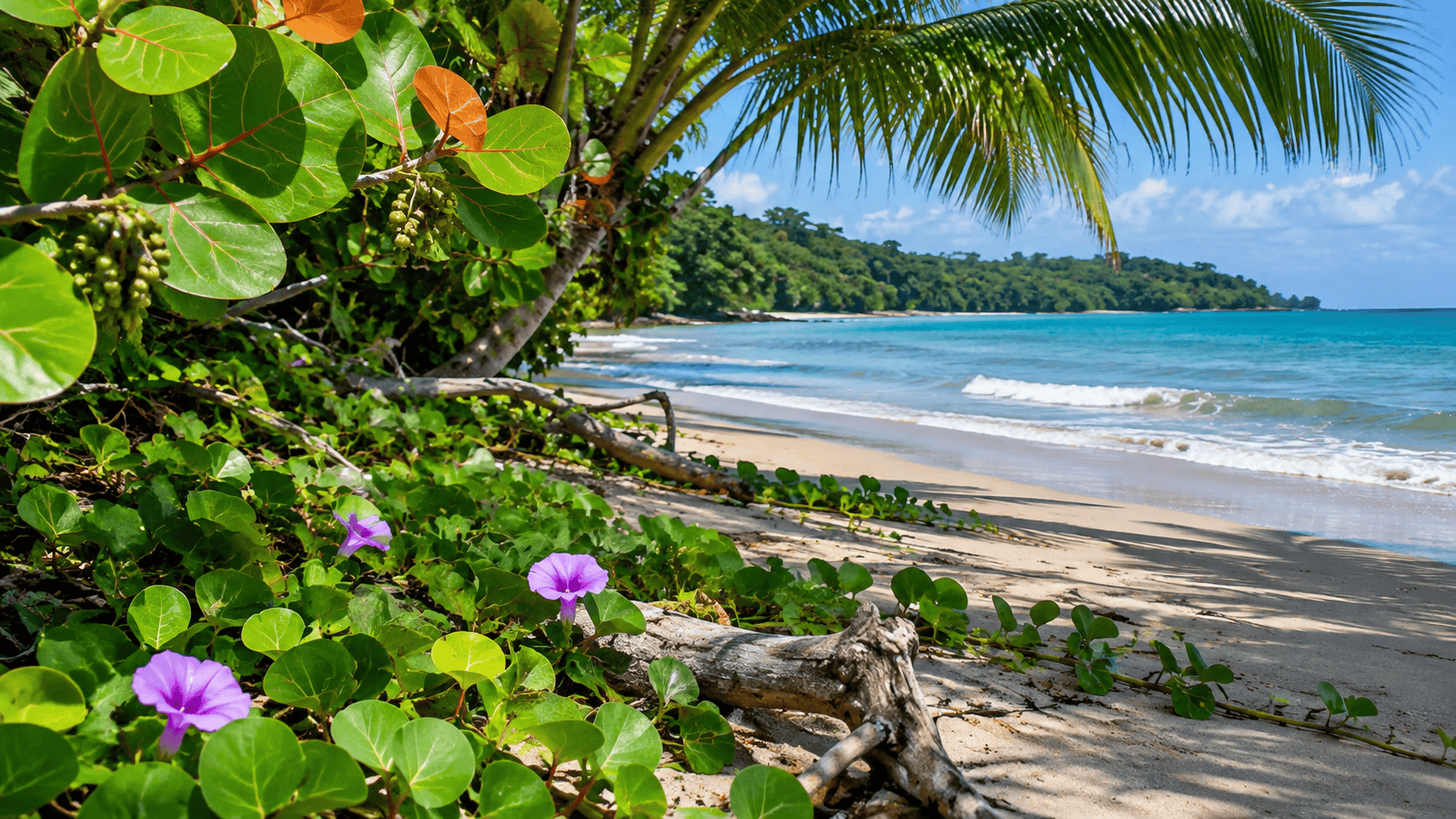
Beach vines and other low-growing coastal plants anchor loose sand with their stems and roots.
Waxy leaves, water storage and low growth help some species withstand wind, salt spray and evaporation.
Repeated trampling can destroy fragile coastal vegetation and undermine dune recovery.
Sea grape and beach almond trees can be found in sunny coastal areas. They provide shade and help preserve the delicate transition zones between the beach and the forest.
Ginger Family & Hibiscus
EXPLORE PLANT
Ginger Family & Hibiscus
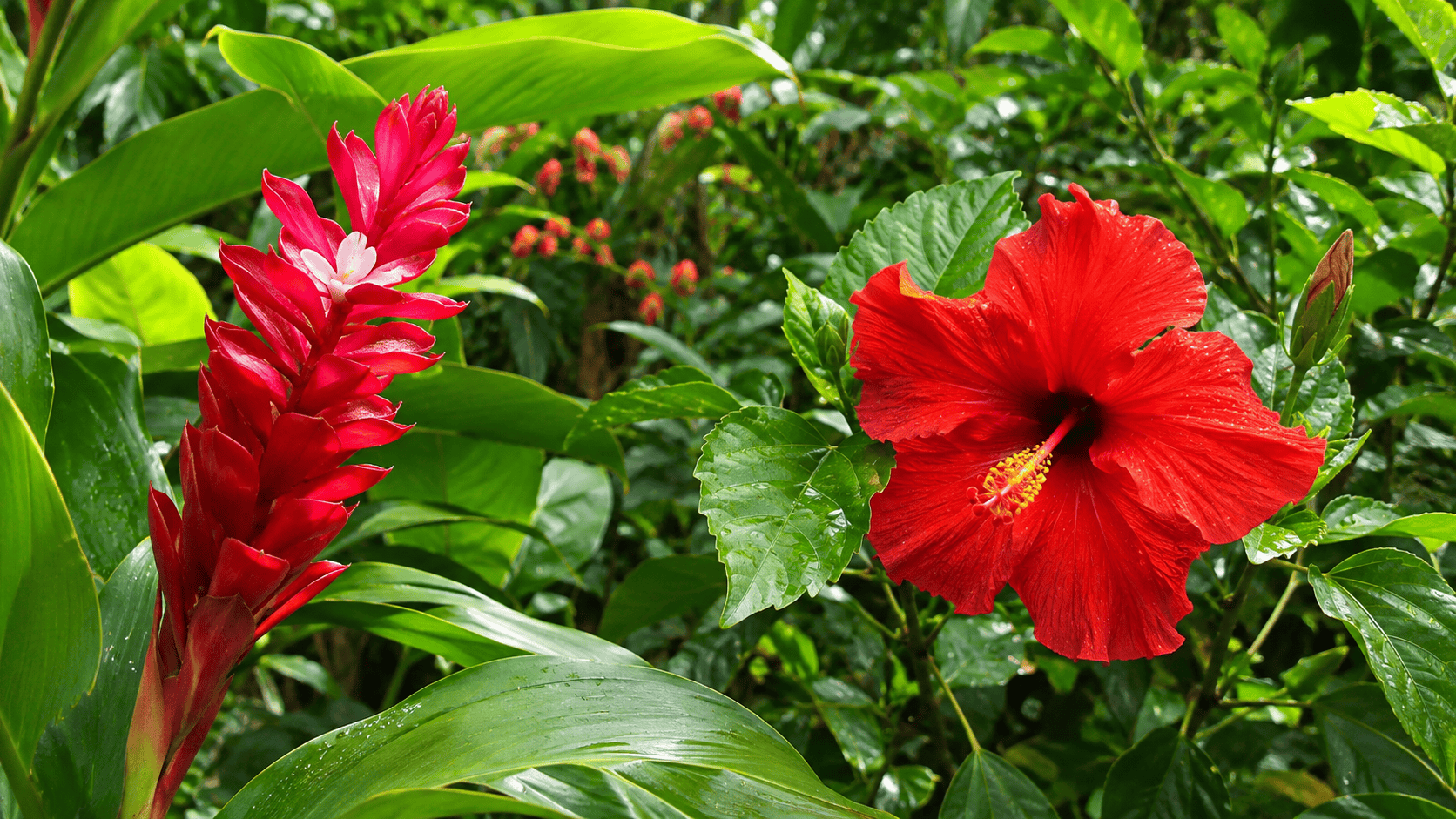
Heliconias, ornamental gingers and hibiscus belong to different plant families. Similar tropical-looking flowers do not imply close kinship.
Colour, shape and scent help attract different birds and insects to flowers.
Many showy garden plants were introduced or cultivated. A photograph alone cannot establish native distribution.
Travelers often come across ginger lilies and hibiscus in tropical gardens. Heliconia plants look somewhat similar, but botanically they belong to a different plant family.
Papaya, Pineapple, and Cassava
EXPLORE PLANT
Papaya, Pineapple, and Cassava
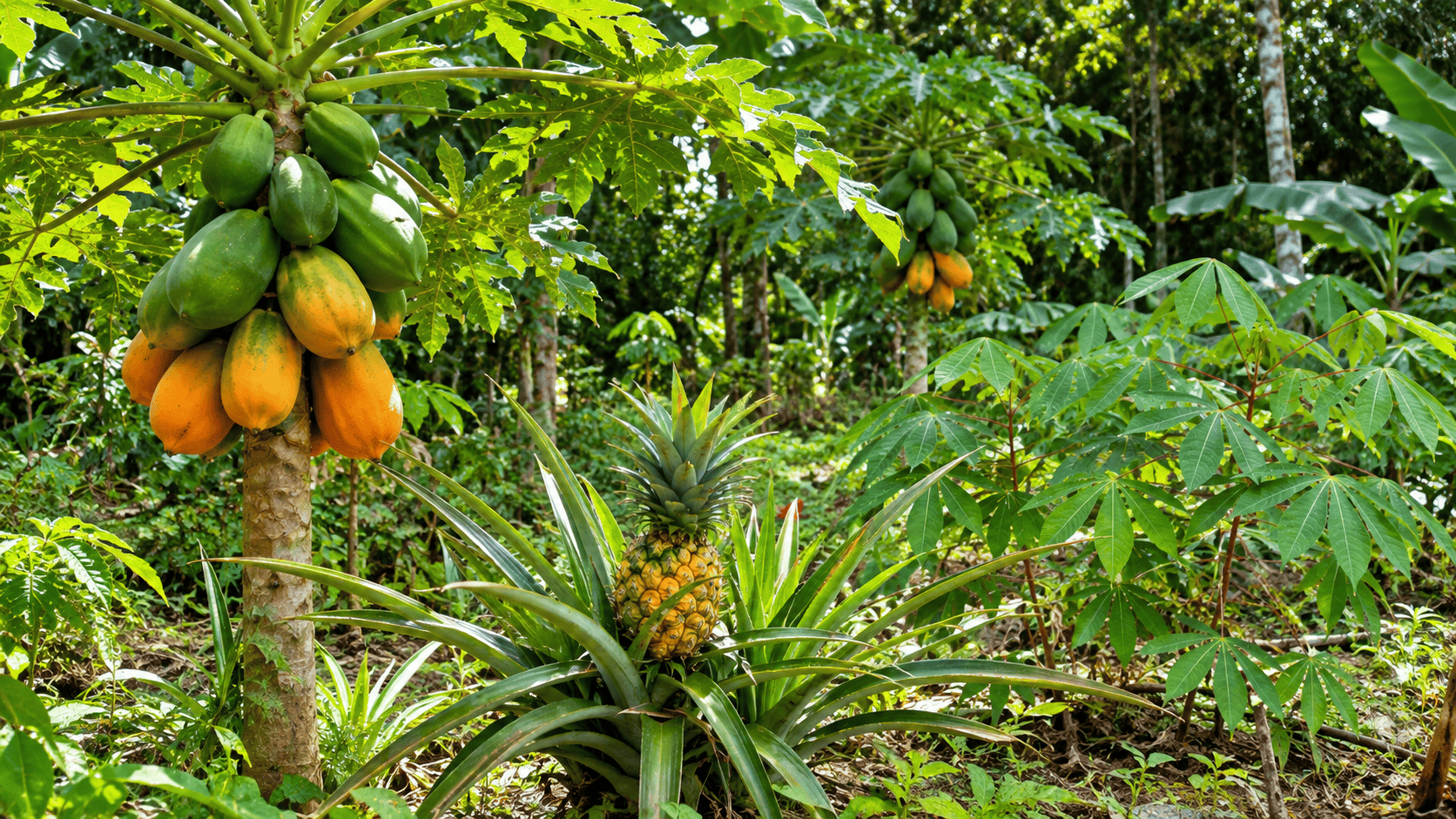
A pineapple forms from many flowers that fuse together. Botanically, the plant belongs to the bromeliad family.
Cassava roots contain varying amounts of cyanogenic compounds and must be properly peeled and prepared.
Papaya plants can bear male, female or bisexual flowers, affecting fruit production.
Papaya and pineapple provide fruit, while cassava (yuca) provides starchy roots. These are typical crops that play a role in many gardens and kitchens throughout Costa Rica.
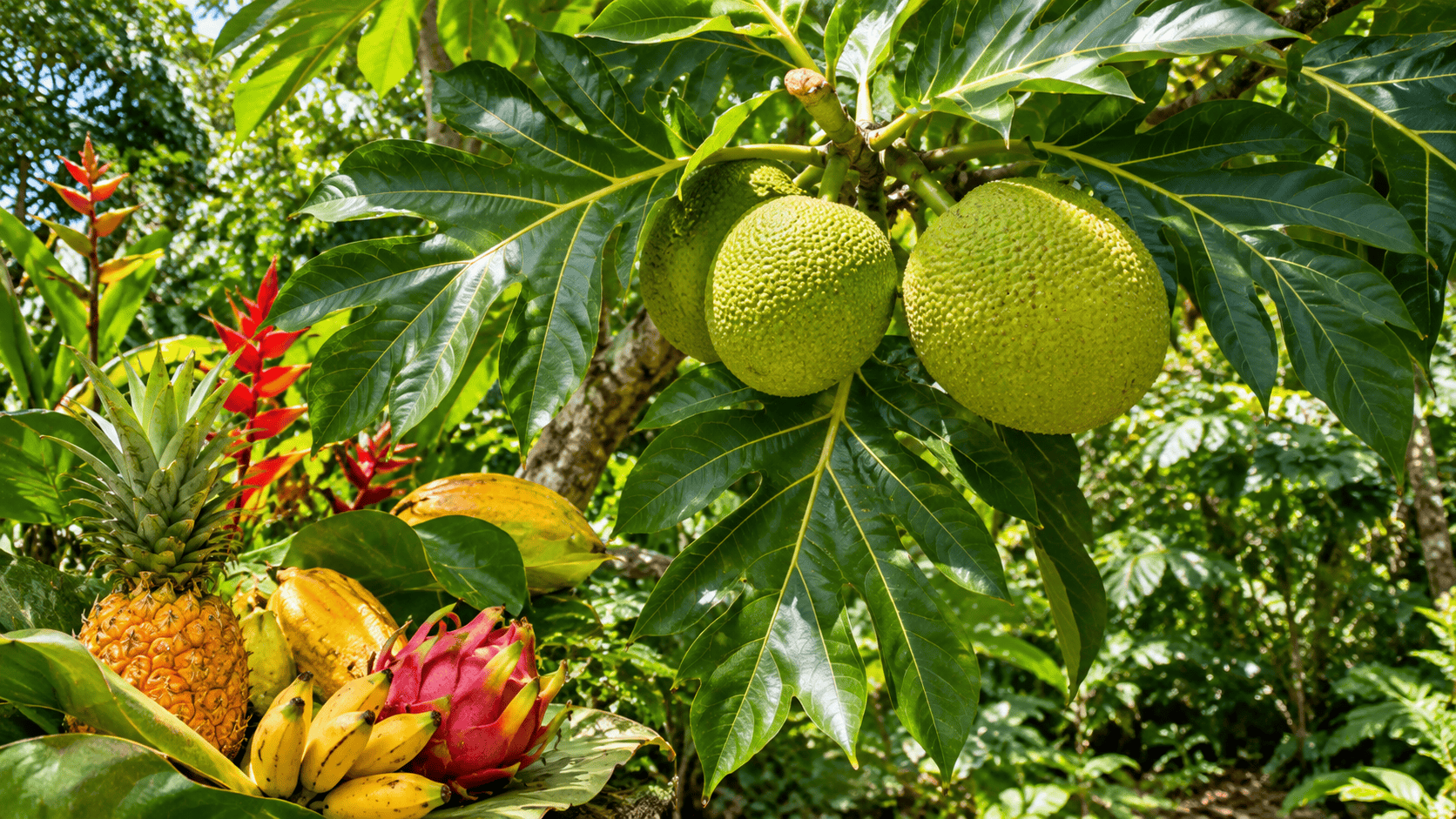
Breadfruit & Tropical Fruits
EXPLORE PLANT
Breadfruit & Tropical Fruits
Breadfruit has deep culinary traditions in the Pacific and is also used throughout the Caribbean. Its starchy flesh is usually cooked.
Tropical home gardens often mix several tree crops with different harvest seasons and canopy structures.
Bats, birds and other animals disperse the seeds of many tropical fruits; seedless cultivated varieties are often propagated vegetatively.
The breadfruit tree, along with guava, soursop, and other fruits, showcase the diversity of tropical kitchen gardens. Not all of these species are native to Costa Rica.
From Cocoa to Plantains
What’s on the Menu
Cocoa, bananas, plantains, yuca (cassava), papaya, pineapple, coconut, breadfruit, and guava can be found in gardens, at markets, or in the regional cuisine. Many of these are cultivated plants, not wild plants native to the region.
What Grows in the Garden
Hibiscus, ornamental ginger, heliconias, orchids, and bromeliads are particularly eye-catching. Often, the only way to tell which species you’re actually looking at is by examining the flowers, leaves, and growth habit.
Between the Beach and the Rainforest
Salt, Wind, and Tides
Mangroves can grow in suitable coastal and estuarine locations. Beach almond trees, sea grapes, and coconut palms characterize other coastal areas. Not every tropical coast is a mangrove area.
Protecting Habitats
Roots stabilize the soil, leaves provide shade, and flowers attract pollinators. Please do not take any plants from the national park, stay on the trails, and do not disturb animals while they are eating.
Discovering Plants—Without Harming Nature
Please do not pick wild plants or take them from protected areas. Stay on designated trails and respect private property. Botanical gardens and guided nature walks are particularly good ways to safely learn about plants.
Discover the Animal KingdomHistory & CultureImage Credits and Licenses
Helikonie: Sashamooo, CC BY-SA 4.0, Original on Wikimedia Commons. Cocoa pod: Aude, CC BY-SA 4.0, Original on Wikimedia Commons. Images have been technically resized for web display.

