
Costa Rica Caribbean Travel Planning Guide
Plan a Costa Rica Caribbean trip with clear advice on beaches, parks, culture, transport, weather, and responsible travel from Limón to Manzanillo's coast.
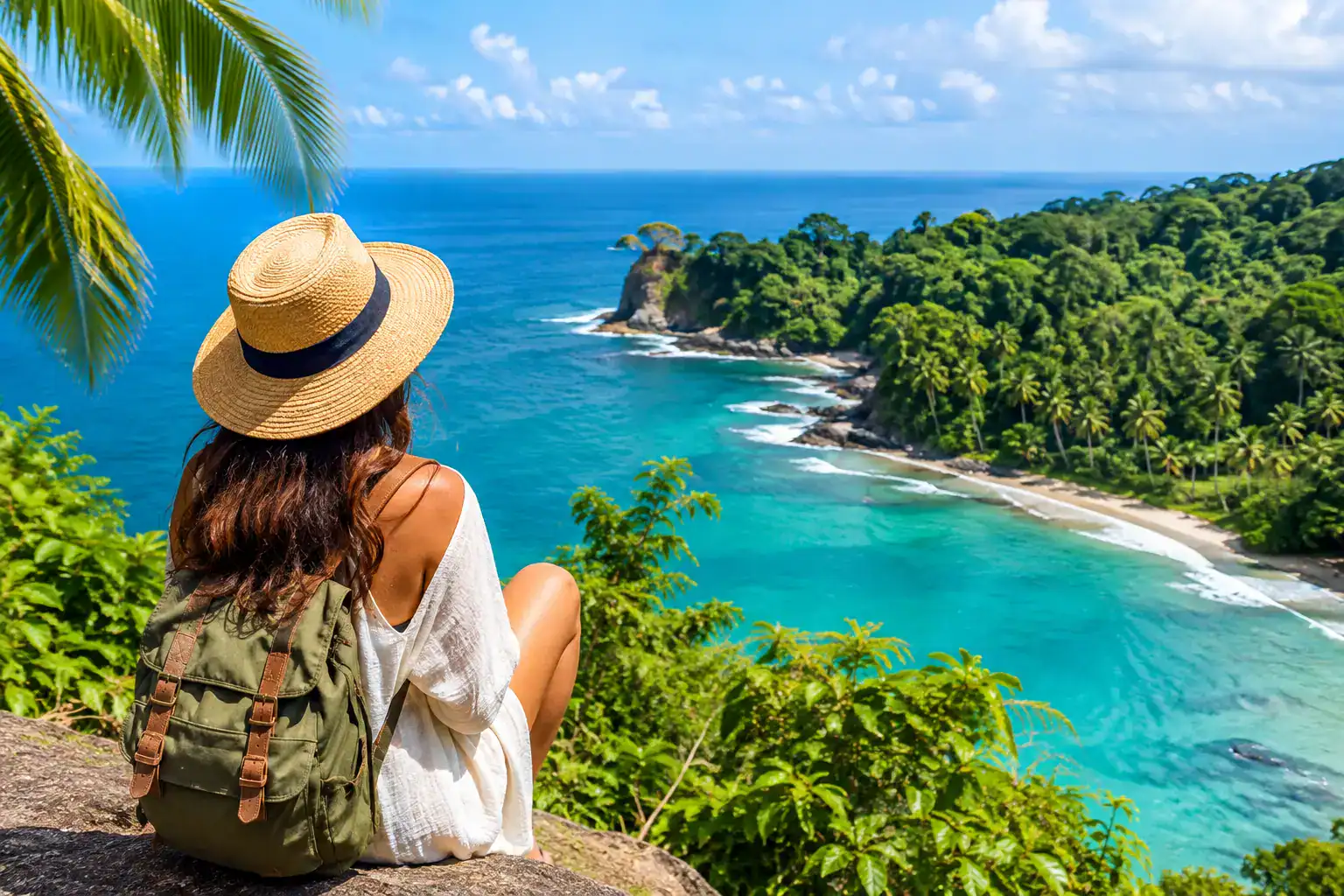
The Costa Rica Caribbean is not one uniform beach destination. It is a long, rain-fed coastline where sea turtles nest near canals, Afro-Caribbean food traditions shape everyday meals, and small towns lead into protected forest and Indigenous territories. Planning well means choosing the right stretch of coast for your pace, allowing for tropical weather, and treating nature and local communities with care.
For many visitors, the appeal lies in the contrast with Costa Rica’s Pacific side. The Caribbean coast is generally greener, less built-up in many areas, and culturally distinct. It can be wonderfully relaxed, but distances, rain, road conditions, and limited services outside the main towns reward travelers who leave room in their itinerary.
Understanding the Costa Rica Caribbean Coast
Costa Rica’s Caribbean shoreline runs from the Nicaraguan border to Panama, but most independent trips focus on several distinct areas. Tortuguero, in the north, is a remote network of waterways and rainforest. Puerto Limón is the region’s historic port city and principal cruise gateway. South of Limón, Cahuita, Puerto Viejo de Talamanca, and Manzanillo form the best-known visitor corridor.
These places should not be treated as interchangeable. Tortuguero suits travelers who want wildlife, boats, and a genuine sense of remoteness. Cahuita combines a small, walkable town with a national park and reef-fringed shoreline. Puerto Viejo has the broadest choice of restaurants, lodging, nightlife, and nearby beaches. Manzanillo is quieter, with a village atmosphere and close access to the Gandoca-Manzanillo Wildlife Refuge.
A first trip does not need to cover everything. Four to six nights can work well for Cahuita and the southern coast, while Tortuguero deserves separate time because getting there usually involves a road transfer followed by a boat. Trying to combine Tortuguero, Puerto Viejo, and other parts of the country in only a few days can turn a coastal vacation into a series of transfers.
Puerto Limón: A Port City With Its Own Story
Puerto Limón is more than a stopping point between San José and the southern beaches. Its port has long connected Costa Rica to the wider Caribbean, and the city remains central to the history and cultural identity of the province. The Afro-Costa Rican community has made enduring contributions to the region’s language, music, cuisine, commerce, and civic life.
Cruise visitors often have limited time, so the best choice depends on their priorities. A short city-focused outing can offer context and local perspective, while visitors hoping for rainforest, beaches, or Cahuita National Park should account carefully for driving time and their ship’s return schedule. Independent arrangements should always include a conservative buffer.
Beaches, Parks, and What Each Area Offers
The coast is rich in beaches, but the most photogenic beach is not automatically the safest place to swim. Caribbean conditions change quickly. Waves, currents, river mouths, and seasonal surf can create hazards even on calm-looking days. Follow posted information, ask locally about conditions, and avoid swimming alone or after dark.
Cahuita National Park is a strong choice for travelers who want forest and coast in the same day. Its trails pass through lowland rainforest where monkeys, sloths, birds, and coatis may be seen, though wildlife is never guaranteed. The park also protects important marine habitats, and guided snorkeling may be appropriate when sea conditions and park rules permit.
Around Puerto Viejo, beaches vary markedly over short distances. Playa Cocles is known for surf and an active beach scene, while Playa Chiquita and Punta Uva are often chosen for calmer scenery and slower days. Conditions still vary by weather and season. Renting a bicycle can be enjoyable along this corridor, but riders should use caution on narrow roads shared with cars, motorcycles, pedestrians, and rain-soaked pavement.
Farther south, the Gandoca-Manzanillo Wildlife Refuge protects beaches, wetlands, forest, and coastal ecosystems near the Panamanian border. It is a place to walk quietly, bring drinking water, and accept that facilities may be limited. Stay on designated routes and avoid disturbing nesting sites, wildlife, or fragile vegetation.
Weather and the Best Time to Visit
Rain is part of the Costa Rica Caribbean experience in every month. The coast’s rainforest is lush for a reason, and a forecast showing showers does not necessarily mean a lost day. Rain often arrives in bursts, although prolonged wet spells are possible and should be expected at certain times.
Broadly, the Caribbean coast often sees comparatively drier periods around February through March and September through October. That pattern is useful, not a promise. Local conditions can differ between Tortuguero, Limón, Cahuita, and the southern coast, and weather patterns shift from year to year.
Travelers who want the best chance of clear water for snorkeling should keep dates flexible where possible and avoid building a whole trip around one ocean activity. Those interested in turtle nesting should research current seasonal information for the specific species and protected area, rather than relying on a single calendar for the entire coast. Responsible viewing requires licensed local guidance where required and a willingness to keep a respectful distance.
Getting Around Without Rushing
San José is the usual starting point for the Caribbean. The drive to Puerto Limón commonly follows Route 32 through Braulio Carrillo National Park, a dramatic route that can be affected by heavy rain, fog, traffic, or occasional closures. Check current road conditions close to departure, particularly during wetter periods.
From Limón, the main road south connects Cahuita, Puerto Viejo, and Manzanillo. Public buses serve the corridor and are useful for travelers comfortable with a flexible schedule. Rental cars offer freedom for families and visitors carrying beach or hiking gear, but they are not essential for a stay centered on Puerto Viejo. Taxis, shuttles, bicycles, and local buses can cover many day-to-day needs.
Keep valuables out of sight in parked vehicles, especially at beaches and trailheads. This is sensible travel practice rather than a reason for alarm. Carry some cash for small businesses and transport, while recognizing that card acceptance is common in larger tourism establishments but less certain in smaller or more remote settings.
Culture, Food, and Respectful Travel
The Caribbean coast has a cultural identity that deserves more than a passing reference to reggae and palm trees. Afro-Caribbean traditions are deeply rooted here, alongside the presence of Bribri and Cabécar peoples in the wider Talamanca region. Visitors can learn by listening, choosing locally owned businesses, and avoiding the assumption that every community exists primarily for tourism.
Food offers an accessible introduction. Rice and beans cooked with coconut milk is a regional classic, distinct from the everyday Central Valley preparation. Patí, a savory pastry with Caribbean roots, and rondón, a coconut-based seafood stew whose ingredients can vary, are also associated with the coast. Ask restaurants about preparation and ingredients, particularly if you have dietary restrictions or seafood allergies.
When visiting Indigenous communities or booking cultural activities, choose arrangements that are community-led or clearly respectful of local authority. Do not enter private land, sacred areas, farms, or villages without permission. Photography should be requested, not assumed.
Where to Base Yourself
Choose Cahuita if you value a compact town, easy access to a national park, and a quieter evening rhythm. Choose Puerto Viejo if you want more dining options, varied accommodations, and convenient access to several beaches. Stay closer to Manzanillo if nature and a lower-key setting matter more than being within walking distance of many services.
Tortuguero is best treated as its own destination, usually for two or more nights. Its appeal is the absence of ordinary road travel, but that also means visitors should confirm baggage limits, boat-transfer details, and accommodation logistics in advance.
For families, proximity to groceries, restaurants, and dependable transportation may be more useful than the most isolated beachfront setting. Couples and independent travelers may prefer the quiet of the southern end of the coast. The right base depends less on a destination’s reputation than on how much movement you want during the trip.
The Caribbean coast rewards an observant style of travel. Leave time for a rain shower to pass, ask before taking photographs, support businesses that reflect the community, and let the landscape set a slower rhythm than your itinerary might initially allow.