
Traveling to Costa Rica: Plan the Caribbean Coast
Traveling to Costa Rica is easier with a thoughtful plan. Learn when to visit, how to get around, and what to expect on the Caribbean coast before you go
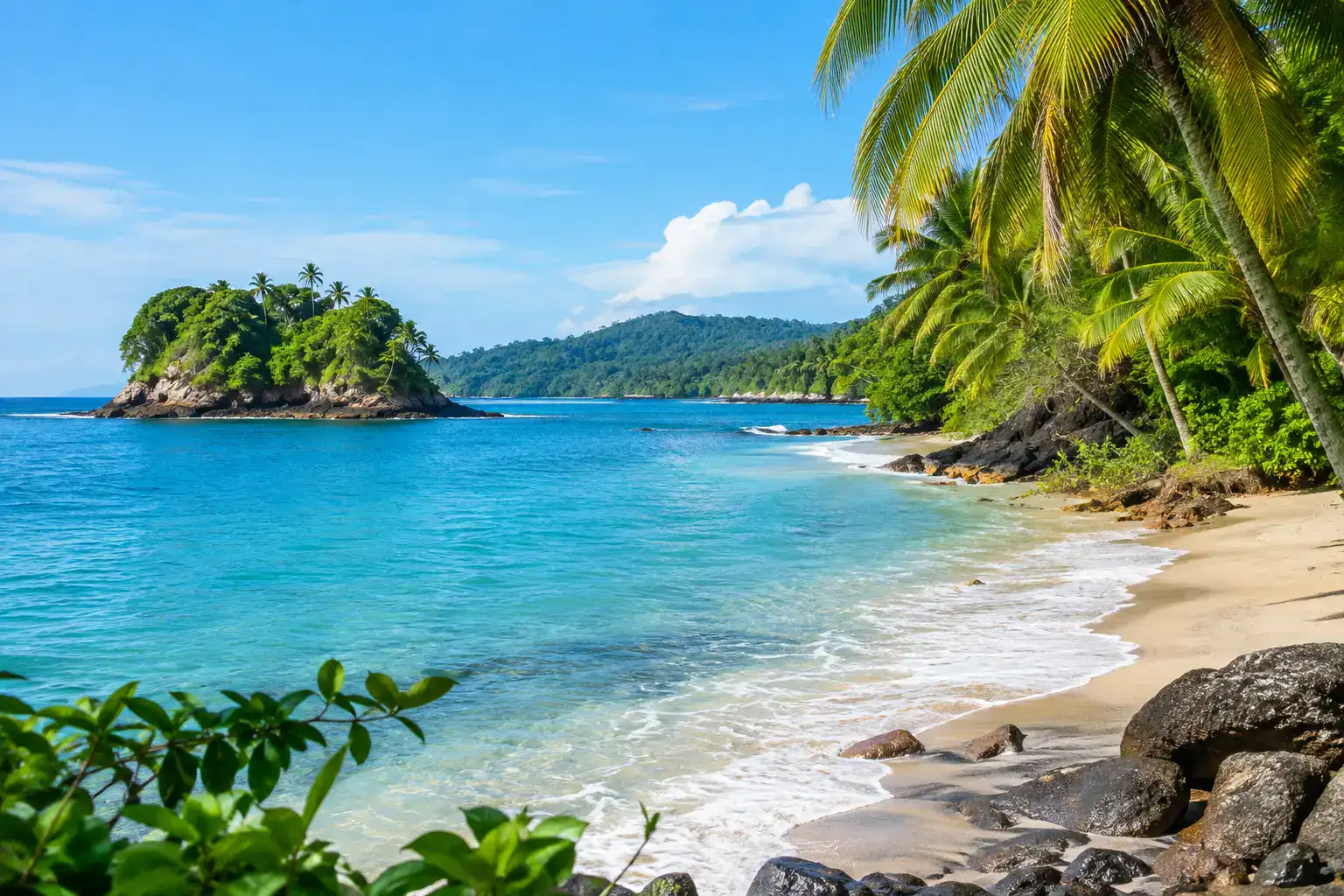
Traveling to Costa Rica: The Complete Guide to Planning Your Trip
Traveling to Costa Rica means discovering a country where tropical rainforests, active volcanic landscapes, cloud forests, beautiful beaches, and extraordinary wildlife exist within a relatively small area.
But Costa Rica is much more diverse than its size might suggest.
One day you could be exploring the rainforest around Arenal Volcano. A few days later, you might be walking through the misty cloud forests of Monteverde, relaxing on a Pacific beach, or discovering the Afro-Caribbean culture of Puerto Limón.
The secret to an unforgettable Costa Rica vacation is choosing the right regions, allowing realistic travel times, and planning your itinerary around your personal interests.
Whether you’re visiting Costa Rica for the first time, planning a family holiday, organizing a road trip, or looking for authentic nature experiences, this travel guide will help you discover the country’s highlights.
Why Travel to Costa Rica?
Costa Rica is one of Central America’s most attractive destinations for travelers who appreciate nature, outdoor adventures, wildlife, and cultural experiences.
The country is known for its national parks, biodiversity, and commitment to protecting natural environments.
Its landscapes include tropical rainforests, volcanic mountains, cloud forests, wetlands, mangroves, tropical dry forests, and two very different coastlines.
The Pacific Ocean lies to the west, while the Caribbean Sea borders the east.
Each region offers its own atmosphere and opportunities for exploration.
Some of the most popular experiences include:
- Watching wildlife in tropical rainforests.
- Visiting volcanoes and natural hot springs.
- Walking through misty cloud forests.
- Exploring national parks and protected areas.
- Relaxing on beautiful Pacific and Caribbean beaches.
- Discovering waterfalls, rivers, and tropical gardens.
- Enjoying local cuisine and cultural traditions.
- Experiencing activities such as kayaking, hiking, surfing, and ziplining.
Costa Rica is also famous for the expression “Pura Vida.”
More than a simple greeting, the phrase reflects an appreciation for everyday life, hospitality, and the enjoyment of simple moments.
Best Places to Visit in Costa Rica
Choosing where to go is one of the most important decisions when planning a trip.
Although Costa Rica is relatively small, traveling between regions can take considerably longer than expected.
Rather than trying to visit every major destination, choose a combination of places that complement each other.
1. San José and the Central Valley – Culture and History
San José, Costa Rica’s capital, is often the starting point for international visitors.
While many travelers continue directly to beaches or national parks, the city and surrounding Central Valley offer worthwhile cultural experiences.
Visitors can discover museums, historic buildings, traditional markets, and the country’s contemporary urban life.
The surrounding highlands also provide opportunities for coffee experiences, scenic drives, and visits to nearby towns.
Best for: Culture, museums, coffee experiences, and a convenient arrival or departure stop.
2. La Fortuna and Arenal Volcano – Adventure and Hot Springs
La Fortuna is one of Costa Rica’s best-known nature destinations.
Located near Arenal Volcano, the area offers impressive volcanic landscapes, rainforest trails, waterfalls, and geothermal hot springs.
Visitors can enjoy hiking, guided wildlife observation, hanging bridges, and outdoor adventure activities.
Arenal Volcano is a remarkable landmark, although clouds frequently obscure its summit.
The area works particularly well for travelers who want to combine active exploration with relaxation.
Best for: Volcano scenery, hot springs, waterfalls, rainforest activities, and adventure.
3. Monteverde – Cloud Forests and Wildlife
Monteverde offers a completely different environment from Costa Rica’s coastal lowlands.
Its cloud forests are characterized by cooler temperatures, misty conditions, moss-covered trees, and extraordinary plant life.
Nature enthusiasts can explore forest trails, search for tropical birds, and discover the complex ecosystems found at higher elevations.
The region is especially attractive for birdwatching, including opportunities to observe the resplendent quetzal in suitable habitats and seasons.
Hanging bridges and guided forest walks provide additional ways to experience the landscape.
Best for: Cloud forests, birdwatching, hiking, and cooler mountain scenery.
4. Guanacaste – Sunshine and Pacific Beaches
Guanacaste, in northwestern Costa Rica, is known for its Pacific coastline, tropical dry forests, and popular beach destinations.
The region includes well-known coastal areas such as Tamarindo, Playa Flamingo, Playas del Coco, and the Papagayo Peninsula.
Visitors can find everything from lively surf towns to quieter beaches and upscale resorts.
Guanacaste generally experiences a more pronounced dry season than many other parts of the country.
This makes it especially attractive to travelers looking for sunny beach holidays during the northern winter months.
Best for: Beach vacations, surfing, resorts, tropical dry forests, and relaxation.
5. Manuel Antonio and the Central Pacific Coast
Manuel Antonio is one of Costa Rica’s most recognizable destinations.
Its national park combines rainforest trails, wildlife habitats, and attractive Pacific beaches.
Visitors may encounter monkeys, sloths, iguanas, and tropical birds, although wildlife sightings are never guaranteed.
The surrounding area offers accommodations, restaurants, guided excursions, and ocean-view landscapes.
Other Central Pacific destinations, including Jacó and nearby coastal communities, offer additional opportunities for surfing and outdoor activities.
Best for: Rainforest and beach combinations, wildlife, and first-time visitors.
6. Uvita, Dominical and the South Pacific Coast
Traveling farther south along the Pacific coast reveals landscapes with a more tropical and less developed character.
Uvita is known for Marino Ballena National Park and its distinctive coastal formation commonly called the Whale Tail.
Dominical attracts surfers, while nearby forests and waterfalls provide opportunities for hiking and nature excursions.
The South Pacific is also associated with seasonal whale-watching opportunities.
Wildlife and marine encounters depend on the season and environmental conditions.
Best for: Nature, surfing, waterfalls, seasonal whale watching, and a quieter coastal atmosphere.
7. Osa Peninsula and Corcovado – Remote Rainforest Adventures
The Osa Peninsula is among Costa Rica’s most remarkable regions for travelers interested in tropical wildlife and relatively remote natural landscapes.
Corcovado National Park protects extensive rainforest habitats and supports an extraordinary diversity of animals.
Visitors may have opportunities to observe monkeys, macaws, tapirs, and other species in their natural environment.
Exploring Corcovado requires careful planning, and visits must follow the applicable national park access and guiding requirements.
Travel times, limited infrastructure, and weather conditions make the region more suitable for travelers willing to dedicate several days to the experience.
Best for: Serious nature enthusiasts, wildlife observation, and remote rainforest experiences.
8. Puerto Limón and the Caribbean Coast – Culture, Rainforest and Tropical Beaches
Costa Rica’s Caribbean coast offers a distinctive combination of tropical nature, coastal communities, and Afro-Caribbean cultural heritage.
Puerto Limón is an important port city whose identity has been shaped by maritime trade, railway development, migration, and Caribbean traditions.
South of Limón, Cahuita offers a relaxed coastal atmosphere and access to Cahuita National Park.
The park’s rainforest trails run alongside the Caribbean Sea, offering opportunities to observe monkeys, sloths, iguanas, and tropical birds.
Farther south, Puerto Viejo de Talamanca is known for its beaches, restaurants, surf culture, and lively atmosphere.
Nearby Punta Uva, Playa Chiquita, and Manzanillo provide additional opportunities to explore the southern Caribbean coastline.
Visitors interested in tropical waterways and local nature experiences can also discover guided excursions offered by Maratopia Tours, a local operator based in the Puerto Limón region.
The Caribbean coast is a rewarding addition to a Costa Rica itinerary, particularly for travelers who appreciate culture, rainforest scenery, wildlife, and a relaxed atmosphere.
Best for: Afro-Caribbean culture, rainforest, wildlife excursions, coastal villages, and tropical beaches.
Best Time to Visit Costa Rica
Costa Rica is a year-round destination, but the best time to visit depends on the regions you plan to explore.
The country’s mountains create important differences between Pacific and Caribbean weather patterns.
Dry Season: December to April
The Pacific side generally experiences its most pronounced dry season between December and April.
This is a popular period for beach holidays in Guanacaste and other Pacific destinations.
Sunny weather and reduced rainfall can make outdoor activities easier to organize.
However, popular hotels and attractions may become busier, especially around Christmas, New Year, and Easter.
Green Season: May to November
The Pacific green season typically brings more frequent rainfall.
Mornings can still be bright, with showers developing later in the day, although conditions vary considerably.
The landscape becomes lush and green, and some destinations may feel less crowded outside peak holiday periods.
Heavy rain can also affect roads, hiking trails, rivers, and outdoor activities.
The Caribbean Coast Has a Different Climate
The Caribbean coast does not follow exactly the same seasonal pattern as the Pacific.
Rain is possible throughout the year, while February and March and often September and October can bring relatively drier periods.
This means that September or October, which may be particularly rainy on the Pacific side, can still be attractive months for parts of the Caribbean.
However, no season guarantees sunshine.
For the most up-to-date seasonal information, consult the official Costa Rica climate guide.
How Many Days Do You Need in Costa Rica?
Costa Rica’s landscapes are diverse, and traveling between destinations takes time.
A well-paced holiday is usually more rewarding than an itinerary with too many hotel changes.
7 Days in Costa Rica
For a one-week visit, focus on two destinations.
A possible itinerary is:
- Days 1–3: La Fortuna and Arenal.
- Days 4–6: A Pacific beach destination.
- Day 7: Departure, with sufficient time for airport transfers.
This offers a combination of rainforest experiences, volcanic landscapes, and relaxation.
10 Days in Costa Rica
With ten days, you can comfortably explore two or three areas.
For example:
- Days 1–3: La Fortuna and Arenal.
- Days 4–5: Monteverde.
- Days 6–9: Manuel Antonio or Guanacaste.
- Day 10: Departure.
This itinerary combines mountains, cloud forests, wildlife, and beaches.
14 Days in Costa Rica
Two weeks offer greater flexibility.
You might combine:
- San José or the Central Valley.
- La Fortuna and Arenal.
- Monteverde.
- A Pacific beach destination.
Alternatively, travelers particularly interested in the Caribbean could combine La Fortuna with Puerto Limón, Cahuita, and Puerto Viejo.
Avoid trying to fit Guanacaste, the Osa Peninsula, and the southern Caribbean into a short trip. The distances and travel requirements make such a route unnecessarily demanding.
Getting to Costa Rica
Most international visitors arrive through one of the country’s two principal international airports.
Juan Santamaría International Airport (SJO)
Located in Alajuela near San José, SJO is a major gateway for travelers visiting the Central Valley, La Fortuna, the Caribbean coast, and many destinations across the country.
It also provides access to domestic flight connections.
Guanacaste Airport, Liberia (LIR)
Daniel Oduber Quirós International Airport serves Liberia and is particularly convenient for many destinations in northwestern Costa Rica.
It can be a practical alternative for travelers whose holidays focus on Guanacaste’s beaches and resorts.
Choosing the airport closest to your primary destinations can save considerable travel time.
Getting Around Costa Rica
Renting a Car
A rental car offers independence and flexibility, especially for travelers planning to explore several destinations.
However, driving conditions vary significantly.
Mountain roads, narrow bridges, heavy rain, road construction, and slow-moving vehicles can increase travel times.
A high-clearance vehicle may be useful for some rural accommodations or unpaved roads, but it is not essential for every itinerary.
Before renting, review insurance coverage carefully and confirm which roads are suitable for the vehicle.
Public Buses
Costa Rica has an extensive public bus network connecting major cities and many smaller communities.
Buses can be economical, although connections between tourist destinations may require transfers.
This option is particularly suitable for independent travelers with flexible schedules.
Shared Shuttles and Private Transfers
Tourist shuttles provide connections between many popular destinations.
They can be convenient for travelers who prefer not to drive.
Private transfers offer greater flexibility and comfort, particularly for families or groups.
Domestic Flights
Domestic flights can reduce travel times when visiting remote regions.
However, baggage allowances, weather conditions, and transfer logistics should be considered.
How Much Does a Trip to Costa Rica Cost?
Costa Rica offers accommodation and travel experiences across several budget categories, but it is not necessarily a low-cost destination compared with some neighboring countries.
Your expenses depend heavily on the season, destination, accommodation style, transportation, and activities.
Budget Travel
Travelers staying in hostels or simple guesthouses, using public transportation, and eating at local sodas can reduce their expenses.
Mid-Range Travel
Small hotels, comfortable lodges, rental cars or shuttles, and guided activities offer a balance between convenience and independence.
Luxury Travel
Costa Rica also offers high-end resorts, boutique rainforest lodges, private guides, wellness experiences, and exclusive nature retreats.
For every budget category, plan separately for national park entrance fees, guided excursions, transportation, meals, and travel insurance.
Wildlife Watching in Costa Rica
For many visitors, seeing wildlife is one of the main reasons to travel to Costa Rica.
The country’s forests, wetlands, mountains, and coastal ecosystems provide habitats for an impressive variety of species.
Depending on the region, visitors may encounter:
- Sloths
- Howler, capuchin, and spider monkeys
- Toucans and macaws
- Hummingbirds
- Iguanas and other reptiles
- Tree frogs
- Coatis
- Tapirs
- Sea turtles in suitable nesting areas and seasons
Wildlife encounters are unpredictable, and no responsible operator should guarantee specific sightings.
An experienced naturalist guide can be particularly valuable when animals are hidden high in trees or among dense vegetation.
Never feed wildlife, touch wild animals, or attempt to move them for photographs.
Costa Rica Travel Tips You Should Know
Pack for Different Climates
Beach destinations can be hot and humid, while highland areas such as Monteverde may be cool and misty.
Pack lightweight clothing, rain protection, comfortable walking shoes, sun protection, and an additional layer for higher elevations.
Plan Around Travel Times
Distances on a map can be misleading.
Allow extra time for mountain roads, weather, traffic, and unexpected delays.
Avoid scheduling long drives immediately after late international arrivals.
Check Entry Requirements
Passport validity, visa rules, onward-travel requirements, and health regulations depend on nationality and travel history.
Check official requirements before departure rather than relying exclusively on older travel articles.
Use Costa Rican Colones When Convenient
The official currency is the Costa Rican colón.
U.S. dollars and major credit cards are accepted at many tourism businesses, but carrying some local currency is useful for smaller purchases.
Respect Local Communities
Costa Rica’s communities have different histories and cultural traditions.
Support local businesses, respect Indigenous territories, and ask permission before photographing people.
Choose Responsible Wildlife Experiences
Avoid attractions that encourage inappropriate contact with wild animals.
Respect protected areas, stay on designated trails, and follow the instructions of qualified guides.
Is Costa Rica Safe for Tourists?
Costa Rica is a well-established international tourism destination, but travelers should take sensible precautions.
Keep valuables discreet, avoid leaving belongings visible in parked vehicles, and use reputable transportation providers.
Be careful when swimming, as strong currents and rip tides can occur on both coastlines.
Follow local beach warnings rather than assuming that calm-looking water is safe.
When hiking, consider weather conditions, trail difficulty, and the time remaining before darkness.
For remote activities, using an experienced local guide is often advisable.
Frequently Asked Questions About Traveling to Costa Rica
Is Costa Rica Worth Visiting?
Yes, especially for travelers interested in nature, wildlife, beaches, outdoor adventures, and cultural experiences. The country offers an unusually diverse range of landscapes within a relatively compact area.
What Is the Best Month to Visit Costa Rica?
There is no single best month for the entire country. December through April often provides favorable dry-season conditions on the Pacific coast, while the Caribbean has different rainfall patterns.
How Many Days Are Enough for Costa Rica?
Ten to fourteen days are ideal for many first-time visitors who want to combine several regions without rushing. A one-week trip can also be rewarding when focused on one or two areas.
Is Costa Rica Expensive?
Costa Rica can be relatively expensive compared with some other Central American destinations, particularly for international-standard hotels, rental vehicles, and guided activities. Budget travel is still possible with careful planning.
Do You Need a Rental Car in Costa Rica?
Not necessarily. Public buses, shared shuttles, domestic flights, and private transfers provide alternatives. A rental car is most useful when visiting several destinations independently.
Which Coast Is Better: Pacific or Caribbean?
Neither is universally better.
The Pacific offers a broad range of beach destinations, surf areas, and resorts, while the Caribbean is known for tropical rainforest, Afro-Caribbean culture, wildlife, and a different coastal atmosphere.
The best choice depends on your interests and the time of year.
Can You Visit Costa Rica With Children?
Yes. Many destinations offer family-friendly accommodations, nature experiences, and outdoor activities. Choose manageable travel distances and activities suited to the children’s ages and abilities.
Can You See Sloths in Costa Rica?
Sloths inhabit suitable forest environments in several regions, including parts of the Caribbean coast and Central Pacific. Sightings are possible but never guaranteed.
Is English Widely Spoken in Costa Rica?
Spanish is the official language. English is commonly used in many tourism businesses, although proficiency varies by region.
Learning a few basic Spanish phrases is helpful and appreciated.
Can You Visit Both Coasts in One Trip?
Yes, particularly during longer visits. However, the Pacific and Caribbean coasts are separated by mountainous terrain, and transfers can take several hours.
Plan your route carefully rather than treating the journey as a short drive.
Final Thoughts: Plan Your Costa Rica Adventure
Costa Rica is a country best experienced without rushing.
Its appeal lies not only in famous national parks or beautiful beaches but also in the variety of experiences found between them.
A morning in a misty cloud forest, an afternoon near a volcano, a quiet tropical river, or a conversation over traditional Costa Rican food can become just as memorable as a major attraction.
Whether you choose the Pacific coastline, the Caribbean lowlands, the mountains, or a combination of regions, build your trip around realistic travel times and the experiences that matter most to you.
The best Costa Rica itinerary is not the one that includes the most destinations. It is the one that gives you enough time to enjoy them.
Plan thoughtfully, travel responsibly, and discover what makes Costa Rica such an extraordinary destination.