
The Mystical Talamanca: A Fairy Tale Journey
Plan a respectful journey through the mystical Talamanca, a fairy tale of cloud forest, Bribri culture, wildlife, rain, and remote Caribbean roads safely.
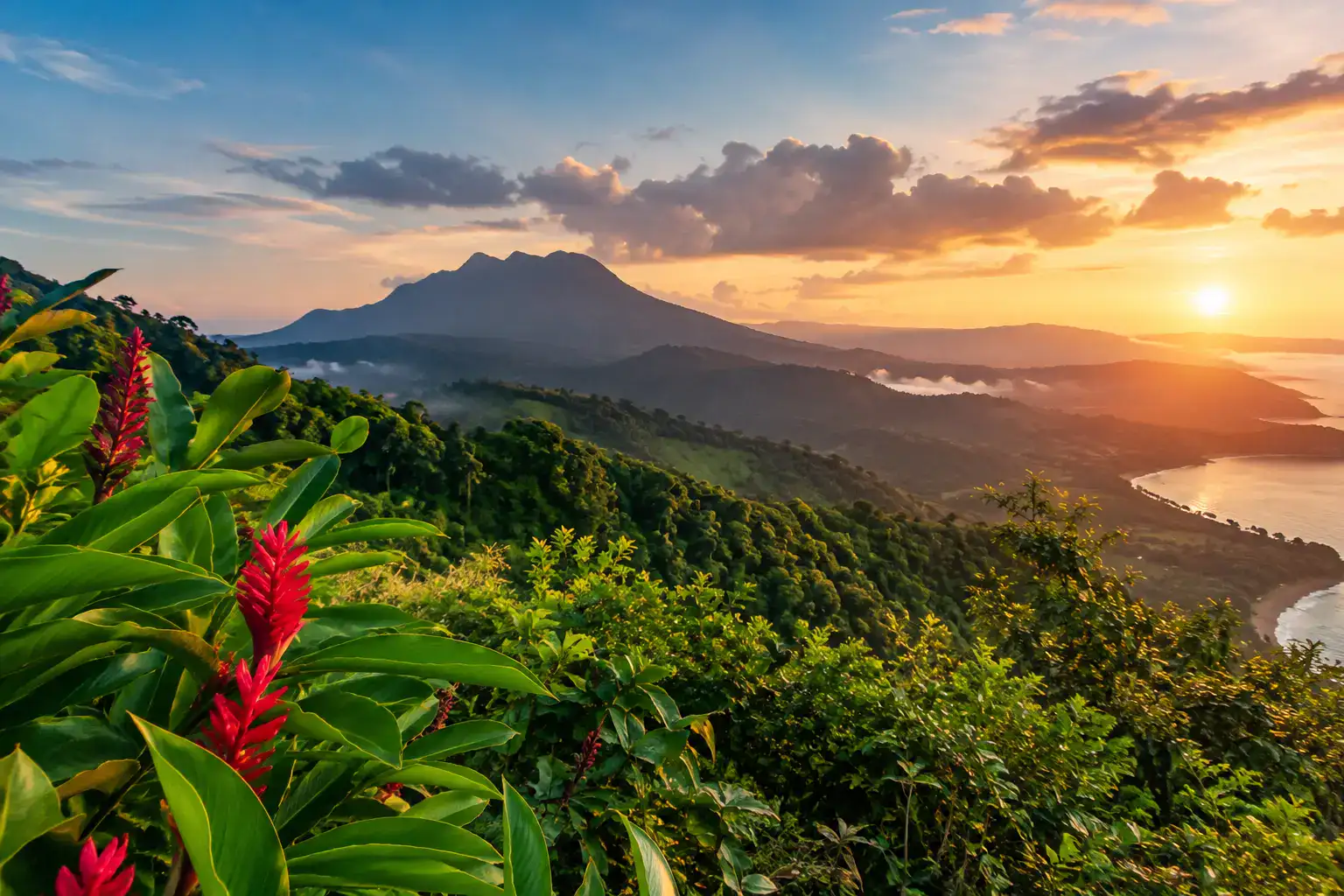
The mystical Talamanca, a fairy tale of misty ridgelines, rushing rivers, and forest-covered roads, is easy to romanticize from Costa Rica’s Caribbean coast. Yet this is not a manufactured wilderness backdrop. It is a vast living region shaped by Indigenous communities, exceptional biodiversity, demanding terrain, and weather that can change a travel plan in an afternoon.
For travelers based in Puerto Viejo, Cahuita, or Puerto Limón, Talamanca offers a deeper view of the Caribbean side of Costa Rica. The experience may be a day spent learning about cacao near Bribri, a scenic drive toward the foothills, or a longer expedition into remote mountain landscapes. The right choice depends on your time, interests, physical readiness, and respect for the communities whose territories you may be entering.
The Mystical Talamanca: More Than a Fairy Tale
Talamanca refers both to a mountain range extending through southeastern Costa Rica and western Panama and to the Caribbean canton that reaches south from the Limón area toward the Panamanian border. The Cordillera de Talamanca contains some of Costa Rica’s most intact highland ecosystems, from humid lowland rainforest to cloud forest and high-elevation páramo.
Its grandeur is real, but the phrase “fairy tale” needs some perspective. Talamanca is not an empty, enchanted frontier waiting to be consumed by visitors. It is home to Bribri and Cabécar peoples, agricultural communities, protected areas, and families navigating distances, rainfall, and infrastructure challenges that visitors may only notice as part of an adventure.
That distinction makes a visit more meaningful. Instead of looking for a mystical fantasy, come prepared to understand a region where culture and landscape are inseparable.
A Landscape That Changes With Every Elevation
The Caribbean-facing slopes of Talamanca receive abundant rainfall. Rivers rise quickly, vegetation is dense, and the air can feel dramatically cooler as roads climb away from the coast. This variety explains why the region is so important for wildlife and water resources, while also explaining why travel requires patience.
Near the lower elevations, expect cacao farms, banana-growing areas, tropical forest, and river valleys. Higher up, the forest becomes wetter and more layered, with ferns, mosses, orchids, and towering trees shaped by cloud and wind. The Talamanca range also forms part of the wider La Amistad conservation area, one of Central America’s most significant transboundary protected landscapes.
Wildlife is part of the appeal, but it should never be promised on command. Sloths, monkeys, toucans, frogs, and countless insects may be present in suitable habitat, while more elusive species are rarely seen even by experienced guides. A knowledgeable local guide can help visitors notice tracks, calls, plants, and ecological relationships that are easy to miss alone.
Rain Is Part of the Experience
On the Caribbean coast, rain is not simply bad weather. It feeds rivers, sustains the forest, and gives Talamanca its intense green character. It also affects road conditions, trail safety, visibility, and travel times.
Bring a light rain jacket, dry bags for electronics, shoes with grip, insect protection, and drinking water. During periods of heavy rain, do not assume that a road shown on a map is suitable for a standard rental car. River crossings, mud, landslides, and damaged surfaces can alter access quickly, especially beyond the main paved routes.
Bribri and Cabécar Territories: Visit With Care
Talamanca is central to the cultural life of Costa Rica’s Bribri and Cabécar peoples. Visitors often encounter this heritage through cacao, medicinal plants, storytelling, handicrafts, and community-led cultural experiences. These can be rewarding encounters when they are organized respectfully and when travelers understand that Indigenous culture is not a performance.
Choose experiences led by local residents or established community initiatives, follow the guidance you are given, and ask before photographing people, homes, ceremonial spaces, or farms. A guide may explain which areas are open to visitors and which are private or culturally sensitive. That is not a limitation on your trip. It is the basis for being a welcome guest.
Cacao is one of the most accessible ways to learn about the region. On a well-run visit, travelers can follow the process from pod to bean to chocolate while hearing how cacao fits into farming, food traditions, family livelihoods, and local knowledge. Not every farm visit is the same, so avoid expecting a standardized attraction. The value lies in the individual hosts and their perspective.
Language and Everyday Courtesy
Spanish is useful throughout the region, though English is spoken in some tourism-facing businesses along the coast. Bribri and Cabécar are distinct Indigenous languages, and visitors should not assume that everyone speaks or wishes to speak about them. A simple greeting, attentive listening, and a willingness to follow local instructions go further than treating culture as a checklist.
How to Experience Talamanca From the Caribbean Coast
For many independent travelers, Puerto Viejo de Talamanca is the most practical base. It offers accommodations, restaurants, transport connections, and access to nearby beaches, while inland communities and forest landscapes are within reach by arranged transport, rental vehicle, or guided outing. Cahuita can also work well for travelers combining national park time with a broader Caribbean itinerary.
A half-day or full-day cultural and nature-focused visit is often the best introduction if your schedule is limited. Cruise passengers arriving in Puerto Limón should be especially realistic: Talamanca is extensive, and trying to combine distant inland areas with a fixed ship departure can create unnecessary risk. A closer, carefully timed experience is usually wiser than an ambitious itinerary built around uncertain road conditions.
Travelers with several days can slow down. Combine a coastal stay with a community-based cacao visit, a guided forest walk, and time in nearby towns rather than treating the region as a single drive-through destination. Those heading toward more remote mountain areas should arrange details in advance, confirm current road conditions locally, and use guides familiar with the route.
Responsible Choices Matter Here
The Talamanca region carries environmental and cultural importance that deserves more than good intentions. Spend with locally owned businesses where possible, hire qualified local guides, avoid leaving trails, and take all waste back with you. Do not feed wildlife or collect plants, feathers, stones, or other natural materials.
Be cautious with claims that a tour offers “authentic” Indigenous access or guaranteed animal encounters. Authenticity is not a marketing label, and wildlife does not follow an itinerary. Look instead for clear information about who leads the experience, where your money goes, what is included, and how the visit respects private property and local decision-making.
Travel can bring meaningful income to rural communities, but benefits are not automatic. The most thoughtful visitors understand that a fair exchange includes time, consent, and respect, not only payment.
When Is the Best Time to Go?
Talamanca can be visited year-round, but conditions vary considerably by elevation and location. Costa Rica’s Caribbean side does not follow the same dry-season pattern as the Pacific coast, and rain remains possible in every month. Some travelers favor the relatively drier Caribbean periods often seen around September and October, but weather is never guaranteed.
If your priority is hiking or mountain travel, ask locally about current conditions shortly before departure. If your priority is culture, cacao, and tropical nature, a rainy day may still offer an excellent visit, provided roads are safe and your plans remain flexible. Early starts are useful for cooler temperatures, calmer logistics, and a little more daylight if the weather shifts.
Talamanca rewards travelers who trade certainty for attention. Listen to the rain, accept a slower road, learn the names behind the landscape, and let the region be more complex than a fairy tale.