
Safety on Costa Rica’s Caribbean Coast
Practical safety advice for Puerto Limón, Cahuita, and Puerto Viejo, covering beaches, wildlife, transport, valuables, weather, and cruise-day visits.
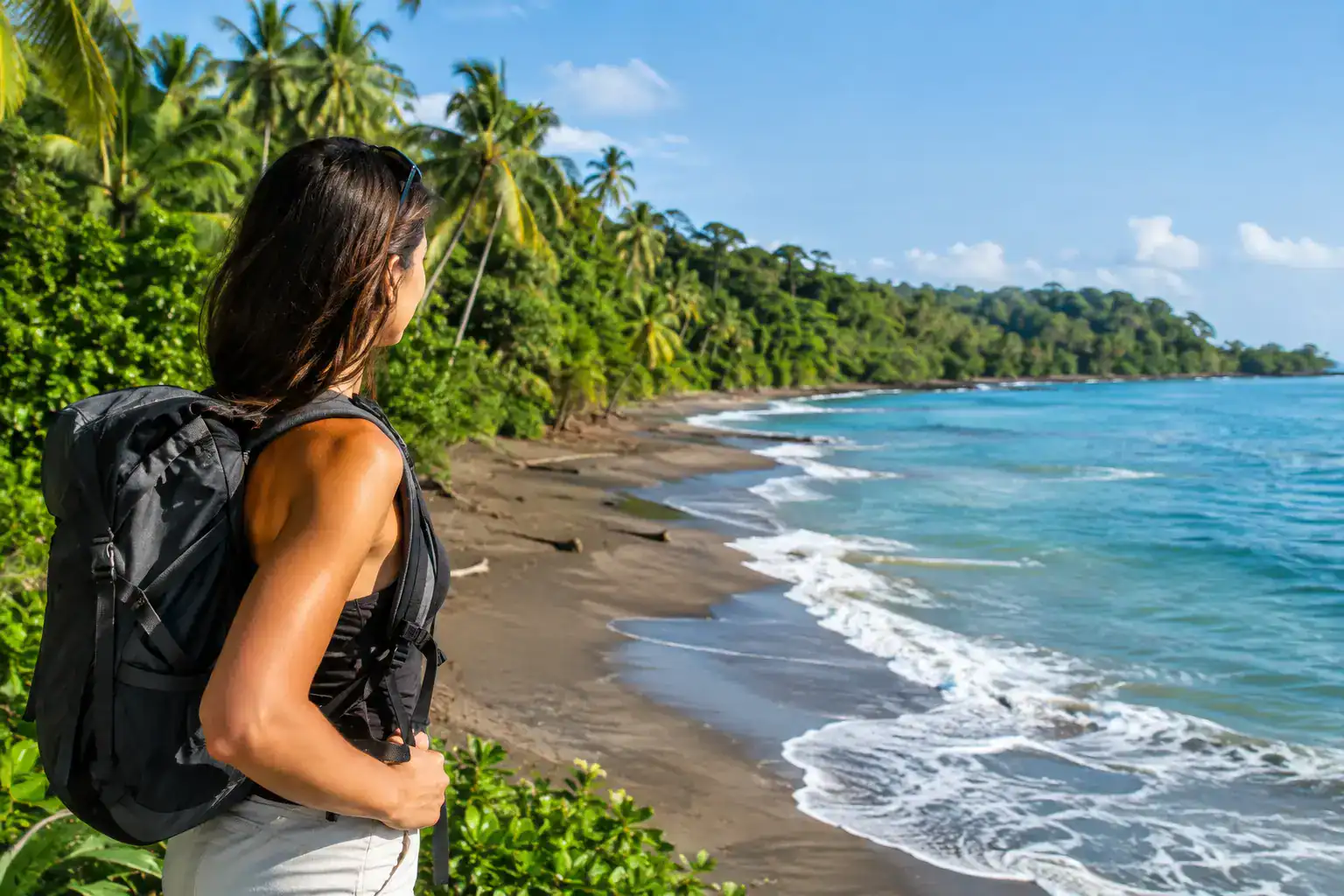
A calm Caribbean sea can change character quickly, and an unattended bag can disappear just as fast as a tropical rain shower arrives. Safety on Costa Rica’s Caribbean coast is less about avoiding the region and more about understanding its conditions: powerful water, humid weather, rural roads, active wildlife, and towns that reward sensible awareness.
For most visitors, Puerto Limón Province is welcoming and straightforward to explore. Families walk Cahuita’s village streets, independent travelers move between Puerto Viejo and the beaches south of town, and cruise passengers spend rewarding days in and around Limón. Good preparation allows the coast’s nature, culture, and slower rhythm to remain the focus.
Personal Safety in Puerto Limón and Beach Towns
Use the same practical habits you would in any unfamiliar destination. Carry only what you need for the day, keep phones and wallets out of sight when they are not in use, and leave passports, extra cards, and valuable jewelry securely stored at your accommodation whenever possible. A photocopy or secure digital copy of travel documents can be useful, but it does not replace protecting the originals.
In Puerto Limón, especially around transport hubs and busy commercial areas, stay attentive to your belongings and avoid displaying expensive cameras or large amounts of cash. This is not a reason to avoid the city. It is a reason to plan your movements, use official transportation when appropriate, and ask your accommodation or a trusted local business for current advice about an area after dark.
Puerto Viejo, Cahuita, and smaller coastal communities are generally relaxed, but their casual atmosphere should not lead to carelessness. Do not leave bags, phones, or sandals unattended on the beach while swimming. If traveling alone, tell someone where you are going and when you expect to return, particularly for a remote beach, waterfall, or trail.
Nighttime plans require more judgment than daytime exploration. Choose well-known restaurants and bars, arrange a trusted ride if you are staying outside town, and avoid walking isolated roads or unlit beach paths after dark. This matters particularly on stretches of road between villages, where traffic can be limited and lighting sparse.
Beach Safety Requires Local Judgment
The Caribbean coast is defined by beaches, but no beach is safe under every condition. Currents, wave action, river mouths, and changing weather can make the water hazardous even when the surface looks inviting. Lifeguard coverage is not universal, so visitors should not assume that help is immediately available.
Before entering the water, look for local warnings, observe the conditions for several minutes, and ask nearby residents, surf operators, or your hotel whether swimming is advisable that day. Red flags, where present, should always be respected. Avoid swimming alone, after dark, or when alcohol has affected your judgment.
Rip Currents and River Mouths
Rip currents are among the coast’s most serious natural risks. They may pull swimmers away from shore and can be difficult to identify without experience. If caught in a current, avoid fighting directly against it. Stay as calm as possible, float if needed, and swim parallel to shore until you are out of the pull before heading back toward land. Call for help if you cannot return safely.
Take extra care near river mouths. Water conditions can shift after rainfall, and currents may be stronger where freshwater meets the sea. Children should remain within close reach of an adult, rather than simply within view.
Sun, Heat, and Rain
Costa Rica’s Caribbean coast is humid year-round, and strong sun can be deceptive when cloud cover or a sea breeze makes the air feel cooler. Drink water regularly, use sunscreen, seek shade during the hottest part of the day, and wear a hat when walking or cycling. Reapply sunscreen after swimming or heavy sweating.
Rain can arrive abruptly. A lightweight rain layer protects more than comfort: wet paths become slippery, visibility drops on roads, and water levels in streams can rise quickly. If a trail, bridge, or river crossing appears unsafe after rain, turn back rather than testing it.
Transportation Safety From Limón to Puerto Viejo
Road travel is one of the areas where visitors benefit most from realistic expectations. Distances on a map can look short, yet rain, roadworks, trucks, cyclists, pedestrians, and slower local traffic can extend journey times. Avoid planning tightly timed transfers, especially when connecting with a cruise departure or flight.
If renting a vehicle, drive defensively and avoid unfamiliar rural roads after dark. Potholes, limited lighting, sudden rain, and wildlife near the road all require reduced speed. Never leave luggage or visible valuables in a parked car, including for a brief beach stop. Use designated or clearly supervised parking where available, and confirm where parking is appropriate rather than blocking local access or private property.
Public buses are a practical option for many routes, though schedules and stops can change. Keep your bag close rather than in an unattended overhead area, and confirm your destination with the driver or conductor when boarding. For taxis, use authorized services or arrange transportation through a reputable accommodation, restaurant, or tour provider. Agreeing on the fare or ensuring the meter is used before departing avoids confusion.
Cycling and scooters offer freedom but increase exposure to road hazards. Wear a helmet, assume drivers may not anticipate you, and do not ride after drinking. On narrow roads around Puerto Viejo and Manzanillo, pedestrians, dogs, bicycles, and vehicles often share limited space.
Wildlife Safety Is Also Wildlife Respect
Seeing sloths, monkeys, frogs, birds, and reptiles is one of the coast’s great privileges. The safest wildlife encounter is usually the least intrusive one. Keep a respectful distance, never feed animals, and do not touch them for a photograph. Feeding changes natural behavior and can bring animals dangerously close to roads and people.
Snakes, insects, and marine life deserve simple precautions rather than fear. Wear closed shoes on forest trails, use a flashlight around accommodation grounds at night, and check shoes or bags left outdoors before using them. Keep hands away from holes, dense vegetation, and fallen branches where animals may be resting.
Mosquito bites can be an inconvenience and, at times, a health concern. Use repellent as directed, wear light long sleeves and pants in mosquito-active periods if practical, and choose accommodations with screens or other protective measures. Travelers with specific medical needs, pregnancy concerns, or questions about vaccines should seek advice from a qualified health professional before departure.
National parks and protected areas have their own rules for good reason. Stay on marked trails, carry out all trash, and follow ranger instructions. A close encounter is never worth stressing an animal, damaging habitat, or stepping into an unsafe area.
Food, Water, and Health Preparation
Restaurants and sodas across the Caribbean coast serve visitors every day, but basic food judgment remains useful. Choose places that appear clean and busy, particularly for seafood, and be cautious with food that has been sitting in direct heat. If you have allergies or dietary restrictions, explain them clearly in Spanish as well as English when possible.
Bring any essential prescription medication in its original packaging and carry enough for delays, along with a copy of the prescription. A small day kit with rehydration salts, bandages, antihistamines if suitable for you, and insect repellent is practical for beach days and remote excursions. Travel insurance that covers medical care and evacuation is worth arranging before arrival, especially for visitors planning surfing, diving, or adventure activities.
Costa Rica’s emergency number is 911. Save it in your phone, but do not rely entirely on a charged device. Note your accommodation’s name and location, particularly if you are staying on a rural road where an address may be less obvious.
Choosing Tours and Cruise-Day Excursions Carefully
For cruise passengers arriving in Puerto Limón, the main safety challenge is often timing. Select excursions that allow a generous return buffer, and confirm the meeting point, return time, transport arrangements, and what happens if weather changes the plan. Independent exploration can be rewarding, but the ship will not wait for late arrivals.
For any guided activity, ask direct questions before booking: Is equipment included and in good condition? Are guides trained for the activity? What is the weather policy? Is the route appropriate for children, beginners, or guests with limited mobility? Responsible operators answer clearly and do not pressure visitors to continue when conditions are unsuitable.
Be particularly cautious with activities involving water, height, speed, or remote terrain. The cheapest option is not always poor, and the most expensive option is not automatically safer. Clear communication, realistic group sizes, appropriate gear, and respect for weather conditions are more useful indicators.
A Safer Visit Leaves Room for Discovery
The most useful safety habits are modest ones: watch the water before entering it, keep valuables out of view, give yourself more travel time than maps suggest, and listen when local people advise caution. They do not diminish the spontaneity of Costa Rica’s Caribbean coast. They make room for the experiences that matter: an unhurried walk beneath rainforest trees, a meal prepared with Caribbean character, and a beach day remembered for the right reasons.