
Puerto Limon Shore Excursions Worth Your Day
Plan Puerto Limon shore excursions with clear guidance on beaches, rainforest, wildlife, timing, transportation, and choosing a reliable local operator.
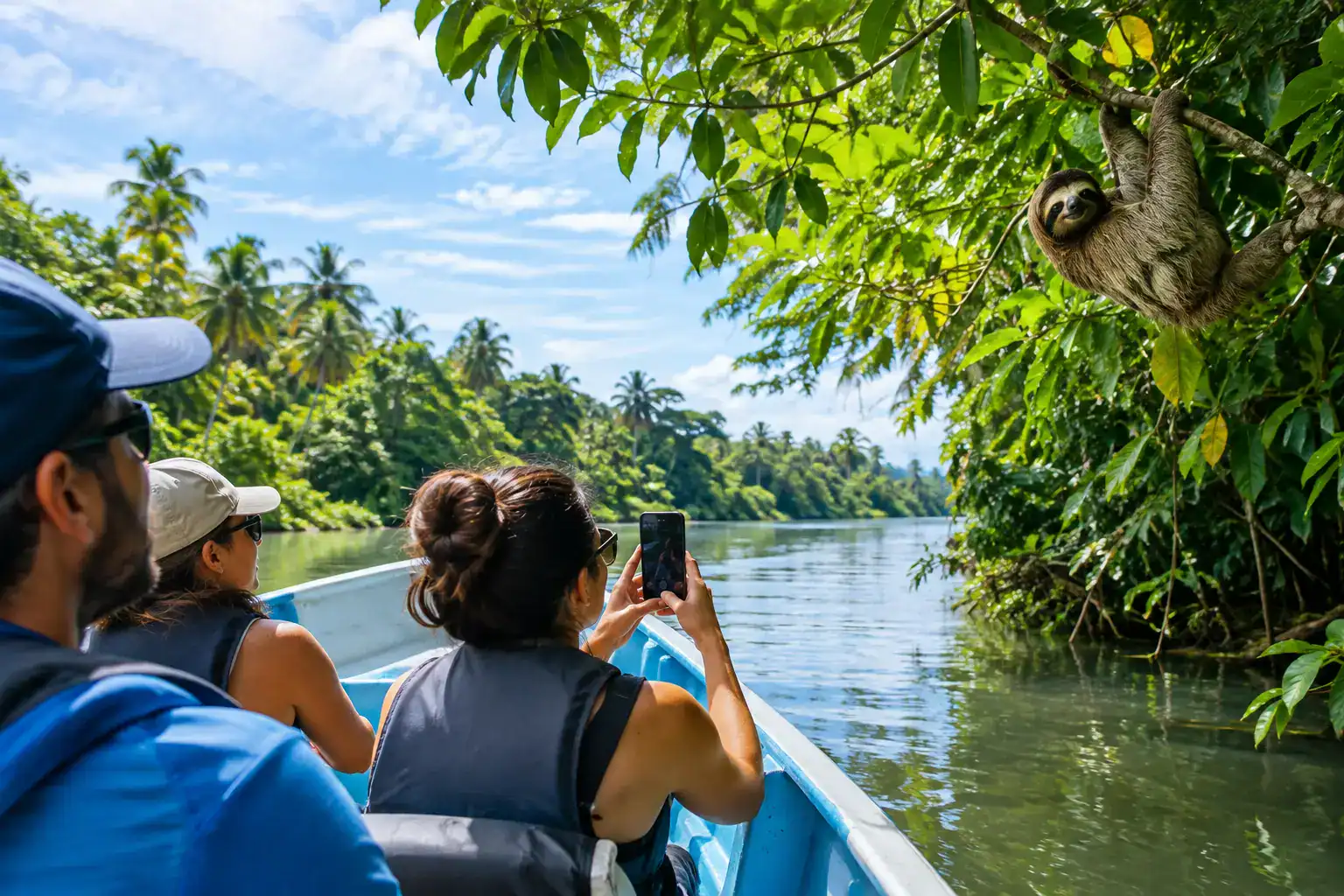
A cruise call in Limón can look short on an itinerary, but the province opens into rainforest, canals, Afro-Caribbean communities, and beaches within a manageable day trip. The best Puerto Limon shore excursions are not necessarily the ones that cover the greatest distance. They are the ones that match your ship’s schedule, your tolerance for travel time, and the kind of Costa Rican Caribbean coast you genuinely want to see.
Limón’s cruise port is in the city, while many of the region’s headline natural areas lie south or northwest of the terminal. That geography makes planning more consequential than it is in a walkable port town. A well-chosen excursion can offer a memorable introduction to the coast; an overambitious one can leave too little time for the experience itself.
Choosing Puerto Limon Shore Excursions by Interest
For most visitors, the decision comes down to wildlife, rainforest, beaches, culture, or a combination of two of these. Start with the fixed facts: the ship’s all-aboard time, actual time ashore after disembarkation, and whether your party includes young children, older travelers, or guests with limited mobility. Costa Rica’s Caribbean climate is humid and rain can arrive quickly, particularly in the rainforest. Build a little flexibility into the day.
Rainforest and aerial tram experiences
A rainforest visit is one of the most practical choices for a limited port day. The forest begins close to Limón, and established nature attractions in the area may combine forest trails, botanical interpretation, and aerial tram or canopy-style experiences. These outings suit travelers who want to understand the region’s ecology without committing most of the day to a long coastal drive.
An aerial tram is typically a calm, observational experience rather than an adrenaline activity. It can be a good choice for multigenerational groups, though accessibility varies by operator and route. Ask in advance about walking distances, steps, wheelchair arrangements, weight or age restrictions where applicable, and whether transportation is included from the port.
Wildlife may be seen, but it should never be promised. Sloths, monkeys, frogs, toucans, and other birds live in the region, yet rainforest animals move on their own schedule. A guide who explains tracks, plants, habitats, and conservation can make the outing rewarding even on a quiet wildlife day.
Cahuita National Park and the southern coast
Cahuita is a strong option for travelers drawn to coastal forest and a more relaxed Caribbean village atmosphere. South of Limón, the road follows the coast toward a national park known for trails where tropical forest meets the sea. Depending on traffic and the specific entrance or itinerary, allow substantial travel time from the cruise terminal.
The experience is best for visitors who are comfortable walking on uneven natural paths in heat and humidity. The main appeal is the setting: towering trees, shore views, birdlife, and the possibility of seeing monkeys, sloths, raccoons, iguanas, or other wildlife. Sightings vary, and feeding animals or approaching them closely is neither safe nor responsible.
Some excursions pair Cahuita with a beach stop or a short visit to the town. This can work well, but be realistic about the pace. Trying to add Cahuita, Puerto Viejo, multiple beaches, and a long lunch to one port day often turns a nature outing into a sequence of rushed photo stops.
Puerto Viejo and Caribbean beach time
Puerto Viejo de Talamanca has a distinctly different rhythm from Limón city, with small restaurants, beach roads, surf culture, and a strong Afro-Caribbean presence. It is farther south than Cahuita, so it is usually better for ships with a generous time in port or for travelers booking transportation with a conservative return plan.
A Puerto Viejo-focused day is less about checking off attractions and more about atmosphere. Choose it if you would rather have time for a beach, a local meal, and a walk through town than a packed nature itinerary. Beaches around this coast are beautiful but conditions can be variable. Waves, currents, and rain affect whether swimming is appropriate, and visitors should follow local guidance rather than assuming every beach is safe for all swimmers.
If your priority is simply sand and sea, ask whether the excursion provides enough unstructured time to enjoy it. A beach visit can feel disappointingly brief after a long drive if it is only a 20-minute stop between scheduled activities.
Tortuguero-style canal wildlife tours
Canal and river excursions appeal to travelers hoping for a quieter, water-level view of Caribbean lowland ecosystems. The wider Limón region is connected to waterways, wetlands, and rainforest habitats where guides may point out water birds, caimans, monkeys, and reptiles. Exact routes, dock locations, and travel times differ considerably, so the label “Tortuguero” deserves a closer look.
Tortuguero National Park itself is not a casual add-on from the Limón cruise terminal. Reaching it commonly involves a combination of road and boat logistics, and a true visit can consume most of a port day. If an excursion uses the name, confirm whether it visits the national park, a canal near the park, or another waterway in the province. None of those is automatically inferior, but they are different experiences.
Boat outings are often especially enjoyable for birders and photographers. Bring protection for camera gear, and do not expect a dry day just because the morning begins sunny.
Limón city, history, and local culture
Limón is more than a gateway to other places. Its history is closely tied to the railroad, banana trade, migration, and the enduring influence of Afro-Caribbean communities, particularly people of Jamaican heritage. A locally informed city or cultural tour can add valuable context that a beach-and-rainforest itinerary may miss.
This is a worthwhile choice for visitors interested in the stories behind the region rather than only its landscapes. The quality of interpretation matters. Look for guides who speak respectfully and specifically about local history, food traditions, music, religion, language, and contemporary life, without reducing Caribbean culture to a performance for visitors.
How to Book Without Creating Port-Day Stress
Cruise-line excursions offer the clearest protection against a late return to the ship, which can be reassuring for destinations with longer transfer times. Independent operators can provide smaller groups and more flexible itineraries, but they require more careful vetting. Neither option is automatically best.
When considering an independent tour, verify the meeting point, vehicle type, group size, language of the guide, cancellation terms, and the operator’s plan if traffic, heavy rain, or road disruption affects the itinerary. Most importantly, ask what time they intend to have you back at the port. A responsible provider will plan a meaningful buffer rather than scheduling arrival at the exact all-aboard time.
Avoid choosing solely by a low advertised price. Confirm what is included: transportation, entrance fees, lunch, water, equipment, and taxes can change the real cost. For private tours, clarify whether the quoted amount is per person or per vehicle.
A Practical Port-Day Plan
Aim to leave the terminal with sunscreen, insect repellent, a refillable water bottle, light rain protection, and shoes appropriate for the chosen activity. Closed-toe shoes are sensible for forest trails; sandals are more useful for a beach-focused day. Keep valuables modest and protected from rain.
Costa Rica uses the colón, though U.S. dollars are often accepted in visitor areas. Small denominations are more convenient, and a card may not be useful at every small vendor. Mobile coverage can vary outside populated areas, so save key booking details and contact information before leaving the port.
If you have a full day ashore, choose one primary landscape: rainforest, canals, or the southern beaches. Add a cultural stop or local lunch only if the route allows it comfortably. For a shorter call, a nearby rainforest or Limón-focused outing is usually more satisfying than a long journey south.
Responsible Choices on the Caribbean Coast
The coast’s appeal rests on ecosystems and communities that are easily disrupted by careless tourism. Keep a respectful distance from wildlife, stay on marked paths, and never buy products made from coral, shells, or protected species. Choose guides and businesses that employ local people, explain the landscape accurately, and avoid handling animals for photographs.
Beach and national park visits also benefit from simple habits: take all trash with you, use reef-conscious sun protection when entering the sea, and do not play loud music in wildlife areas. These choices are small, but they help preserve the character visitors have come to experience.
The most memorable Puerto Limon shore excursions leave room for the coast to be itself: warm, green, occasionally rain-soaked, culturally layered, and far more interesting than a hurried checklist can capture.