
Puerto Limon Cruise Ship Schedule and Port Tips
Check the Puerto Limon cruise ship schedule, understand port-day timing, and plan an independent, respectful visit to Costa Rica's Caribbean coast before your arrival.
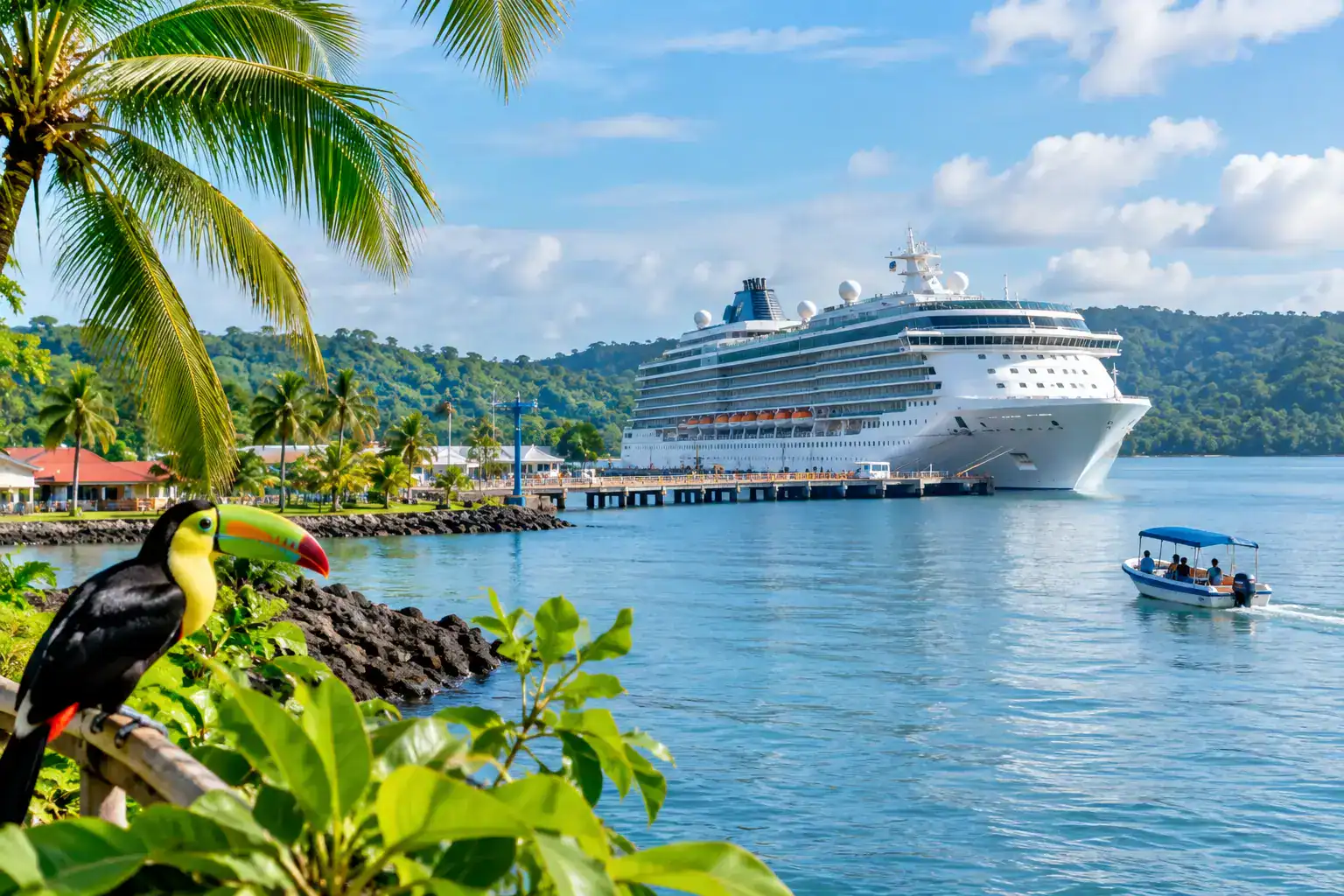
A Puerto Limon cruise ship schedule is more than a list of arrival and departure times. It determines how much of Costa Rica’s Caribbean coast you can realistically see, whether an independent outing makes sense, and how much time you should reserve for returning to the ship. In Puerto Limón, distances, tropical weather, port procedures, and road conditions all matter as much as the number printed beside your ship’s name.
Puerto Limón is a working Caribbean port and the gateway to a region shaped by rainforest, Afro-Caribbean heritage, cacao, bananas, protected beaches, and national parks. A well-planned port day can offer a meaningful introduction to the coast. A rushed one can turn into a long day in a vehicle. Start with the schedule, then choose an experience that fits it.
How to Read the Puerto Limon Cruise Ship Schedule
Cruise schedules usually show a vessel’s planned arrival and departure date, often with the time in port. Treat those times as a planning framework rather than an absolute guarantee. Itineraries can change because of sea conditions, operational decisions, port traffic, or weather. The final instructions from your cruise line and onboard daily program take priority over any advance listing.
Also check whether times are expressed in ship time or Costa Rica time. Costa Rica operates on Central Standard Time throughout the year and does not observe daylight saving time. Ships may retain the time zone used elsewhere on the itinerary, particularly during seasonal changes. That small detail can cause an avoidable and expensive mistake.
Your usable time ashore is shorter than the published port call. Guests disembark in stages, the walk through the port area can take time, and everyone must be back before the ship’s all-aboard deadline. That deadline is normally earlier than the scheduled sailing time. If you are arranging anything independently, use the all-aboard time, not departure time, as your non-negotiable return point.
Why arrival time is not your tour start time
A ship scheduled to arrive early in the morning may not begin releasing guests immediately. Clearance, gangway setup, and the ship’s own disembarkation process come first. Similarly, an afternoon departure does not mean you should plan to be at the terminal minutes beforehand.
For independent plans, allow a generous return buffer. On a short port call, choose an experience close to Limón or one with transportation designed around cruise timing. Longer calls offer more flexibility for Cahuita or the southern Caribbean, but even then, road delays and heavy rain deserve respect.
What to Do With Your Time Ashore
The best choice depends on your port hours, interests, mobility, and comfort with independent travel. Puerto Limón is not a port where checking off the farthest possible destination is always the wisest plan. The Caribbean coast rewards a slower pace.
For shorter calls: stay close to Limón
If your ship is in port for only a few hours, focus on the city and nearby coastline. Parque Vargas, near the waterfront, is a useful place to appreciate Limón’s central setting and the Caribbean atmosphere around the port. The city is also a natural starting point for learning about the province’s Afro-Caribbean communities, whose language, food, music, and traditions are central to the identity of this coast.
A short outing can also include a locally focused meal or a visit with a reputable guide who can add context beyond a quick drive-by tour. This is often a better use of limited time than attempting a distant beach and spending most of the day on the road.
For nature and beaches: choose one main destination
Cahuita National Park is among the region’s most appealing options for visitors who want a combination of coastal forest, beaches, and wildlife habitat. It is better suited to a port day with enough time for the drive, an unhurried walk, and a comfortable return. Conditions on trails and beaches can change with weather, tides, and maintenance, so avoid building a rigid itinerary around a single activity.
Puerto Viejo de Talamanca and the beaches farther south have a distinctly different rhythm, with surf culture, restaurants, and access to several well-known stretches of coast. They can be rewarding on a longer call, but the distance makes time management essential. Visitors who want to explore Puerto Viejo independently should be especially conservative with their return plan.
Wildlife-focused excursions may visit rainforest areas, waterways, or rescue and education centers. Choose operators that prioritize responsible viewing. For a locally organized outing that combines Caribbean nature with a stop at a tropical garden, travelers can also explore Maratopia Tours. Wildlife sightings are never guaranteed, and reputable guides will not promise a sloth, monkey, toucan, or other animal on demand. The forest sets its own schedule.
Planning an Independent Port Day
Independent exploration gives you flexibility, but it also puts timing responsibility on you. The most sensible approach is to keep the day simple: one primary destination, a clear transportation plan, and time set aside for an early return to the port area.
Before leaving the terminal, confirm the meeting point and pickup procedure with your driver or guide. Port access and passenger exit arrangements can differ by ship and berth. Use licensed transportation or established local providers, and make sure the person responsible for your return understands your all-aboard time.
Costa Rica’s Caribbean coast has a humid tropical climate. Rain can arrive quickly, including during months that are not considered the wettest. Pack a light rain layer, sun protection, drinking water, and footwear appropriate for wet pavement or natural trails. If you are visiting a beach, remember that the Caribbean can have strong currents. Follow local guidance and do not assume every attractive stretch of water is suitable for swimming.
A practical timing rule
For any independent excursion outside the immediate Limón area, aim to be heading back well before you feel you need to. This is particularly important if your route involves the coastal highway, a national park visit, or a stop at more than one attraction. A planned extra hour may feel cautious in the morning; it feels invaluable if rain, traffic, or a late departure changes the day.
Choosing Between a Ship Excursion and a Local Tour
Ship-sponsored excursions are generally the lower-risk choice for guests concerned about mobility, language, or returning on time. They are coordinated with the vessel’s schedule, though they may operate in larger groups and follow a fixed itinerary. For a first visit or a short call, that convenience can be worthwhile.
An independent local guide or small-group operator can offer more flexibility and a more personal introduction to the region. It may suit travelers who know exactly what they want to see, such as a focused nature outing, a cultural experience, or a visit to Cahuita. The trade-off is that you must vet the provider and manage your own return time.
Whichever option you choose, ask direct questions before booking: How long is the drive? Is the itinerary realistic for the ship’s hours? What happens if weather changes? Is lunch included, or is time reserved for it? Clear answers are a sign of a well-organized service.
Puerto Limon Cruise Ship Schedule FAQs
Where can I confirm my ship’s port hours?
Use your cruise line’s itinerary, onboard app, daily program, and announcements as the authoritative source. Public schedules can be useful for general planning, but they may not reflect last-minute changes.
Can I walk from the cruise port into downtown Limón?
Depending on the berth and port procedures, central Limón may be relatively close, but passengers should follow the designated exit route and current security instructions. Do not assume unrestricted pedestrian access through working port areas.
How early should I return to the ship?
Follow the all-aboard time provided by your cruise line. For independent travel, plan to arrive in the port area with a substantial buffer rather than targeting the deadline itself.
Is Puerto Limón suitable for families?
Yes, particularly when the day is planned around manageable travel times. Families often do best with one nature or beach-focused activity, frequent water breaks, and a return plan that does not depend on a tightly timed connection.
The most memorable Puerto Limón port days are rarely the ones packed with the most stops. Let your ship’s schedule set sensible limits, choose one part of the Caribbean coast to experience properly, and leave enough time to return with the day still feeling calm.