
Puerto Limon Cruise Port to Cahuita National Park
Plan your trip from Puerto Limon cruise port to Cahuita National Park with transport choices, timing, park access, wildlife etiquette, and shore-day tips.
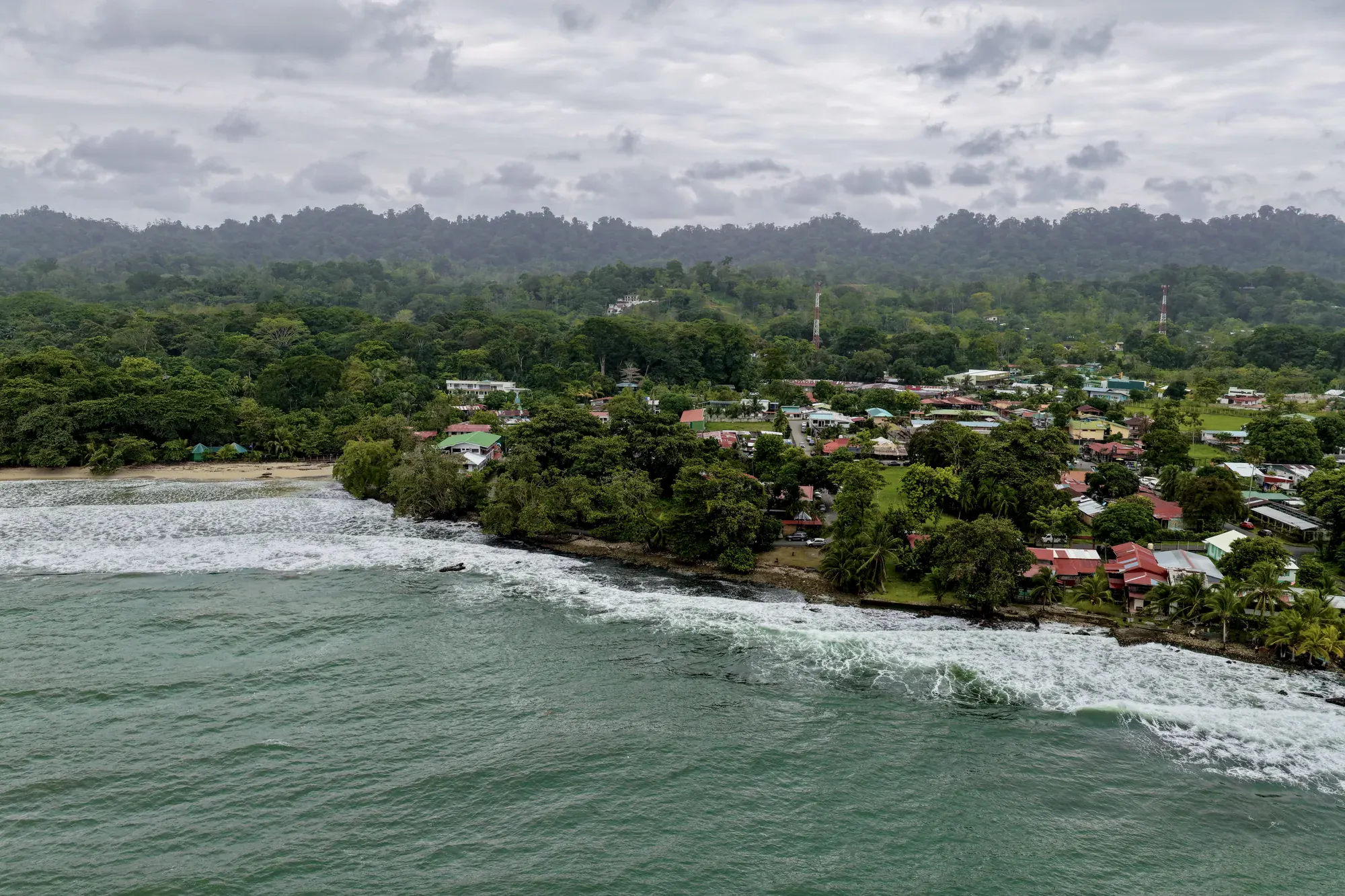
A visit from the Puerto Limon cruise port to Cahuita National Park can turn a port day into a close look at Costa Rica’s Caribbean coast: rainforest meeting a coral-fringed shoreline, with the small, relaxed town of Cahuita nearby. It is also a trip that needs sensible timing. The park is south of Limón, not beside the cruise terminal, and the quality of the day depends on choosing transport that leaves enough margin for your ship’s all-aboard time.
Cahuita is particularly well suited to travelers who want a nature-focused shore excursion rather than a long list of stops. Its coastal trail offers a realistic chance of seeing monkeys, iguanas, sloths, birds, and crabs, but wildlife is never scheduled. Go for the forest, beach scenery, and distinctive Caribbean setting first. Any sightings are a welcome addition.
Puerto Limon Cruise Port to Cahuita National Park: Distance and Timing
Cahuita lies roughly 27 miles (43 kilometers) south of central Limón by road. In favorable traffic, the drive commonly takes about 50 minutes to just over an hour. Cruise-day reality can be longer. Vehicle traffic around Limón, rain, road works, and the time required to meet a driver outside the port area can all affect the schedule.
For most visitors, allowing five to six hours from port departure to return is a prudent starting point for Cahuita alone. That usually permits the drive in both directions, a guided or independent walk, a short beach stop if conditions allow, and time for a meal in town. Travelers with a short port call should resist trying to combine Cahuita with Puerto Viejo, Manzanillo, or a distant waterfall. Costa Rica’s Caribbean coast rewards a slower plan.
Before leaving the ship, confirm the all-aboard time, not simply the published departure time. Cruise lines can require passengers to return well in advance. Keep the ship’s local contact instructions with you, and agree on a return time and meeting point with your driver before setting out.
Choosing the Right Way to Get There
A cruise-line shore excursion is the most straightforward option for guests who place a high value on ship-coordinated logistics. It generally includes transportation and a fixed itinerary, and the operator works to the ship’s schedule. The trade-off is less flexibility: groups may move at a set pace, and time in Cahuita village or on the trail can be limited.
An independent private driver or a locally based guided tour can offer more control over the day. This works well for families, couples, and small groups who want to choose between a shorter walk, a longer naturalist-led trail visit, or time for lunch after the park. Use an established provider, ask whether park access and a guide are included, and confirm that the vehicle will return to the cruise port with time to spare. A written confirmation of the itinerary is useful.
Taxis may be available near the port, but a casual one-way arrangement is rarely the best choice for a cruise visitor going as far as Cahuita. Mobile coverage, return availability, and timing become your responsibility. If using a taxi, negotiate a round-trip arrangement with a defined waiting period and return deadline before departure.
Public buses run along the Caribbean coast and are valuable for independent overland travelers with flexible schedules. They are not usually the right choice on a single cruise day. Stops, variable schedules, and the need to navigate between the terminal area and bus departure points make the journey less forgiving than organized transport.
Why a local guide can add value
The main trail through Cahuita National Park is relatively easy to follow in many sections, especially near the village entrance. Still, a qualified local naturalist can transform what might look like a wall of green into a habitat with stories. Guides know where to look for small creatures, how to identify calls, and why a tree, lagoon, or fallen branch matters to the ecosystem.
A guide also helps establish the right rhythm. Wildlife viewing is quieter and slower than sightseeing from a vehicle. If your group is interested in birds, reptiles, insects, or the park’s coastal ecology, specify that when booking rather than assuming every tour has the same focus.
Know the Two Main Park Access Areas
Cahuita National Park has two commonly used access areas: the Kelly Creek entrance near Cahuita village and the Puerto Vargas sector farther south. They create different cruise-day experiences.
Kelly Creek is convenient if you want to pair a park walk with time in Cahuita. From this side, visitors can follow the coastal trail through forest and alongside beaches before turning back when their available time requires it. The entrance has historically operated with a voluntary contribution model, but procedures can change. Bring small Costa Rican colones and verify current entry arrangements when you arrive.
Puerto Vargas is often a better choice for travelers arriving by vehicle who want facilities and a more controlled starting point. Admission rules and payment methods may differ from those at Kelly Creek. Your guide or driver should know which entrance best matches the day’s route, but it is sensible to confirm this in advance rather than lose time deciding at the gate.
The full coastal route between park sectors is a substantial walk, often described as about 5 miles (8 kilometers), depending on the exact route and turnaround points. It should not be treated as a quick stroll between photo stops. On a cruise call, a partial out-and-back walk is often the more relaxed and rewarding choice.
What You May See Along the Coastal Trail
Cahuita protects lowland rainforest, wetlands, beach vegetation, and offshore reef habitat. The trail’s appeal is the changing edge between dense vegetation and the Caribbean Sea. White-faced capuchin monkeys and howler monkeys are among the animals visitors may encounter, while sloths can be difficult to spot even when they are close overhead. Agoutis, raccoon-like coatis, basilisks, butterflies, and a wide range of birds add to the experience.
Keep expectations grounded. Animals move freely, weather matters, and a busy trail can reduce sightings. Early visits are often more comfortable and may be quieter, but cruise arrival schedules do not always make that possible. A patient guide, calm voices, and time spent looking carefully are more useful than rushing ahead.
Do not feed animals or approach them for photographs. Monkeys that associate people with food can become aggressive, and human snacks are harmful to wildlife. Keep bags closed, take all trash with you, and stay on designated paths. In this humid climate, bring drinking water, insect repellent, sunscreen, and rain protection, even if the morning begins bright.
Swimming, Weather, and Beach Expectations
The name Cahuita often brings images of calm Caribbean water, but sea conditions vary by season, tide, and recent weather. Some beaches near the park can be inviting, while currents and surf can be hazardous at other times. Swim only where conditions are clearly safe, follow posted guidance, and do not assume lifeguards are present.
Rain is part of the Caribbean coast’s character and can arrive quickly. A light rain jacket or poncho is usually more practical than carrying an umbrella on a forest trail. Shoes with grip are preferable to beach sandals, particularly after rain, although the main trail is not a technical hike.
If swimming is a priority, tell your driver or guide before the day begins. That allows the itinerary to include a suitable beach stop without creating a last-minute rush. If nature walking is the priority, keep beach time optional and let the park set the pace.
A Better Cruise-Day Itinerary
A well-planned visit begins with a direct drive from the port to Cahuita, ideally avoiding unnecessary shopping detours. Spend the central part of the day in or near the national park, then allow time for a simple lunch in Cahuita village if your ship schedule permits. Caribbean Costa Rican cooking reflects the region’s Afro-Caribbean heritage, and dishes may feature coconut, plantains, fresh seafood, and local spices. Choose a restaurant based on its current service pace, not just its location, and make your return time clear.
Build in a buffer for the drive back to Limón. This is the single most useful decision independent cruise visitors can make. A driver who suggests returning exactly at all-aboard time is not leaving enough room for traffic or an unexpected delay.
Cahuita is not best experienced as a race through the forest. Leave room to pause beneath the canopy, listen for howler monkeys, and notice how quickly the coast shifts from town to protected nature. That unhurried attention is often what travelers remember after the ship has left Limón behind.