
Puerto Limon: Costa Rica Caribbean Port Guide
Plan a visit to Puerto Limon, Costa Rica: port-day ideas, Afro-Caribbean history, nearby nature, transport, safety, and timing advice for travelers.
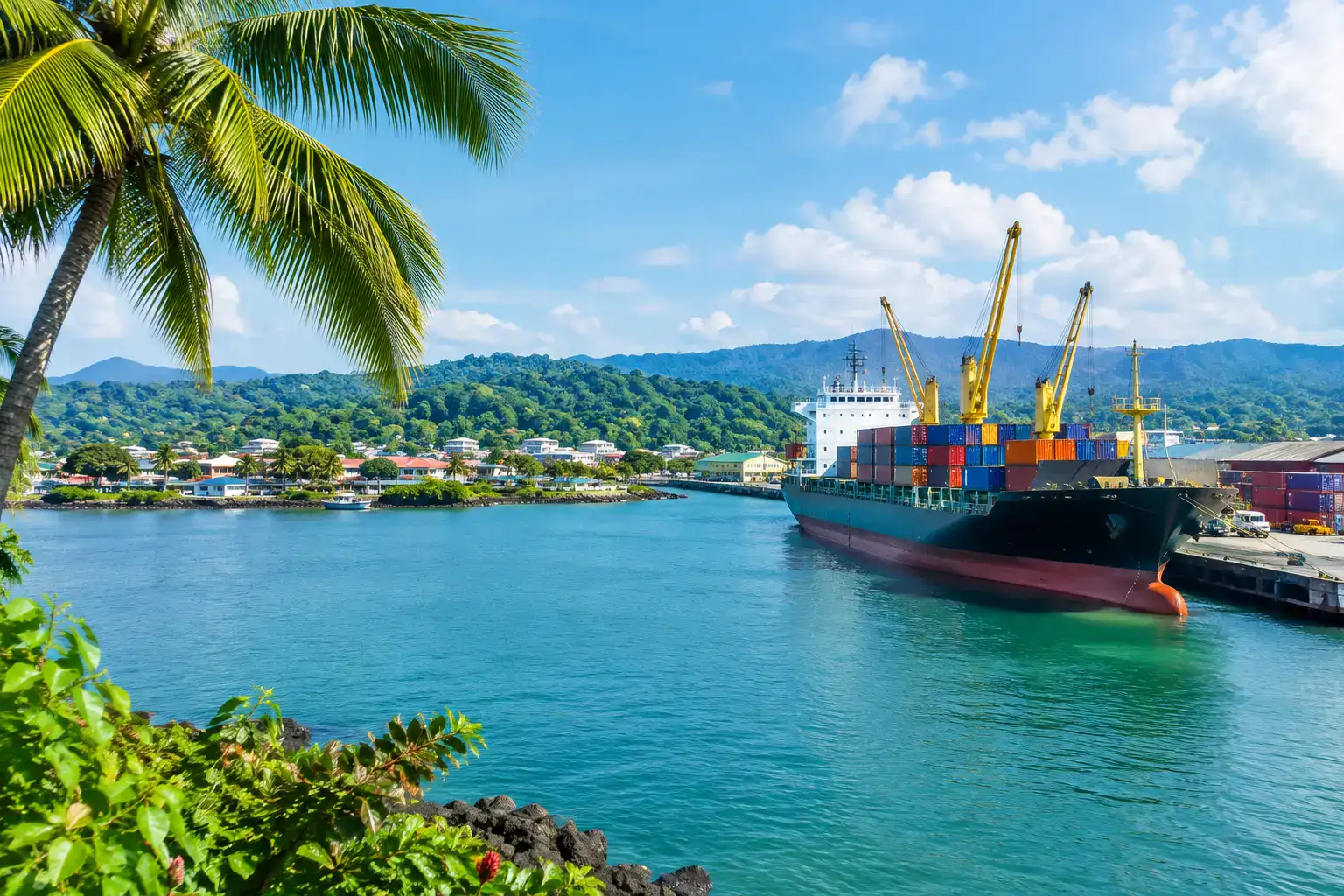
Puerto Limon, usually written Puerto Limón in Spanish, is more than the arrival point for Costa Rica’s Caribbean coast. It is a working port city shaped by bananas, railroads, migration, and a distinctly Afro-Caribbean cultural heritage. For travelers arriving by cruise ship or beginning an overland journey east from San José, it offers a useful introduction to a region that feels markedly different from the country’s Pacific destinations.
The city rewards visitors who approach it with realistic expectations. Puerto Limón is not a resort town built around a beach promenade. Its appeal lies in its history, street life, proximity to rainforest and wildlife, and position as a gateway to places such as Cahuita, Puerto Viejo de Talamanca, and the canals of Tortuguero.
Understanding Puerto Limon
Puerto Limón is the capital of Limón Province and one of Costa Rica’s principal Caribbean ports. Cargo ships, cruise vessels, local commerce, and daily city life all share the waterfront area, giving the city a more practical, urban character than many first-time visitors expect.
Its modern history is closely tied to the late 19th-century railroad built between the Central Valley and the Caribbean coast. Workers from Jamaica and other Caribbean islands played an essential role in that project and in the banana industry that followed. Their descendants helped shape the region’s English-based Creole traditions, music, food, language, and social life. This heritage remains central to understanding Limón, and should be treated as a living culture rather than a tourist theme.
Spanish is the primary language, while English and Costa Rican Creole English are also heard in the province. Visitors will find that a respectful greeting, patience, and a willingness to support locally owned businesses go a long way.
What to See in and Near the City
A short visit can begin around Vargas Park, the green waterfront park near the central area. Its large trees and ocean views make it a natural place to pause, although it is best enjoyed during daylight and with normal city awareness. Nearby streets reveal historic civic buildings and the everyday rhythm of a Caribbean provincial capital.
The waterfront is also where Puerto Limón’s function as a port is most visible. This is not a polished marina district, but that contrast is part of the place: cranes, ships, tropical vegetation, and the Caribbean Sea all occupy the same horizon.
For beach time, Playa Bonita lies north of the city and is among the closest coastal escapes. Conditions can change with weather and currents, so it is wise to assess the sea locally before swimming. It is better considered a scenic beach stop than a guaranteed all-day swimming beach.
Travelers with more time should look beyond the city itself. Cahuita National Park, south of Limón, combines rainforest trails with Caribbean shoreline and is one of the region’s most accessible nature destinations. Farther south, Puerto Viejo de Talamanca has a livelier beach-town atmosphere, with separate beaches and communities that each merit more than a quick stop. To the north, Tortuguero offers canals, dense vegetation, and a very different kind of Caribbean coast experience.
Nature is close, but wildlife is never scheduled
Limón Province contains extraordinary biodiversity, yet wildlife encounters should never be promised. Monkeys, sloths, toucans, frogs, and coastal birds may be seen in protected areas and forested landscapes, but sightings depend on season, weather, time of day, and simple luck.
Choose guides and operators who keep a respectful distance, do not feed animals, and avoid handling wildlife for photographs. The same principle applies to beaches and reefs: nature is most valuable when visitors leave it undisturbed.
Puerto Limon for Cruise Passengers
For cruise passengers, the key decision is whether to spend limited time in the city or use Puerto Limón as a departure point for a wider excursion. The answer depends on your ship’s hours in port, traffic conditions, interests, and comfort with independent travel.
A short port call is usually best used for one focused plan rather than an ambitious attempt to reach multiple distant destinations. A nearby cultural and city visit, a beach stop, or a guided nature outing can be realistic. Cahuita may be possible on a longer call, but travelers should leave a generous time buffer for the return journey. Puerto Viejo is farther away and can feel rushed if the ship’s schedule is tight.
Independent travelers should confirm the exact terminal procedures, meeting point, and all-aboard time before leaving the port area. Do not rely on an assumed walking route from the ship to town, as access arrangements can vary. If booking transportation independently, keep the driver’s contact information and agree clearly on the return plan.
Cruise visitors also have an opportunity to spend thoughtfully. Buying a meal, coffee, or locally made item from an established community business can have more local value than a hurried stop at a generic souvenir outlet. Avoid purchasing products made from coral, shells, feathers, or protected wildlife.
Getting Around and Planning Your Time
Puerto Limón is connected to San José by Route 32, the principal road across the mountains. The journey can be affected by rain, roadworks, heavy freight traffic, and occasional disruptions, especially during wetter months. Build flexibility into any plan involving airport connections, same-day cruises, or fixed reservations.
Within the city and across the coast, buses serve many local routes and are useful for travelers with time and basic Spanish. For families, visitors carrying luggage, or those on a short schedule, a private transfer or rental car may be more convenient. A rental car offers freedom for reaching beaches and national parks, but it also means navigating unfamiliar roads, parking carefully, and avoiding driving after dark where possible.
Limón’s Caribbean climate is warm and humid year-round. Rainfall patterns differ from Costa Rica’s Pacific side, and the Caribbean does not follow a simple dry-season formula. September and October are often relatively drier on this coast, but weather can vary significantly. Pack a light rain layer, sun protection, insect repellent, and footwear suitable for wet paths.
Safety and respectful travel
Puerto Limón deserves the same sensible precautions as any port city. Carry only what you need, keep phones and valuables out of sight when possible, use official or well-arranged transportation, and ask accommodation staff or trusted local businesses about areas to avoid after dark. On beaches, do not leave bags unattended while swimming.
Respect also means recognizing that residents are not part of the scenery. Ask before photographing people, dress appropriately away from the beach, and avoid treating Afro-Caribbean culture as a costume or backdrop. Travelers who are curious, considerate, and open to local recommendations generally gain a fuller understanding of the coast.
Where Puerto Limón Fits in a Caribbean Coast Itinerary
Puerto Limón works especially well as the first or last stop in a broader Caribbean coast itinerary. Stay in or near the city if you want access to its port history, nearby beaches, and onward transportation. Base yourself in Cahuita for national park access and a quieter coastal setting. Choose Puerto Viejo if your priorities include a broader restaurant scene, several beaches, and the southern Caribbean’s distinct communities.
It depends on what you want from the coast. A traveler focused on wildlife may prioritize Tortuguero and Cahuita. Someone interested in regional history and everyday culture should allow time for Limón itself rather than passing through immediately. Families may prefer fewer hotel changes and shorter travel days, while independent travelers with a rental car can connect several destinations more easily.
Frequently Asked Questions
Is Puerto Limon worth visiting?
Yes, particularly for travelers interested in Costa Rica’s Caribbean history, Afro-Caribbean culture, port-city character, and access to nearby natural areas. It is less suited to visitors expecting a self-contained beach resort destination.
How long should I spend in Puerto Limón?
One night can be enough for a city introduction or as a transport stop, while two or more nights allow time for nearby beaches and day trips. Cruise passengers should plan around their ship’s timetable and keep return logistics conservative.
Is Puerto Limón the same as Puerto Viejo?
No. Puerto Limón is the provincial capital and major port city. Puerto Viejo de Talamanca is a separate coastal town farther south, known for its beaches, dining, and access to the southern Caribbean.
Puerto Limón makes the most sense when seen as the coast’s threshold: a place where Costa Rica’s Caribbean story becomes visible before the road continues toward rainforest, reefs, beaches, and small coastal communities.