
Manzanillo Wildlife Refuge Hiking: What to Know
Plan Manzanillo wildlife refuge hiking with trail advice, wildlife etiquette, weather notes, access tips, and safety guidance for Costa Rica's Caribbean coast.
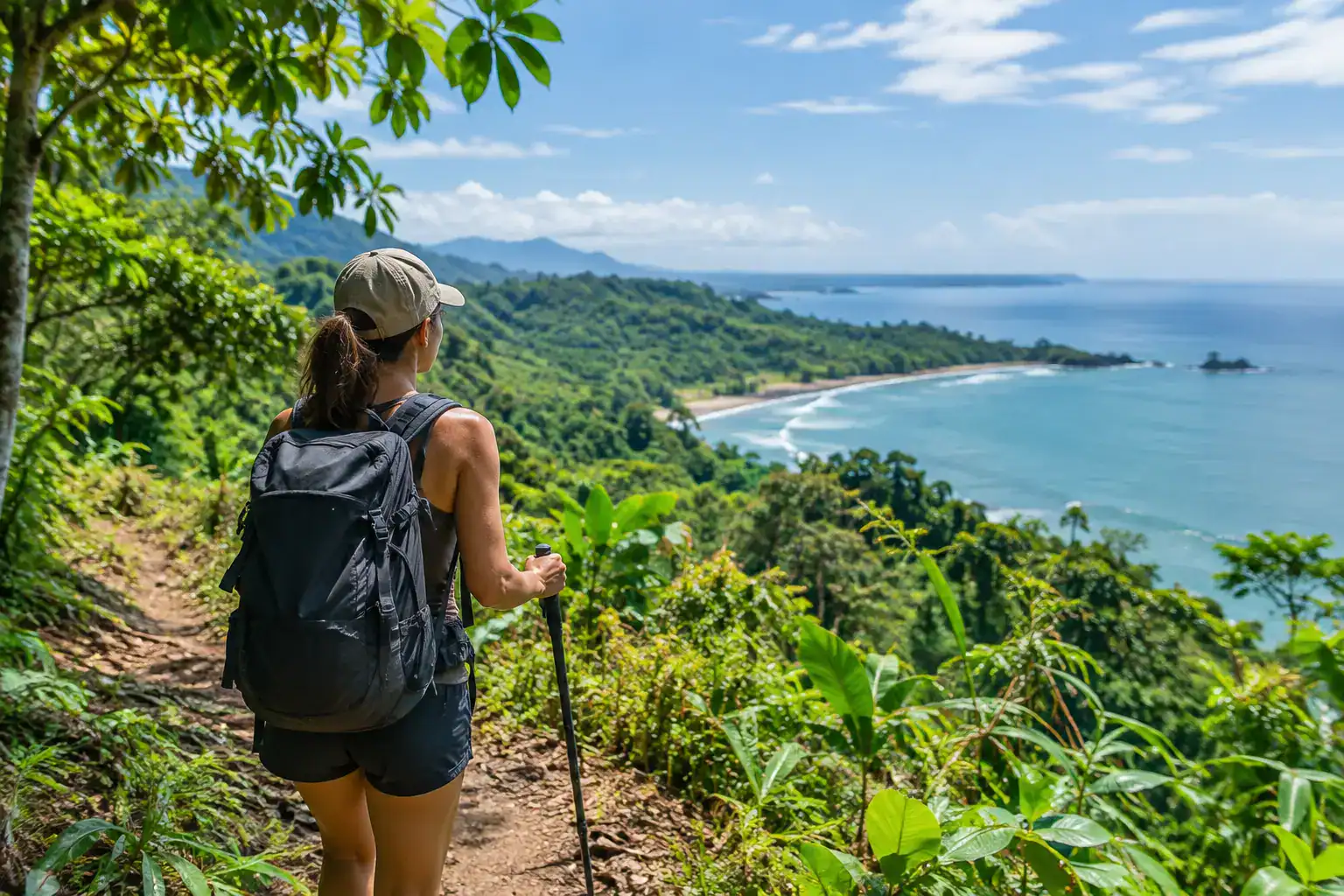
The coastline south of Manzanillo is not a place for rushing from viewpoint to viewpoint. On a good day, Manzanillo wildlife refuge hiking means moving at rainforest pace: watching roots underfoot, listening for monkeys in the canopy, and noticing how quickly a quiet beach becomes dense forest. The Gandoca-Manzanillo National Wildlife Refuge protects one of Costa Rica’s most varied Caribbean landscapes, where lowland rainforest, wetlands, beaches, coral reef, and coastal vegetation meet near the Panamanian border.
For travelers based in Puerto Viejo or Manzanillo, the refuge offers a rewarding alternative to a day centered only on the beach. It also asks for more preparation than a typical beach walk. Heat, mud, changing tides, insects, and limited services are part of the experience.
Where Manzanillo Wildlife Refuge Hiking Begins
Manzanillo is about 12 miles south of Puerto Viejo de Talamanca by road. The village is the most practical starting point for visitors interested in the refuge’s northern coastal sector. From the southern end of town, paths and beach sections lead toward forested shoreline and more remote areas in the direction of Punta Mona.
The route is often described simply as a coastal hike, but conditions change considerably along the way. Some stretches follow firm sand or open coastline; others enter humid forest, cross muddy ground, or involve rocks and exposed roots. Rain can make the trail slower than it appears on a map. High water, wave conditions, and seasonal erosion can also affect beach passages.
Before setting out, confirm current access conditions locally. Management arrangements, entrance procedures, and usable trail sections can change, particularly after heavy rain. Do not assume that every informal path, beach continuation, or marked-looking track provides unrestricted public passage all the way south.
Choose a distance that fits the day
Many visitors are happiest with a shorter out-and-back walk from Manzanillo rather than treating the route as an endurance objective. A few unhurried hours can be enough to experience the forest edge, look for wildlife, and return before the strongest afternoon rain or fading light.
Longer excursions require more judgment. If you are unfamiliar with the terrain, traveling with children, carrying camera equipment, or visiting during a wet spell, a local naturalist guide adds real value. Guides can interpret the forest while helping guests read trail conditions and avoid turning a pleasant hike into a difficult return journey.
What You May See on the Trail
The refuge is rich in wildlife, but sightings are never a schedule. The best approach is to walk quietly, look up regularly, and allow time for stillness. Howler monkeys may be heard before they are seen, while white-faced capuchins sometimes move quickly through the canopy. Sloths can be remarkably difficult to spot until someone notices a shape high in a cecropia tree.
Birdlife is another reason to slow down. Keep an eye out for toucans, parrots, herons near wetter areas, and smaller forest birds that are easier to hear than identify. Green iguanas, basilisks, frogs, butterflies, and a wide range of insects add detail to the trail, especially after rain.
Snakes are part of a healthy tropical ecosystem, although most hikers will not see one. Stay on established routes, watch where you place hands and feet, and never reach into vegetation, hollow logs, or gaps between roots. The same care applies at river mouths and quiet water, where reptiles may be present.
Wildlife viewing is better when it is respectful. Keep a generous distance, never feed animals, and do not play calls or use flash photography to provoke a reaction. Monkeys that are fed can become aggressive and dependent, while close approaches can disturb nesting birds and resting animals.
Prepare for a Caribbean Coast Trail
This is not a mountain hike, but it is a tropical one. The right footwear matters more than technical gear. Closed-toe trail shoes with grip are usually the sensible choice, particularly when rain has made roots and clay slick. Sandals can be comfortable around Manzanillo village, yet they offer little protection on uneven forest sections.
Bring drinking water, a rain layer, reef-safe sunscreen, insect repellent, and a fully charged phone stored in a dry bag. Pack snacks if you expect to be away from town for several hours, and carry out every piece of trash. There are no services once you move beyond the village area.
A small first-aid kit is worthwhile for blisters, scrapes, and insect bites. Wear lightweight long sleeves or pants if mosquitoes are a concern, but balance coverage with the Caribbean heat and humidity. A hat is useful on exposed beach sections, where the sun can feel intense even under a cloudy sky.
Timing, rain, and tides
Start early whenever possible. Morning often brings cooler temperatures, quieter trails, and more wildlife activity. It also gives you a margin if the return takes longer than expected. Avoid beginning a longer coastal walk late in the afternoon, when rain, reduced visibility, and tiredness can make route decisions less straightforward.
Costa Rica’s Caribbean coast has its own weather pattern. It can rain in any month, and travelers should not rely on the Pacific Coast’s dry-season calendar when planning this area. September and October are often relatively drier around Puerto Viejo and Manzanillo, but conditions vary from year to year.
Tides deserve attention when a route uses beach or rocky shoreline. Low tide can reveal easier stretches of sand, while rising water may narrow the available passage. Ocean conditions can change quickly, so do not attempt to force a route around headlands, river mouths, or wave-washed rocks. Turn back if the shoreline no longer feels comfortable or safe.
Getting There From Puerto Viejo and Puerto Limón
From Puerto Viejo, Manzanillo is reachable by rental car, taxi, bicycle, or local transportation, depending on schedules and your comfort level. A bicycle can be enjoyable on the coastal road in good weather, though it becomes less appealing after dark or in heavy rain. If you drive, secure valuables out of sight and avoid leaving bags in an unattended vehicle.
Visitors arriving through Puerto Limón should plan more carefully. Manzanillo is a substantial distance from the port area, and the round trip requires most of a day once road travel, the hike, meals, and a realistic return buffer are included. Cruise passengers with limited time may prefer a shorter nature experience closer to their ship or book transportation that allows a conservative return schedule.
Manzanillo itself has a quieter rhythm than Puerto Viejo. It is worth arriving with enough time to enjoy the village, have a meal, and speak with local residents or businesses about current conditions rather than treating the refuge as a quick stop between beaches.
Hike With Respect for the Refuge and Community
Gandoca-Manzanillo is a protected landscape and a living coastal region, not a wilderness set apart from local life. Families, small businesses, farmers, fishers, conservation workers, and visitors all share this narrow edge between forest and sea. Responsible hiking helps preserve the experience that brings travelers here in the first place.
Stay on recognized paths where possible, keep noise low, and avoid taking shells, plants, or other natural materials. Do not light fires or camp without explicit authorization. Drones may disturb wildlife and raise privacy concerns, so visitors should check current rules before using them.
Swimming is best approached separately from hiking. Beaches around Manzanillo can be beautiful, but currents, waves, and changing sea conditions require caution. Never assume a quiet-looking Caribbean beach has lifeguards or safe conditions for every swimmer, especially near river mouths.
Is a guide necessary?
A guide is not essential for every short walk near Manzanillo, especially for confident travelers who remain on straightforward, well-used sections and check conditions first. For a longer route, a wildlife-focused outing, or anyone uneasy with navigation in wet tropical forest, a guide is a sensible investment.
The trade-off is simple: independent hiking offers flexibility and quiet, while guided hiking provides context, current local knowledge, and a better chance of noticing the small animals and plants that many visitors walk past. Choose operators and guides who respect protected-area rules, avoid wildlife handling, and communicate clearly about weather and route limits.
The most memorable moments here are often modest: a flash of color in the understory, the distant rumble of howler monkeys, or rain beginning to tap the broad leaves overhead. Leave enough room in the day for those moments, and let the refuge set the pace.