
Is Costa Rica Caribbean Coast Safe for Travelers?
Is Costa Rica Caribbean coast safe? Practical guidance on crime, roads, beaches, health, and smart travel from Puerto Limón to Manzanillo with confidence.
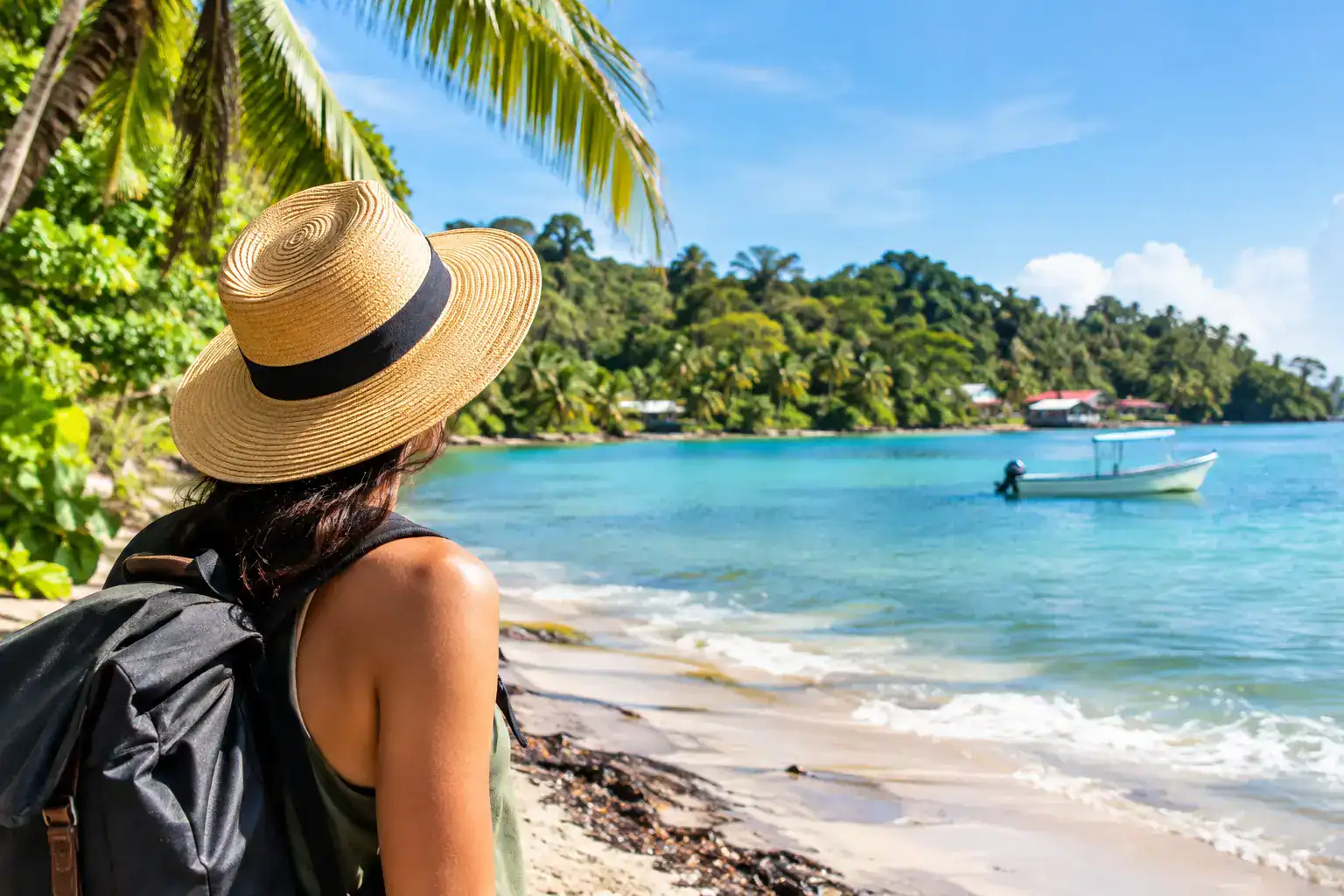
Puerto Limón’s waterfront, Cahuita’s reef-fringed shoreline, and the beaches around Puerto Viejo reward travelers who slow down and pay attention to their surroundings. So, is Costa Rica Caribbean coast safe? For most visitors, yes: it is a welcoming and manageable region to explore when you use the same sensible habits you would in any tropical destination, especially around valuables, swimming conditions, transportation, and late-night travel.
The Caribbean coast is not one uniform place. Puerto Limón is a working port city with a busy urban character, while Cahuita, Puerto Viejo, Cocles, Punta Uva, and Manzanillo are smaller beach and nature destinations with different rhythms and practical considerations. Understanding those differences is more useful than treating the entire coast as either completely risk-free or dangerous.
Is Costa Rica Caribbean Coast Safe? The Realistic Answer
Costa Rica has a long-standing reputation as one of Central America’s more accessible destinations for independent travelers. The Caribbean coast is widely visited by families, couples, surfers, nature lovers, backpackers, and cruise passengers. Serious incidents affecting visitors are not the everyday experience, but opportunistic theft does happen, as it does in popular beach areas worldwide.
The most common problems are preventable: an unattended phone on the beach, a backpack left in a rental car, a bag placed loosely in a bicycle basket, or a visitor walking alone on an isolated road after dark. Travelers who keep belongings close, choose established transportation, and make conservative decisions at night generally find the region relaxed and enjoyable.
It also helps to avoid broad assumptions about local communities. The Caribbean coast is home to Afro-Caribbean, Indigenous, Costa Rican, and international residents, and its cultural identity is one of the region’s defining strengths. Courtesy, basic Spanish, patience, and support for locally owned businesses go a long way toward a positive visit.
Safety by Destination Along the Caribbean Coast
Puerto Limón
Puerto Limón is Costa Rica’s principal Caribbean port and an important stop for cruise ships. During the day, visitors can explore central areas, markets, cultural sites, and nearby attractions with normal city awareness. Keep cameras, phones, jewelry, and cash discreet, particularly around crowded transport points and less busy streets.
For independent visitors, it is wiser not to wander unfamiliar areas after dark. Arrange a taxi through your hotel, restaurant, or a reputable local provider rather than accepting an unverified ride on the street. Cruise passengers should also allow ample time to return to the terminal, especially when traveling beyond the city.
Cahuita
Cahuita is generally quieter and more village-oriented than Puerto Limón. Its national park, beaches, and compact center make it appealing for travelers who prefer to walk. Still, do not leave bags, wallets, or electronics unattended while swimming or on a restaurant table near the street.
Cahuita National Park includes coastal trails and beaches where weather and sea conditions can change. Hike with water, insect repellent, and a charged phone, and begin early enough to avoid being caught on a trail near closing time or after heavy rain.
Puerto Viejo, Cocles, Punta Uva, and Manzanillo
This stretch of coast is known for beaches, surf, rainforest, restaurants, and a lively international atmosphere. It is often perceived as casual, but that should not mean careless. Theft from parked cars and unattended beach items is a recurring concern, particularly at isolated beach access points.
Puerto Viejo has more evening activity than nearby villages. Enjoy its restaurants and music venues, but avoid walking alone late at night on dark stretches between towns, including parts of the road toward Cocles, Punta Uva, and Manzanillo. A bicycle is practical in daylight, but after dark it requires lights, reflective clothing, and particular caution because roads can be narrow and poorly illuminated.
Beach and Water Safety Matter More Than Many Visitors Expect
For many travelers, the greatest immediate risk on the Caribbean coast is not crime. It is the sea. Beautiful beaches can have strong currents, changing surf, sudden drop-offs, and limited lifeguard coverage. Conditions vary by beach, season, tide, and recent weather, so yesterday’s calm water is not a guarantee for today.
Before entering the water, look for posted warnings and ask a local hotel host, guide, or beach business about conditions that day. If waves are powerful, the water looks turbulent, or locals are staying out, choose another activity. Never assume a sheltered-looking cove is safe for inexperienced swimmers or children.
Do not swim alone, after drinking alcohol, or near river mouths following heavy rainfall. Rivers can create stronger currents and may carry runoff into the sea. Keep children within arm’s reach in moving water, and avoid leaving them to play near waves without active supervision.
If you are caught in a current, do not try to overpower it by swimming directly toward shore. Stay as calm as possible, signal for help, and swim parallel to the beach if you can do so safely. This is one reason to select beaches with other people nearby rather than choosing complete isolation.
Protecting Valuables Without Losing the Relaxed Beach Feeling
Bring only what you need for the day. Carry a copy of your passport rather than the original when practical, keep backup payment cards separate, and use your accommodation safe where available. A crossbody bag worn in front is usually more secure than an open tote or an item left under a café chair.
Rental cars deserve extra care. Do not leave luggage, passports, electronics, or shopping bags visible inside, even for a short stop. A trunk is not a perfect solution if someone sees you transfer valuables there after parking. The safest approach is to take valuables with you or leave them securely at your accommodation before heading to the beach.
At beaches, take turns swimming if you are traveling with companions. A small waterproof pouch can be useful for essentials, though it should not create false confidence about bringing expensive devices into the water.
Road, Bicycle, and Transportation Safety
Driving gives visitors flexibility, but Caribbean roads demand patience. Outside main routes, expect potholes, uneven shoulders, pedestrians, cyclists, motorcycles, animals, and heavy rain. Travel more slowly than a navigation app may suggest, and avoid driving after dark when possible.
The coastal route south of Puerto Viejo is especially popular with cyclists and scooter riders. It is scenic but not designed like a protected bike path. Wear a helmet, use lights, and remember that tropical rain can make surfaces slick quickly. Travelers unfamiliar with motorcycles may be better served by taxis, shuttles, or organized transfers rather than renting a scooter for the first time on vacation.
Use licensed or accommodation-arranged transportation, particularly after an evening out or when arriving with luggage. If you use public buses, keep daypacks in sight and valuables on your person. For longer trips, confirm the departure point and schedule locally because services can change around holidays, weather, or road conditions.
Health, Weather, and Nature Precautions
Mosquito-borne illnesses, including dengue, occur in Costa Rica. Use repellent, especially near dawn and dusk, wear light long sleeves when conditions allow, and choose accommodation with effective window screens or other mosquito protection. Seek medical advice promptly for fever or significant flu-like symptoms during or after your trip rather than trying to self-diagnose.
The Caribbean coast is humid, and rain can be intense. Carry water, sunscreen, a light rain layer, and dry protection for electronics. Heat exhaustion can affect visitors who spend hours at the beach or on a wildlife walk without drinking enough water.
Wildlife deserves distance, not handling. Monkeys, sloths, snakes, frogs, raccoons, and coatis may be fascinating to watch, but feeding animals changes their behavior and can create risks for both people and wildlife. In forested areas, stay on marked paths, wear closed shoes for hikes, and follow the guidance of park staff and qualified local guides.
Practical Habits That Make a Meaningful Difference
A safe trip is usually built from small decisions rather than constant worry. Let someone know your plan when heading to a remote beach, download offline maps before leaving reliable Wi-Fi, and keep emergency contacts accessible. Costa Rica’s emergency number is 911, and visitors should also save the contact details of their accommodation and travel insurer.
Be selective about where you withdraw cash and avoid displaying a large amount of money. Check official weather and local advisories before boat trips, hikes, or long drives during periods of heavy rain. If a local business owner or park ranger advises against a particular beach, route, or activity that day, treat that as useful local knowledge rather than an inconvenience.
Is the Caribbean coast suitable for families?
Yes, especially for families that choose accommodations with secure storage, plan transport in advance, and select swimming areas carefully. Cahuita and the Puerto Viejo area offer many family-friendly experiences, but children need close supervision in the ocean and on roads shared with bicycles, cars, and scooters.
Is it safe to walk at night?
In busy, well-lit parts of Puerto Viejo or Cahuita, short walks may feel comfortable early in the evening. Conditions change quickly outside town centers, however. Avoid isolated beaches, unlit roads, and long walks between communities after dark. Arrange transportation instead.
Do solo travelers need to take extra precautions?
Solo travelers can comfortably visit the Caribbean coast, but should be more deliberate about arrival times, nighttime transportation, and beach security. Staying in a well-reviewed accommodation, joining guided activities for remote areas, and sharing daily plans with someone are practical safeguards.
The Caribbean coast is best experienced with curiosity and good judgment: listen to the people who know each beach and road, keep your plans flexible when weather changes, and leave room for the region’s slower pace to guide the day.