
Plan a Bribri Indigenous Tour in Costa Rica
Plan a respectful Bribri indigenous tour Costa Rica experience with practical advice on community-led visits, travel timing, cultural etiquette, and booking.
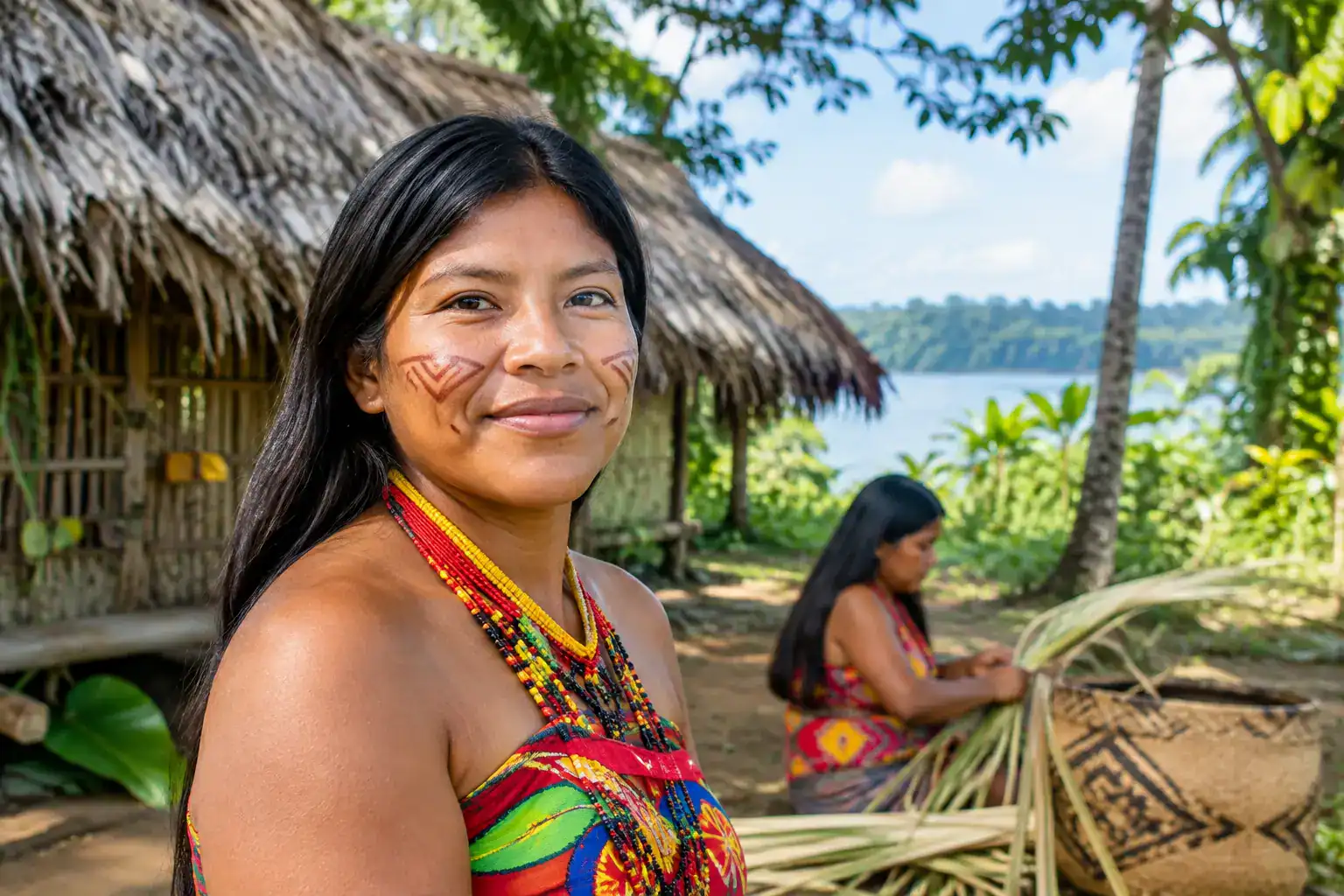
A Bribri indigenous tour Costa Rica travelers choose well can offer more than a chocolate demonstration or a stop between beaches. It is an invitation into living communities of Talamanca, where cultural knowledge, language, farming traditions, and relationships with the rainforest remain central to everyday life. The quality of the visit depends less on a polished itinerary than on who leads it, how benefits stay in the community, and how thoughtfully visitors arrive.
For travelers based in Puerto Viejo, Cahuita, or other parts of Costa Rica’s southern Caribbean coast, a community-led Bribri visit can add vital context to a region often defined only by surf, wildlife, and beaches. It should never be approached as a cultural attraction to consume. The most rewarding experiences leave room for conversation, follow the host community’s pace, and recognize that Indigenous culture is contemporary, diverse, and not performed for visitors.
What a Bribri Indigenous tour can include
The Bribri are one of Costa Rica’s Indigenous peoples, with communities and territories concentrated in the Talamanca region of the country’s southeast. Experiences vary widely by location, family, season, and community organization. A responsible tour may center on cacao, traditional food, medicinal plants, farming, river travel, or a guided walk through the surrounding landscape.
Cacao is often a meaningful part of a visit, but it deserves more context than a quick tasting. Hosts may explain how cacao is grown, harvested, fermented, dried, roasted, and prepared, as well as its place in Bribri culture. The process is labor-intensive and tied to small-scale agriculture, forest gardens, and household knowledge. Visitors should see it as an opportunity to learn from the people sharing that knowledge, not as a guarantee of a fixed show.
Some tours also introduce plants used for food, building, dyes, or traditional remedies. Guides may discuss the importance of forest stewardship and the ways agricultural plots, fruit trees, and native vegetation coexist. It is sensible to listen closely, but not to treat medicinal information as medical advice or collect plants without explicit permission.
In more remote areas, the journey itself may be part of the day. River transport, unpaved roads, and changing weather can shape the schedule. That is particularly true in communities near the Panama border, where access can depend on water levels and local conditions. A flexible attitude is more useful than expecting an urban-style timetable.
Where Bribri experiences take place
The word Bribri can refer to both the people and a town that serves as a gateway to parts of Talamanca. Those distinctions matter when planning. Not every experience advertised near Bribri town takes place within an Indigenous territory, and not every community visit starts there.
Many visitors begin from Puerto Viejo de Talamanca, Cahuita, or the broader southern Caribbean area. Some experiences are reachable by road, while others require a combination of road travel and a boat transfer. Ask the organizer where the visit is based, who will guide you, where the meeting point is, and whether transportation is included. This avoids assuming that two tours described with similar language offer the same experience.
For travelers arriving on a cruise ship in Puerto Limón, timing deserves special attention. Talamanca is a substantial distance from the port, and traffic, weather, and road conditions can affect a day’s schedule. A community visit may be possible only with a carefully planned private itinerary and enough time ashore. If your ship’s return deadline is tight, a closer cultural or nature-focused experience may be the more responsible choice.
How to choose a respectful Bribri community visit
The most useful question is simple: who owns, leads, and benefits from the experience? Look for visits guided by Bribri community members, families, associations, or enterprises with a clear relationship to the community. A local transportation provider can be helpful, but cultural interpretation should not be outsourced to someone with no connection to the place.
Before booking, ask a few direct questions. Is the guide Bribri or formally invited by the host community? How is the fee shared? Is the group size limited? What activities are genuinely part of the visit, and what may change because of weather, farming work, or community needs? Clear answers are a good sign.
It also helps to avoid tours that promise access to sacred practices, private ceremonies, or supposedly secret knowledge. Communities have the right to determine what is shared publicly. A respectful visit does not demand more intimate access in exchange for a ticket.
Small groups are usually preferable, especially in family homes and working farms. They make conversation easier, reduce pressure on hosts, and lessen the chance that a visit feels like a procession of strangers. If you are traveling with children, confirm the walking distance, boat requirements, bathroom facilities, meal arrangements, and whether the day is suitable for their ages.
Practical planning from Costa Rica’s Caribbean coast
Most tours require advance arrangements, particularly those involving transport into rural communities or river crossings. Book early during busy travel periods, but remember that confirmation should include more than a date and price. Request practical details about pickup, duration, what to bring, meals, weather contingencies, and the payment method.
Lightweight rain protection, closed-toe shoes with grip, insect repellent, drinking water, and sun protection are sensible for most visits. Conditions can be muddy even when the coast is sunny. Wear clothing that is comfortable and modest for a home or community setting rather than beachwear.
Spanish is widely useful, although some hosts may speak Bribri as their first language and may work with a translator or multilingual guide. Do not assume English will be available throughout the experience. A few courteous Spanish phrases, patience, and genuine interest go a long way.
Food can be one of the most memorable parts of a community visit, but dietary needs should be communicated beforehand. Do not assume vegetarian, vegan, gluten-free, or allergy-safe options are available in every rural location. Hosts may be able to accommodate requests with notice, but it depends on local ingredients and kitchen arrangements.
Cultural etiquette that makes a difference
Photography is the area where good intentions most often need a pause. Always ask before photographing people, homes, children, workspaces, gardens, or ceremonial objects. A guide’s general permission does not automatically apply to every person you meet. If someone declines, accept the answer without debate.
Avoid framing residents as examples of an unchanging past. Bribri people use phones, travel, study, run businesses, raise families, and make decisions about tourism in the present. Questions about language, farming, food, and local history are usually more respectful than assumptions about how Indigenous people should live.
Purchasing crafts, cacao, or food directly from the people who made or prepared them can be a welcome way to support the visit, provided there is no pressure to buy. Bring cash if advised in advance, since rural payment options can be limited. As with any purchase, ask about the item’s origin rather than assuming every souvenir at a roadside stop was locally made.
What responsible tourism means here
Responsible travel in Talamanca is not only about bringing a refillable bottle or staying on a trail. It means respecting community authority over land, stories, images, and visitor access. It also means accepting that a tour might be adjusted, shortened, or rescheduled for rain, river conditions, family responsibilities, or community events.
The trade-off is clear. A highly standardized program can feel easier to plan, while a community-led experience may have more variables. Yet those variables are often evidence that the visit fits real life rather than forcing local people into a rigid tourist schedule. Travelers who can allow some flexibility are more likely to have an experience grounded in mutual respect.
Is a Bribri tour appropriate for first-time visitors to Costa Rica?
Yes, especially for travelers who want cultural context alongside nature and beach time. Choose a tour with confirmed transportation and clear guidance on physical requirements. Independent travelers can often arrange visits from the southern Caribbean, while those with limited Spanish may prefer an organizer that provides translation.
How long does a Bribri Indigenous tour take?
Experiences range from a few hours to a full day, and some remote community stays are longer. Travel time can be a major part of the plan, so ask for the total door-to-door duration rather than only the activity time.
Can visitors take photos during a Bribri community visit?
Sometimes, but only with permission from the people and community involved. Ask each time the setting changes, especially in homes, gardens, and around children. When in doubt, put the camera away and be present.
A well-chosen Bribri visit is not a box to check on a Caribbean coast itinerary. Arrive prepared, listen more than you speak, and let the people who welcome you define what the day can teach.